A Guide to Exploring and Embracing Japanese Tradition
Japanese culture harmonises beauty, symbolism, and functionality. In this collection, we have gathered objects that are as beautiful as they are steeped in meaning and tradition. Each piece brings us closer to a different facet of Japan: its aesthetic, its life philosophy, and its daily rituals—from silent contemplation to the celebration of new intentions.
Here, you will find elements to enrich your meditation space, your home, or your personal rituals, inviting you to integrate a spirit of mindfulness, beauty, and conscious practice.
Symbols and practices that tell a story
- Japanese Calligraphy: This art form embodies the harmony between mind, arm, and brush—a form of moving meditation that conveys profound meaning and inner calm.
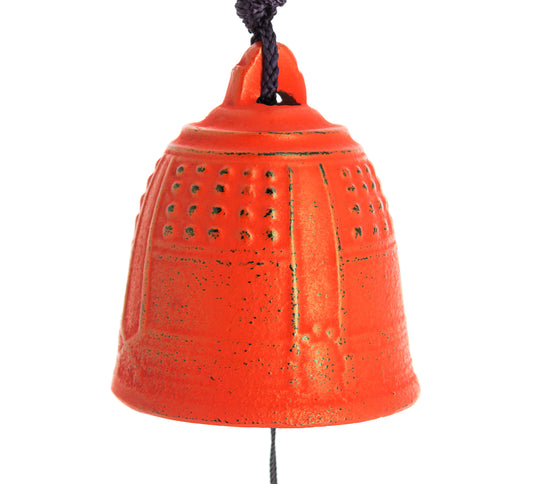
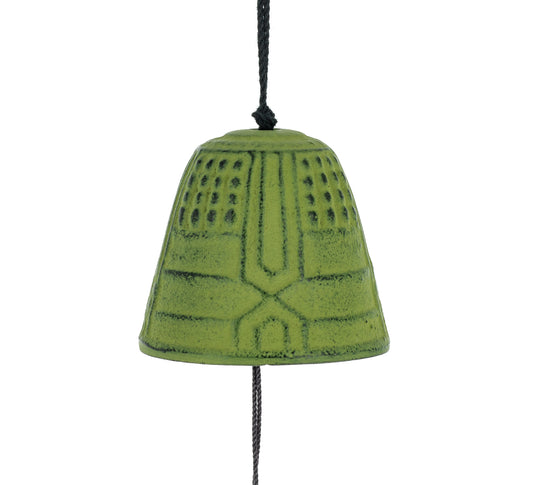
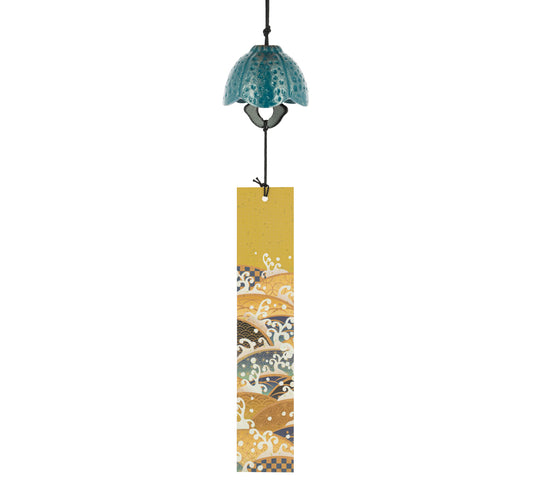
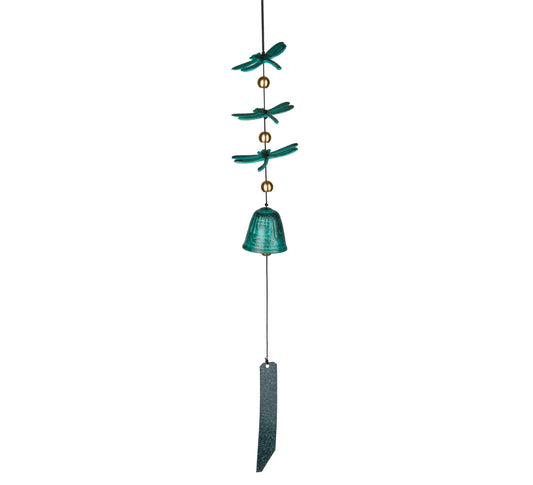
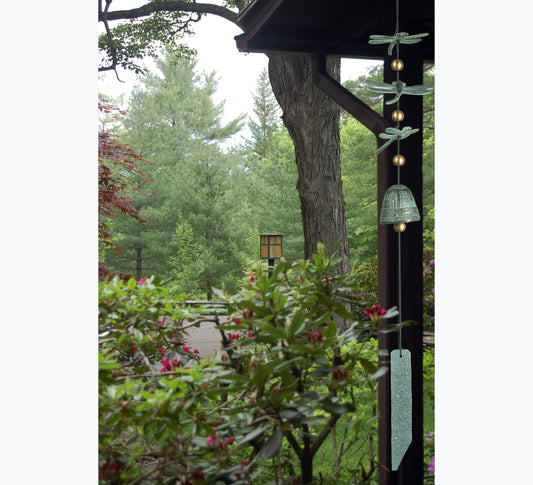
- Furin Bells: These bells bring the sound of the wind into your home and are considered both protective and refreshing. Their delicate tinkling is a gentle anchor to the "here and now."
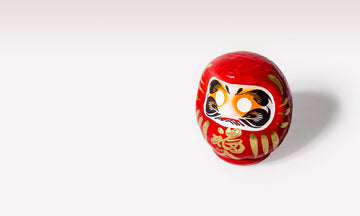
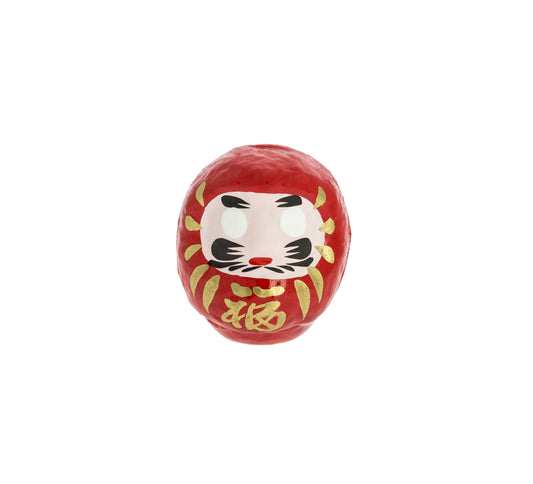
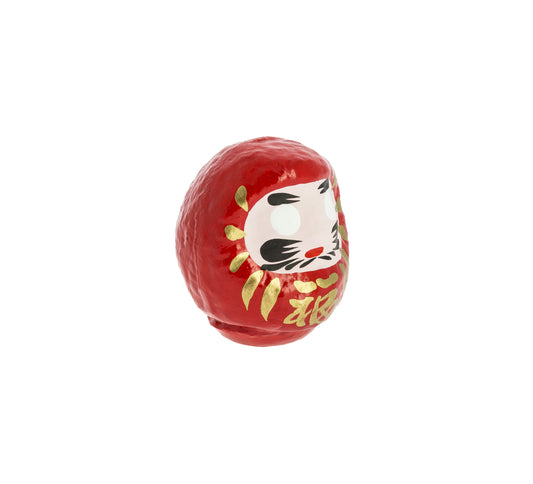
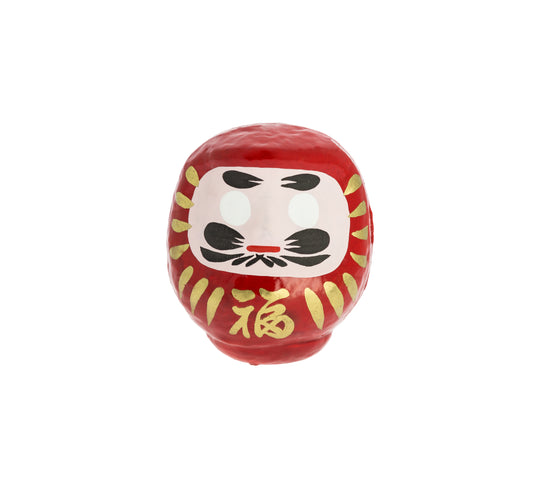
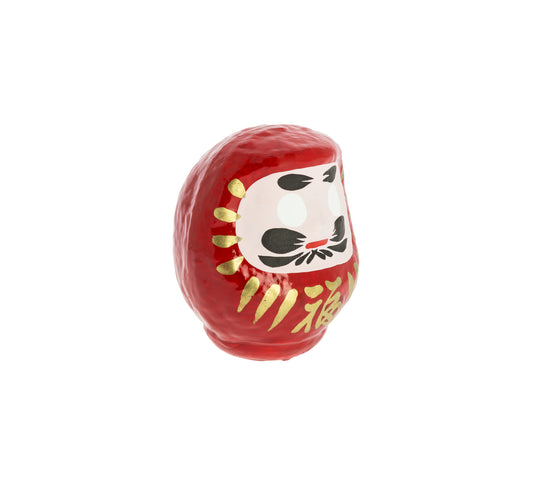
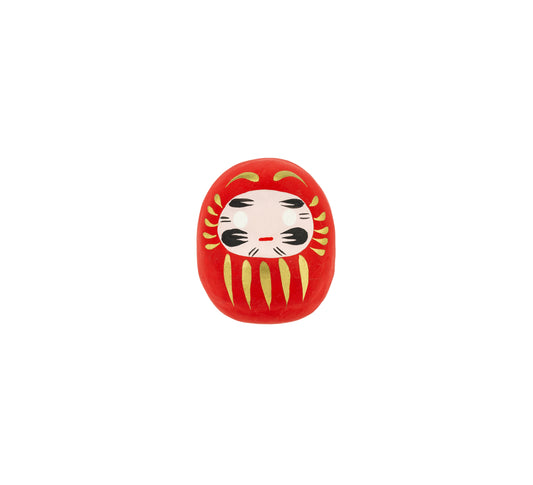
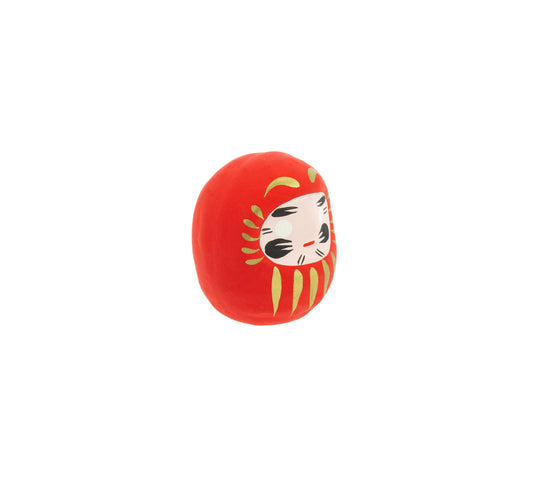
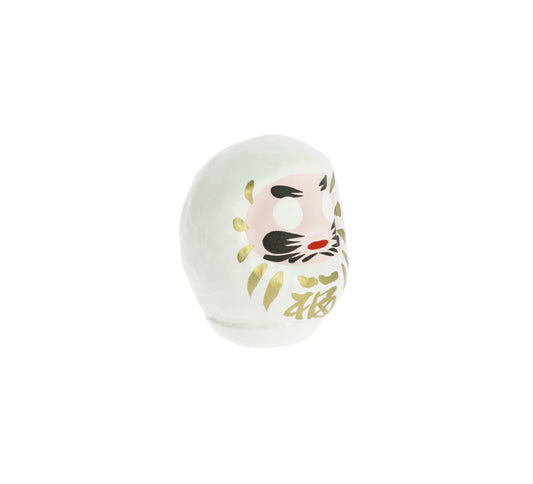
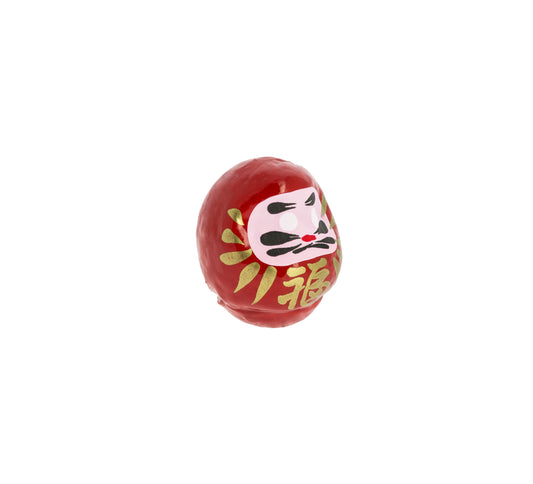
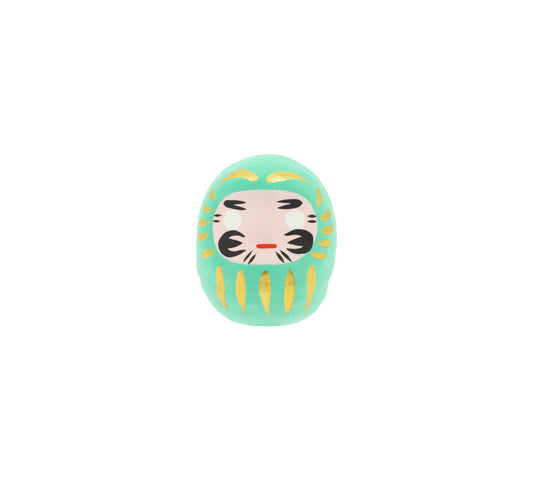
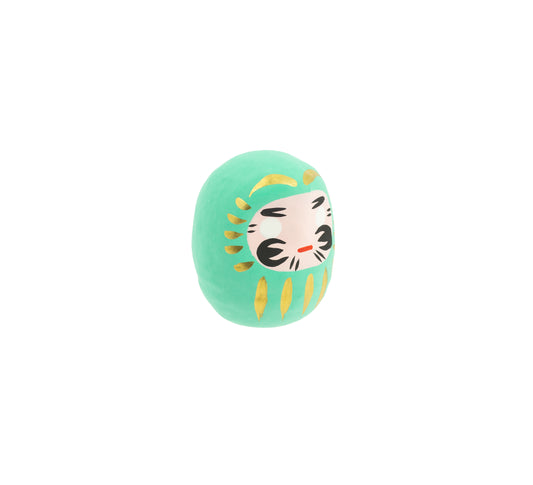
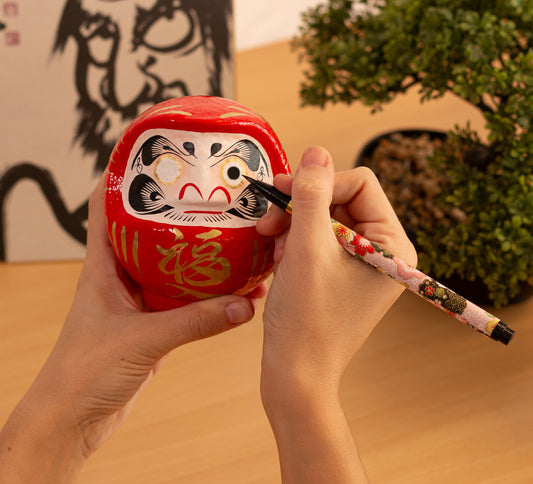
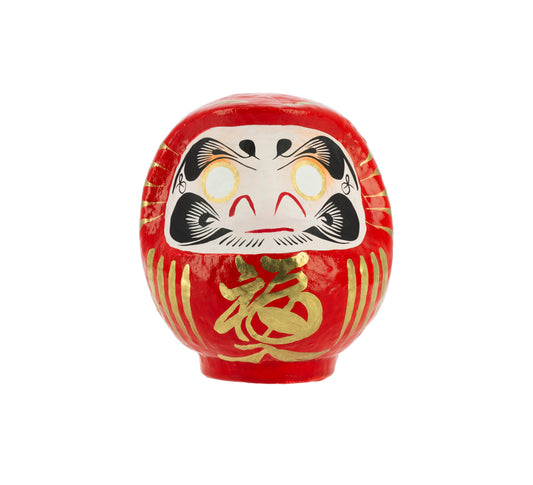
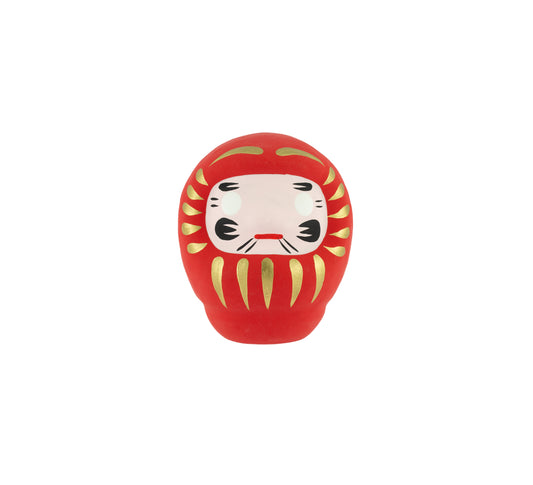
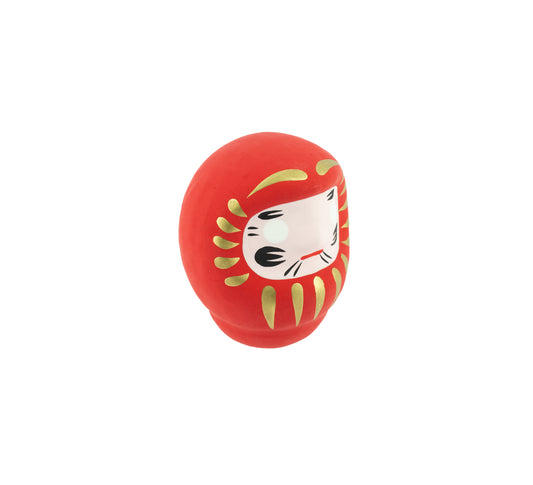
- The Daruma: Much more than a decorative figure, the Daruma is an amulet of perseverance and goodwill. Traditionally, it is used to make a goal visible, reminding us that every small step counts on the path to achievement.
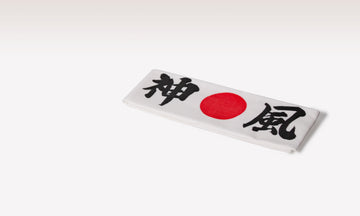
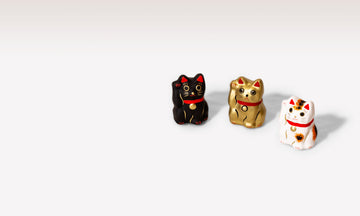
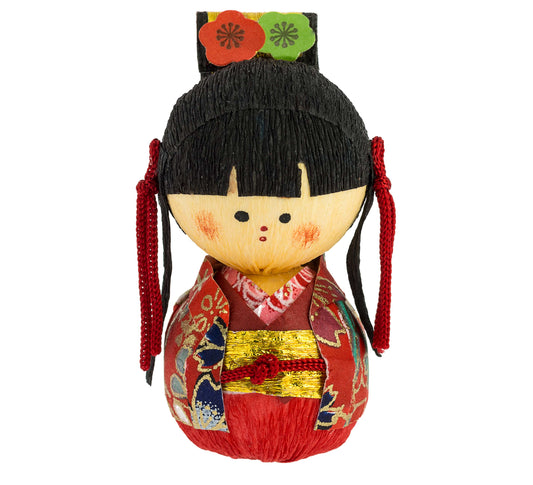
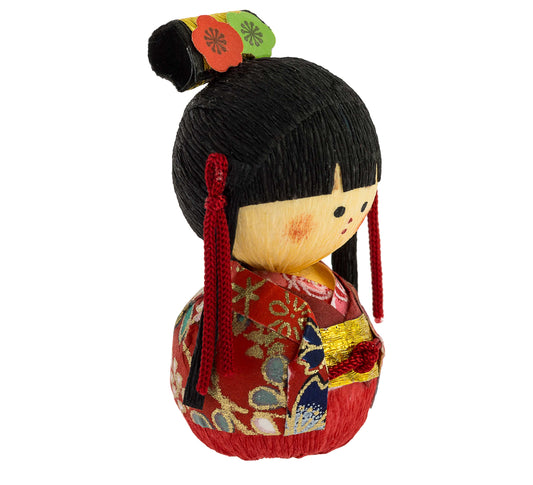
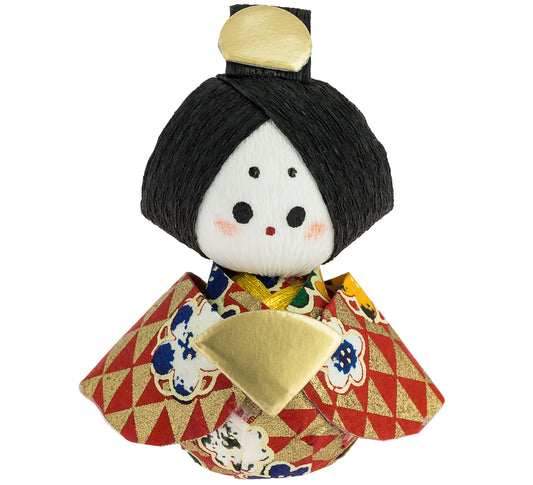
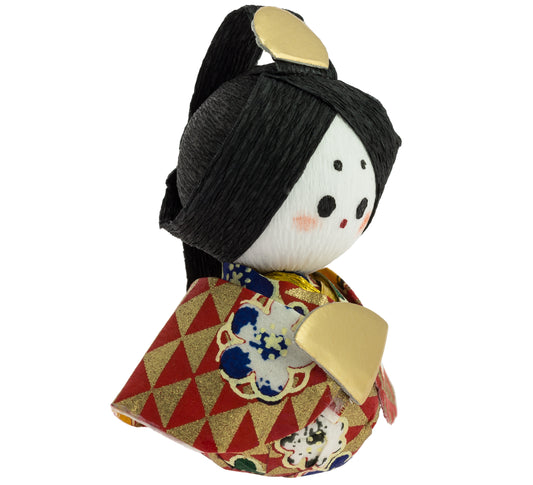
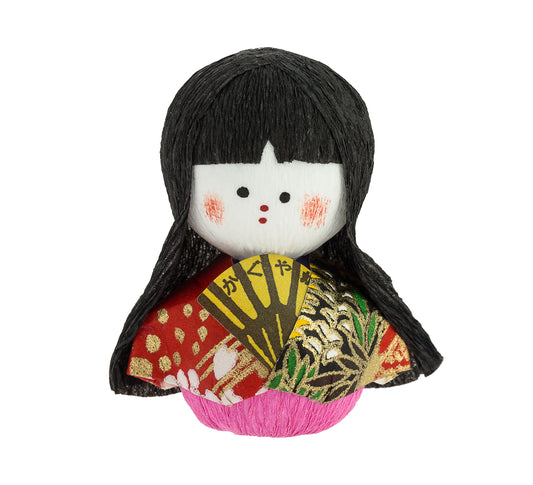
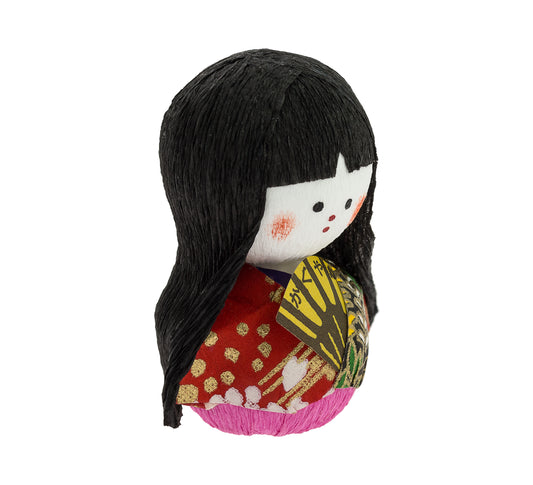
- Hachimaki & More: The Hachimaki (headband) symbolises concentration and determination; the Maneki Neko invites good fortune; and the Okiagari (roly-poly toy) is a powerful symbol of resilience: no matter how many times it falls, it always rises again.
Beauty in the everyday
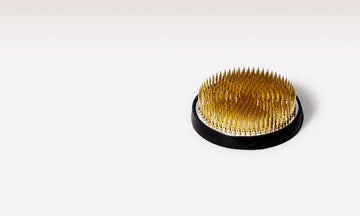
- Ikebana: The art of Japanese flower arrangement is a meditation on space (ma), proportion, and the rhythm of nature.
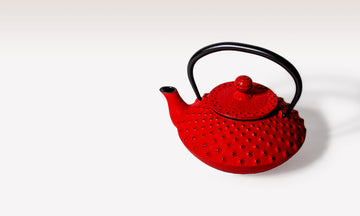
- Iwachu Teapots: Known for their exceptional quality, an Iwachu teapot is an object that will stay in your home for generations, its value renewed with every humble gesture of preparing tea.
Each object in this collection possesses not only a visual presence but a deep cultural background, inviting you to pause, observe, and actively participate in the present moment.
How to integrate these elements
- A corner for contemplation: Place a furin bell alongside a Daruma or a piece of calligraphy to create a focal point of focus and silence in your home.
- Intentional routines: Use a Japanese teapot to prepare tea mindfully, letting the ritual of the hot water and the infusion mark the beginning of your personal "me-time."
- Small reminders: Items like the Maneki Neko or Okiagari can live on your desk or shelf to inspire strength, joy, or good fortune day after day.