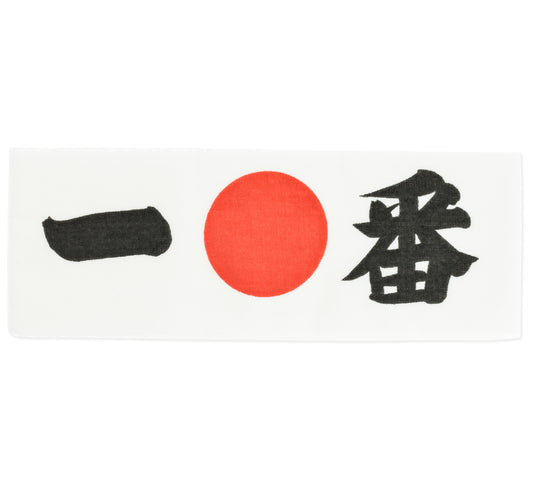
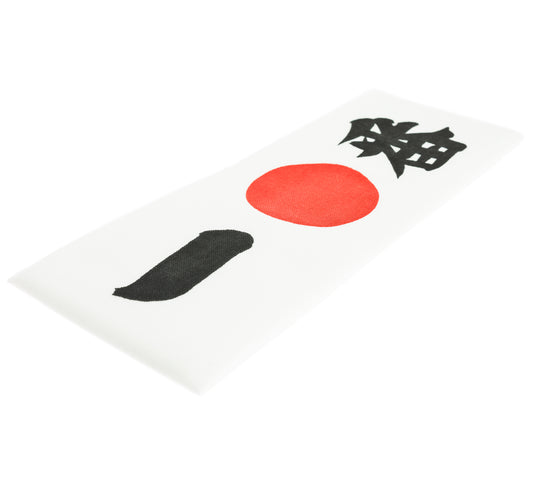
A Guide to Choosing and Using Your Hachimaki
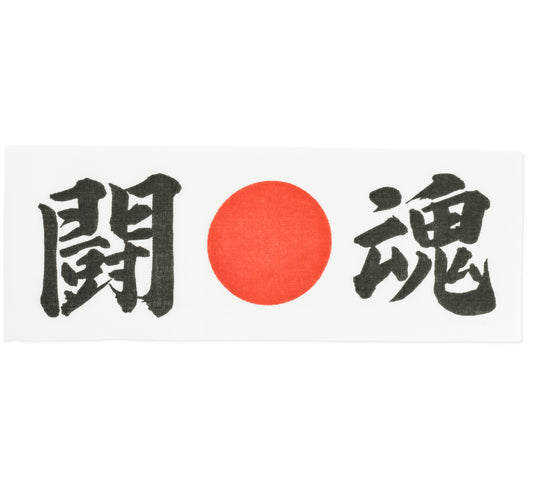
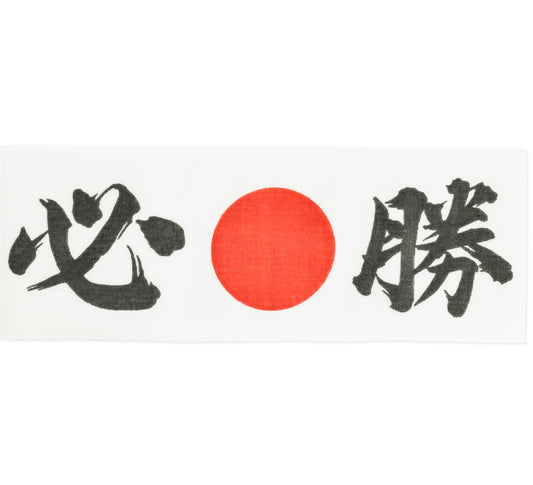
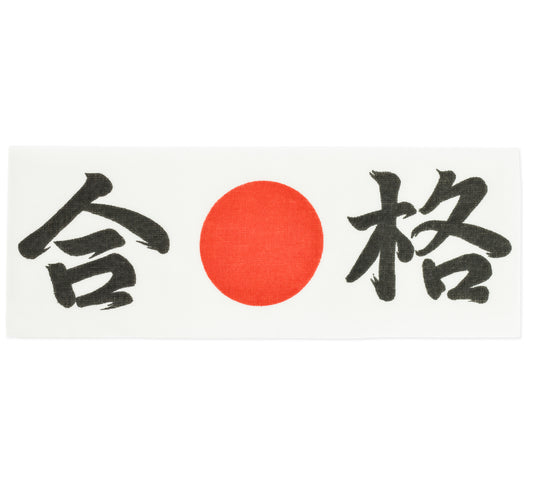
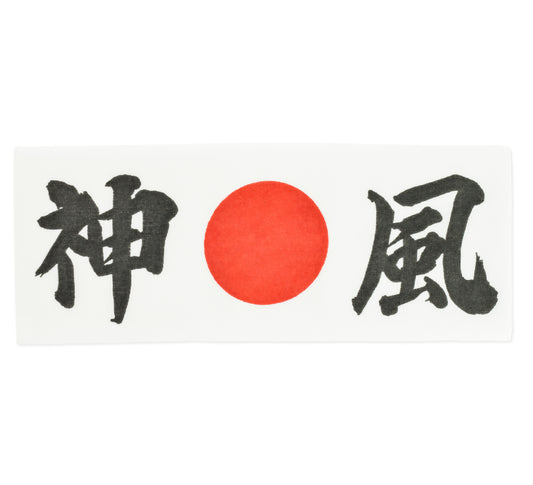
The hachimaki is a traditional Japanese cotton headband tied around the forehead. Historically, it is believed that samurai wore them under their helmets as padding and protection. Over time, however, it has evolved into a powerful cultural symbol representing determination, focus, and a fighting spirit. This is why it is worn during exam periods, at festivals (matsuri), and whenever a great deal of energy and effort is required.
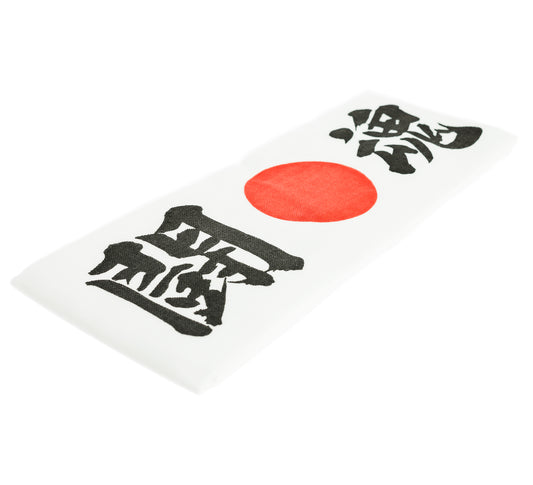
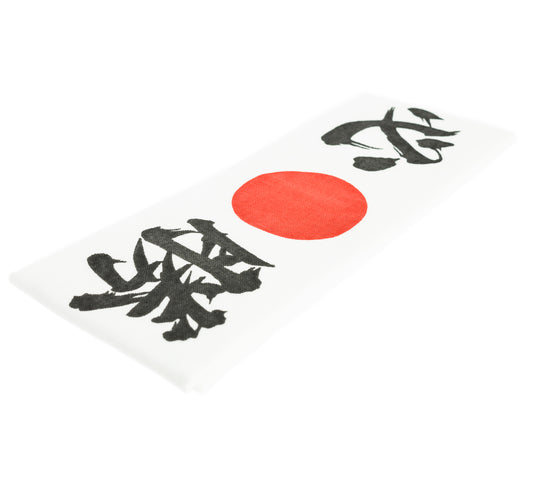
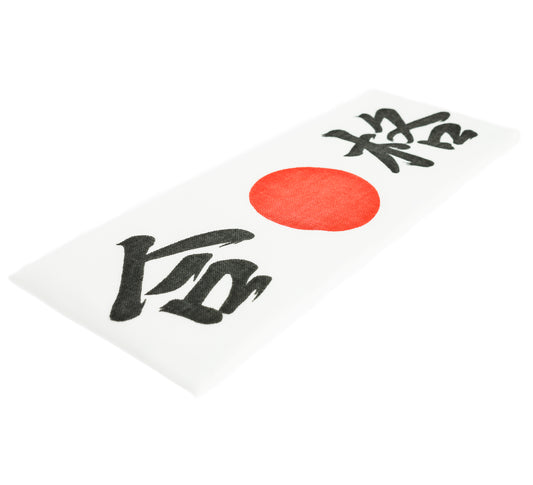
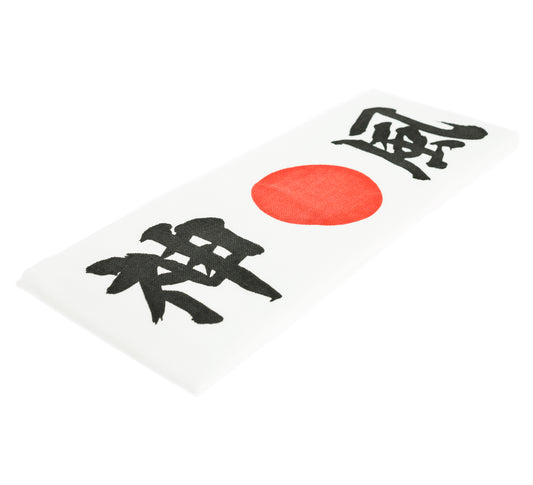
In this collection, you will find hachimakis with various designs and messages, created to accompany you through your daily challenges.
Origin and Symbolism of the Hachimaki
The word hachimaki is composed of two Japanese terms: hachi ("head") and maki ("to wrap"). Traditionally, it was associated with warriors seeking to maintain a clear mind and a firm spirit before entering battle, or artisans who required absolute concentration on their craft. Eventually, the hachimaki was adopted by students and anyone engaged in prolonged effort as a symbol of concentrated energy and unwavering purpose.
The gesture of tying the hachimaki around the forehead is, in itself, an act of intention: a physical reminder of your commitment to the task at hand, a way of "preparing the mind," and affirming your internal determination.
Why use a hachimaki?
While its roots are ancient, the hachimaki remains relevant today because it symbolises a mental attitude that transcends specific cultural contexts. It can help you:
- Recall your purpose or intention during periods of study, practice, or deep work.
- Sustain attention during long tasks, helping to reduce distractions.
- Create a symbolic gesture to enter a mental state of presence and dedication.
- Strengthen your commitment to any goal or personal ritual that requires significant physical or mental energy.
It is not merely a garment; it is a physical anchor that gathers and holds the energy of your intention.
How to use a hachimaki
- Placement: Position it across your forehead, just above the eyebrows.
- Adjustment: Secure the band at the back, tying it firmly but making sure it remains comfortable.
- Intention: Breathe mindfully, taking a moment to connect your internal intention with the physical gesture.
- Practice: Wear the hachimaki during your activity, allowing its presence to symbolise your focus and resolve.
- Closure: Remove it once you have finished as a gesture of completion and a way to acknowledge your effort.
This simple, ritualised act—placing, sustaining, and removing the hachimaki—can help you clearly mark the transition from a state of distraction to one of mindfulness.
Integrating the hachimaki into your daily life
The hachimaki is a perfect companion for modern contexts requiring concentration and presence: from long study sessions and creative work to physical exercise, conscious breathing, or preparing for any challenge that demands sustained focus. The softness of the cotton and its simple, easy-to-use design make it suitable for use at any time.
It can also serve as a visual reminder in your space—hung near your meditation corner or desk to invite you into a focused state of mind whenever you see it.