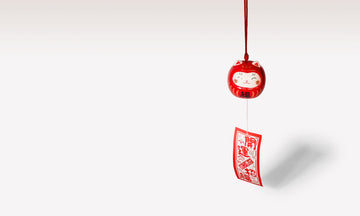
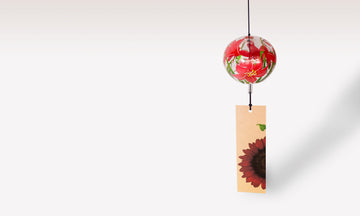
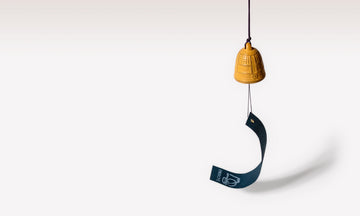
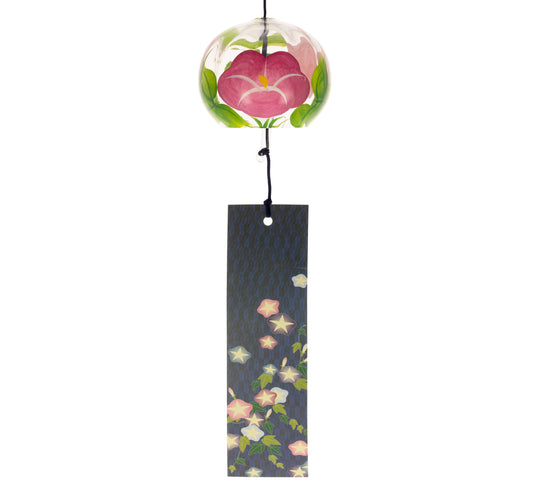
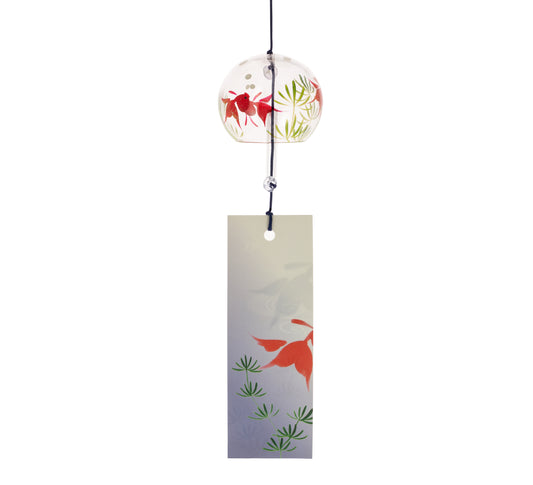
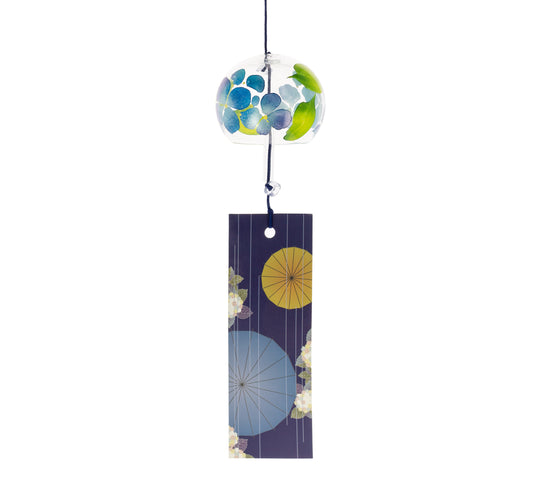
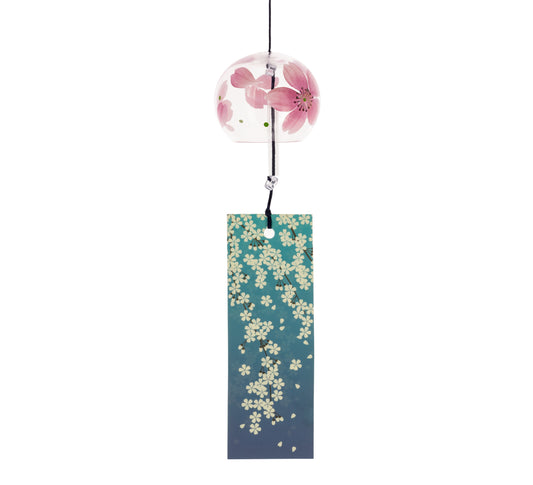
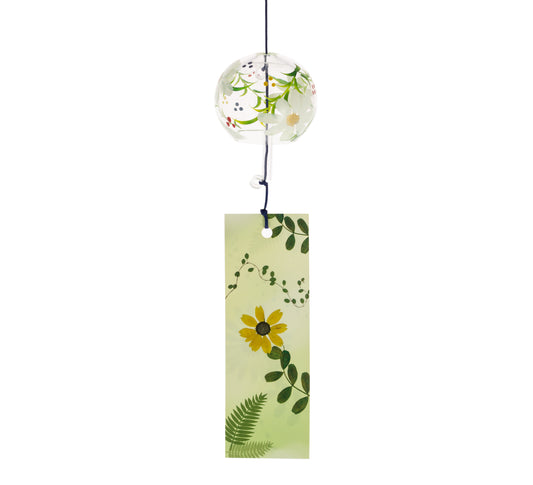
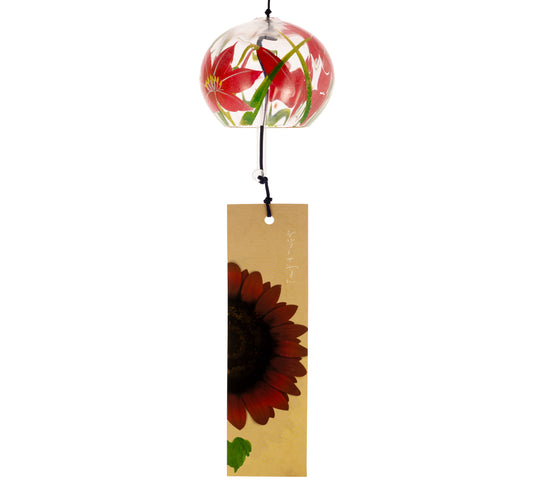
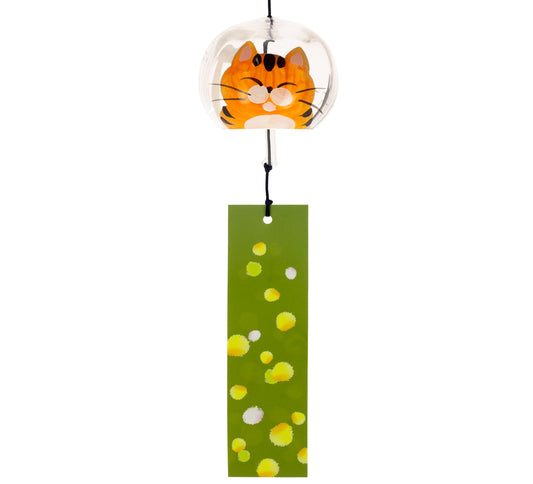
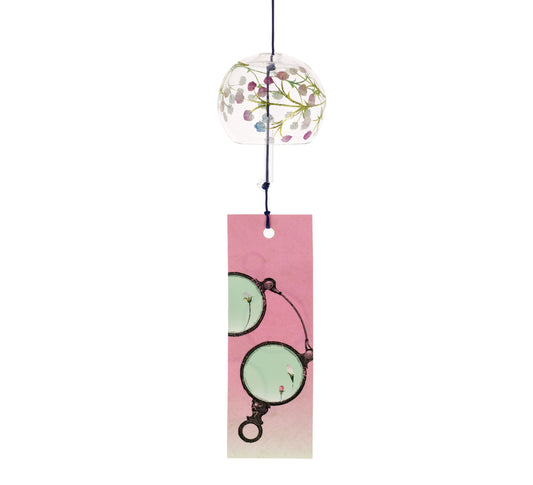
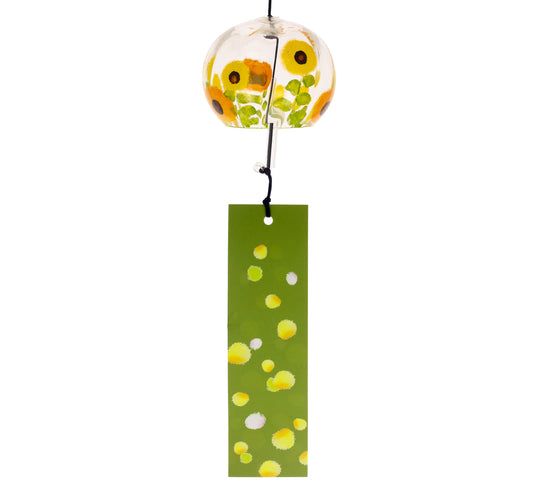
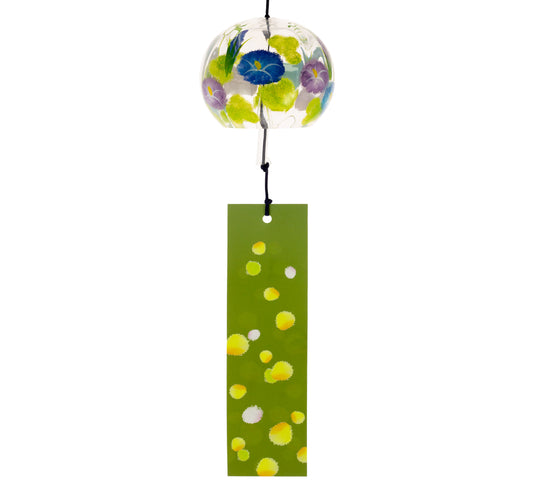
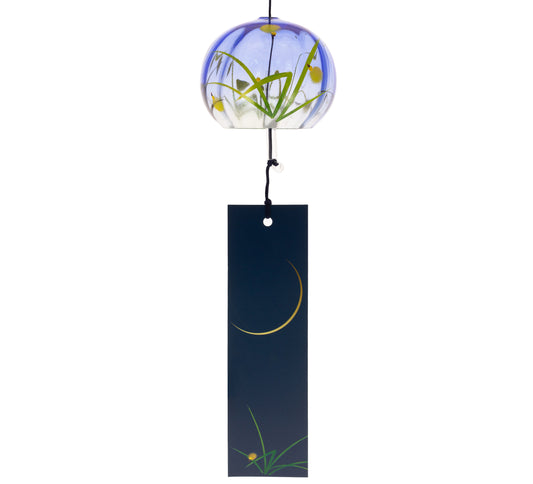
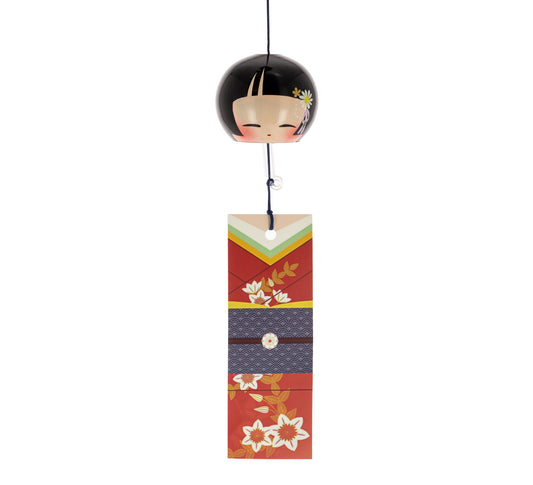
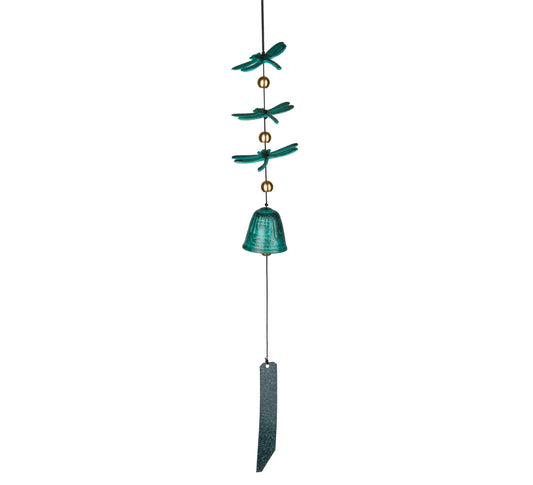
A Guide to Understanding and Enjoying Your Feng Shui, Furin, and Iwachu Bells
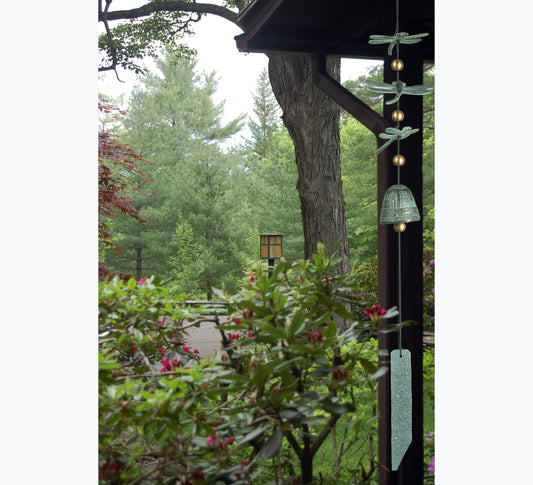
Fūrin bells and Iwachu cast iron pieces are instruments rich in tradition, meaning, and function within both Feng Shui and Japanese culture. Designed to be hung from windows, doors, terraces, or gardens, their wind-catchers capture the breeze and transform it into delicate sounds. These melodies invite calm, balance, and a harmonious flow of energy within your environment.
What are Fūrin bells and why do they matter?
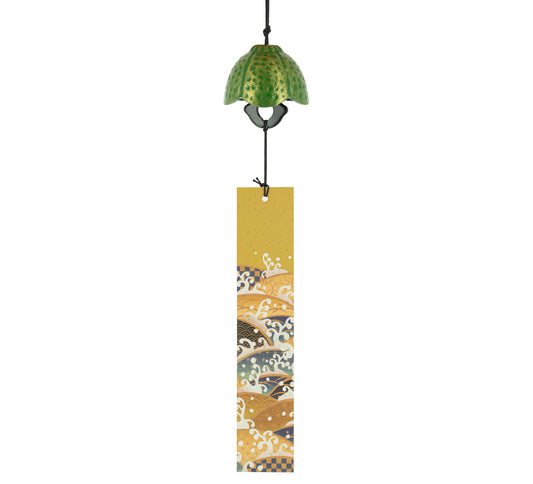
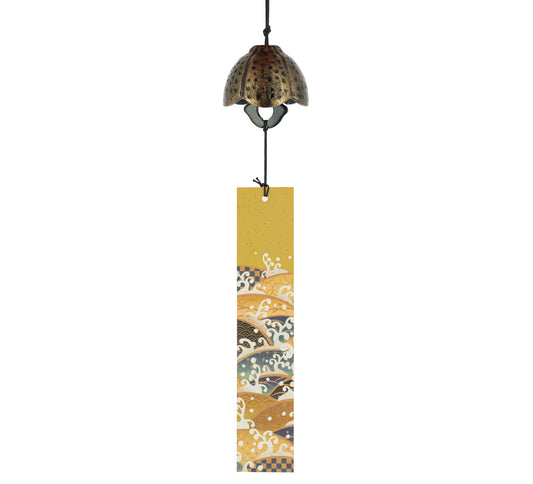
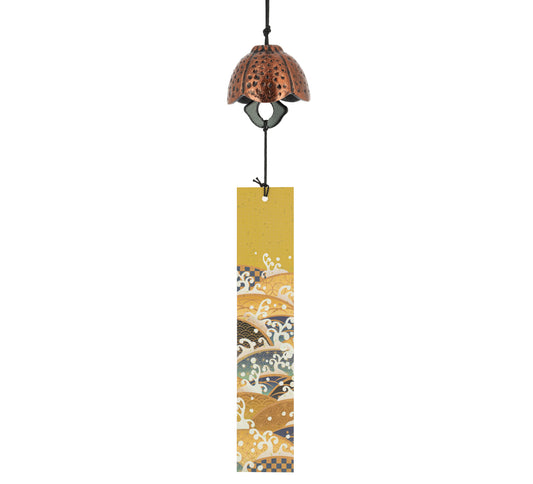
Japanese wind chimes (fūrin) are small bells that produce a melodious tinkling sound when the wind moves the wind-catcher (the paper strip) hanging from them. In Japan, they are a traditional symbol of summer, associated with the refreshing feeling of a breeze during the warmer months.
In ancient times, they were hung from the eaves of temples and homes to ward off negative spirits, attract favourable energy, and create an atmosphere of stillness. Over time, they have become an integral part of daily life and Feng Shui philosophy, where sound acts as a catalyst to balance the energy (qi) within a space.
Iwachu Craftsmanship: Cast iron bells with presence
Iwachu cast iron bells, handcrafted in Morioka, Japan, combine a long metallurgical tradition with functional purpose. Each cast iron bell produces a unique resonance and a tinkling sound that varies depending on the strength of the wind. These bells, highly regarded in Feng Shui, help activate positive energy while repelling negative influences. Their robust, timeless aesthetic makes them perfect for both indoor and outdoor spaces.
Integrating them into your space with intention
To get the most out of your bells, consider these mindful placements:
- In doors and windows: Placing your bell near an area where a breeze enters ensures the sound is easily activated, encouraging the circulation of fresh energy.
- On terraces or gardens: The natural breeze creates a gentle, ever-changing soundscape—a perfect way to integrate nature into your home to foster harmony.
- In transition zones: Near entrances or hallways, bells can accompany a change of pace, marking the transition between the outside world and your introspective home life.
Note: According to Feng Shui, the location and the material (metal, ceramic, glass, or iron) determine the type of energy being enhanced: clarity and freshness, vitality and growth, or well-being and prosperity.