A Guide to Exploring and Practising Ikebana
Ikebana is the traditional Japanese art of flower arrangement—a millenary practice that goes far beyond mere decoration. It is a way to cultivate mindfulness, balance, and harmony with nature. Unlike Western floral arrangements, which often focus on a profusion of blooms, Ikebana values empty space (ma), the line of the stems, the shape of the branches, and the relationship between all elements. This simple and contemplative aesthetic connects directly with the principles of Zen and conscious perception.
In this collection, you will find the essential tools and accessories designed to facilitate your Ikebana practice: kenzans and specialized tools that allow you to express your sensitivity in every composition.
What makes Ikebana special?
Ikebana is a creative act of presence and connection. Every choice—which flower to cut, which branch to select, how to position each element—demands an attentive gaze, a honing of sensitivity, and a unification with the natural material in your hands. Through this practice, you can experience:
- Appreciating plants: Simply seeing and smelling the chosen flowers is nourishing in itself.
- Attention and connection: The physical act of placing each piece becomes a moving meditation.
- Balance and space: In Ikebana, the void is as valued as the form, allowing the composition to "breathe".
- A relationship with nature: Ikebana takes into account the time of year, seasonal flowers, and the essence of each material—stem, leaf, flower, or branch—in its most authentic state.
Ikebana integrates aesthetics with philosophy: every arrangement expresses a moment, an intention, and an intimate dialogue between the mind and the form.
Tools and elements in the collection
In this selection, you will find the fundamental bases and tools to help shape your creative expression:
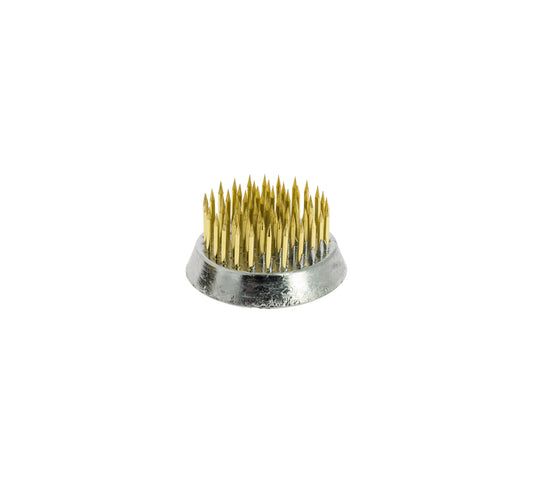
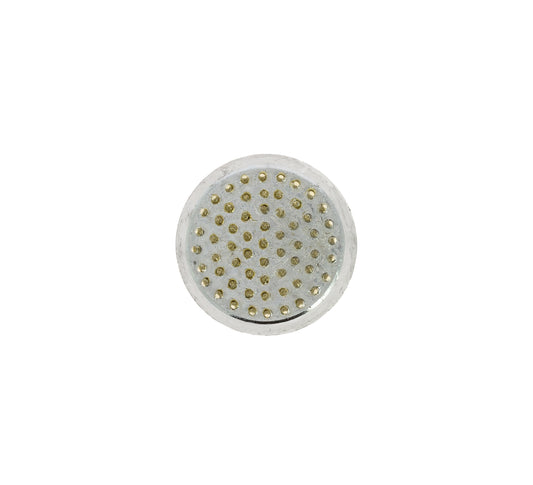
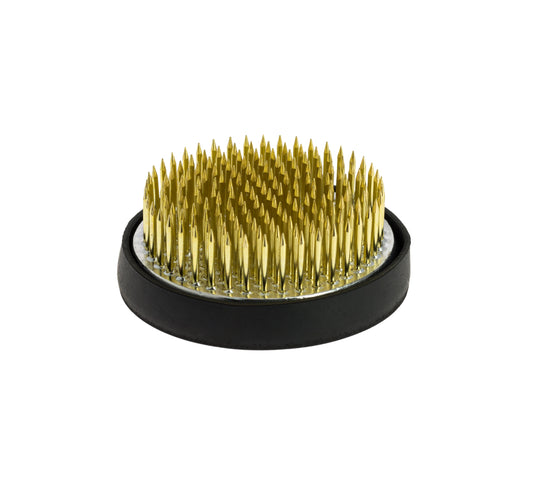
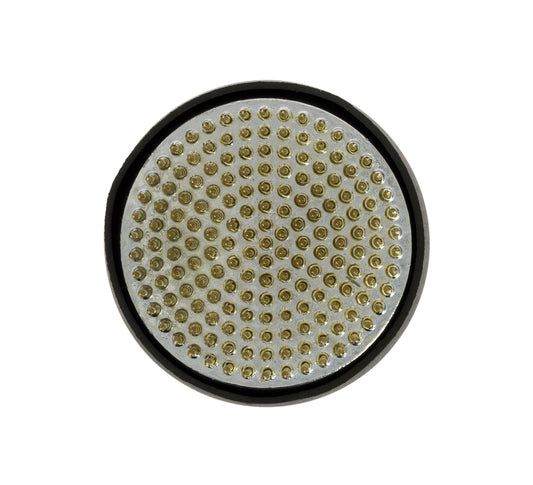
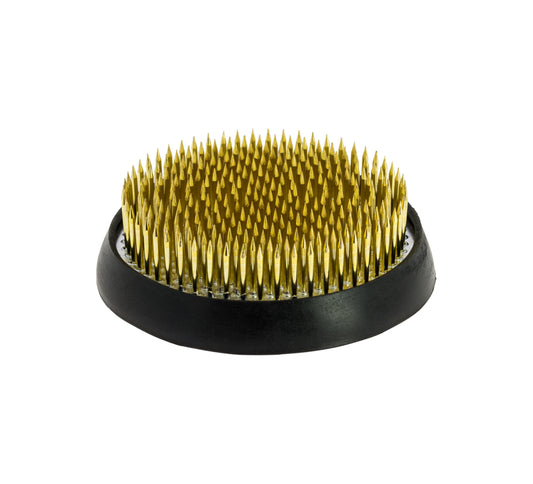
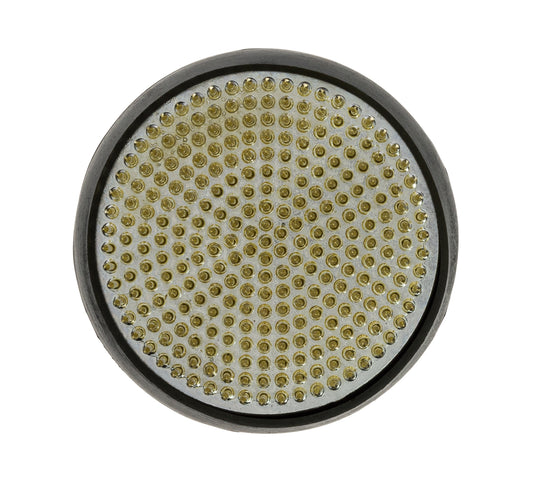
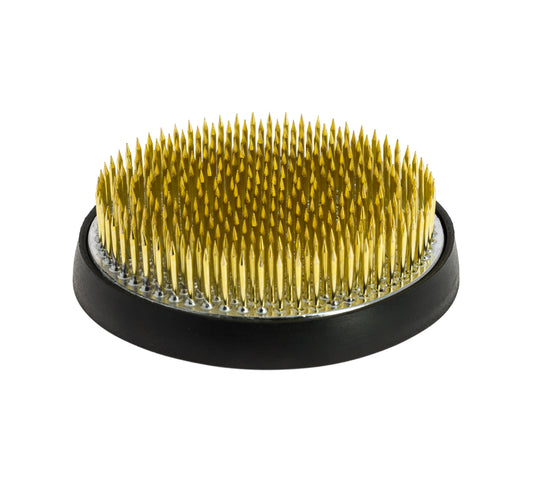
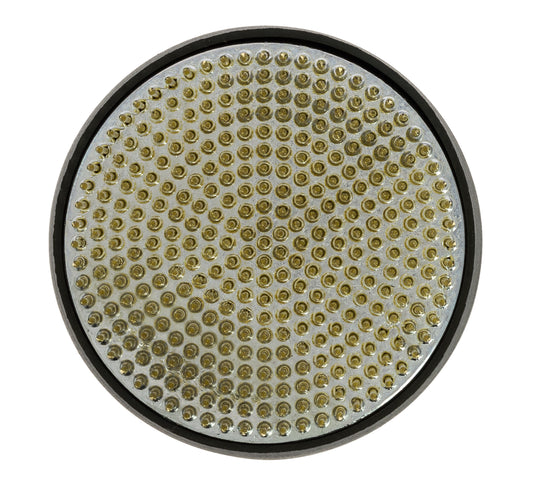
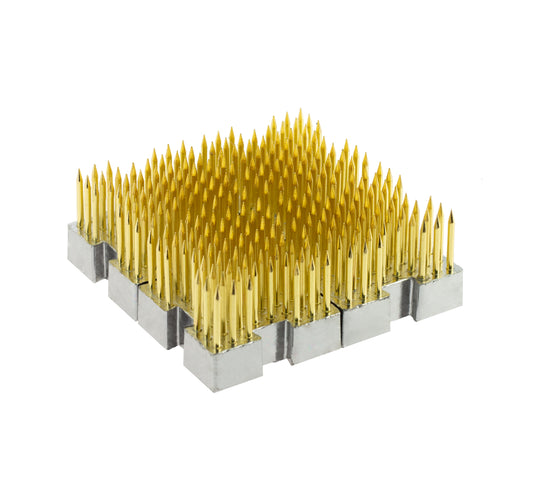
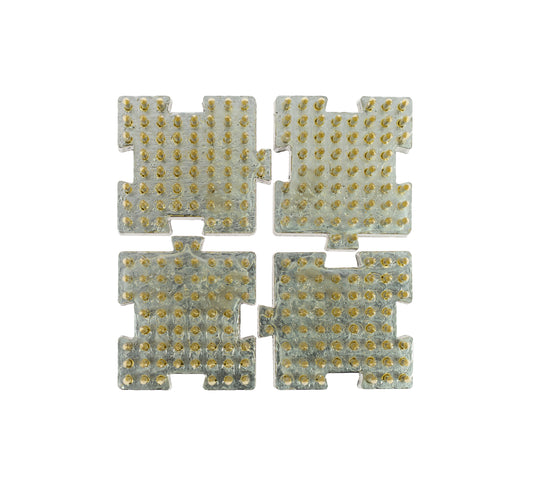
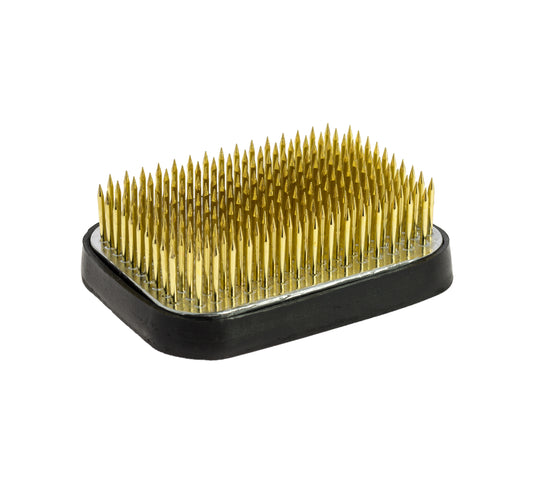
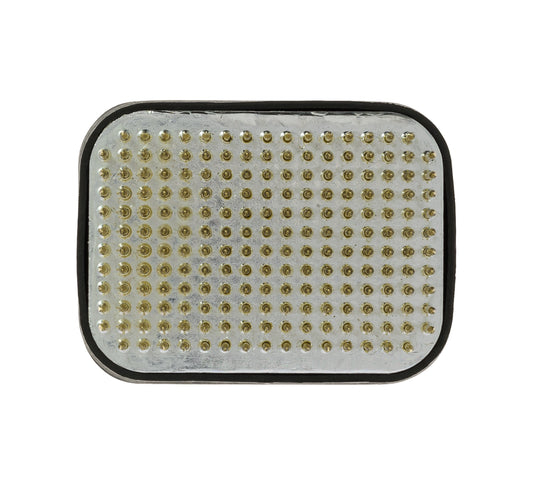
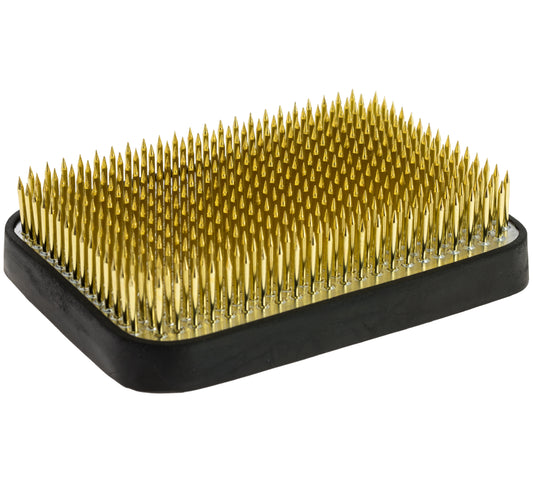
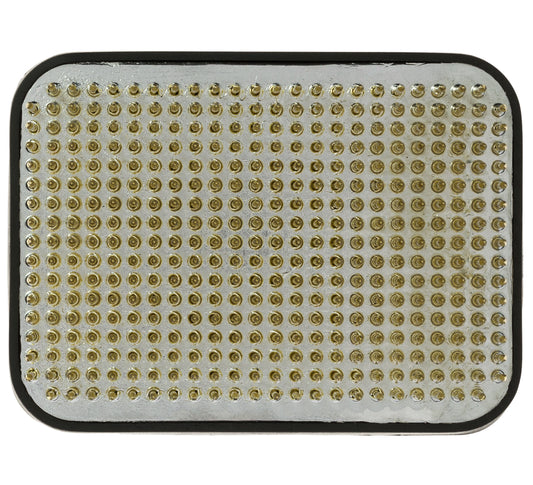
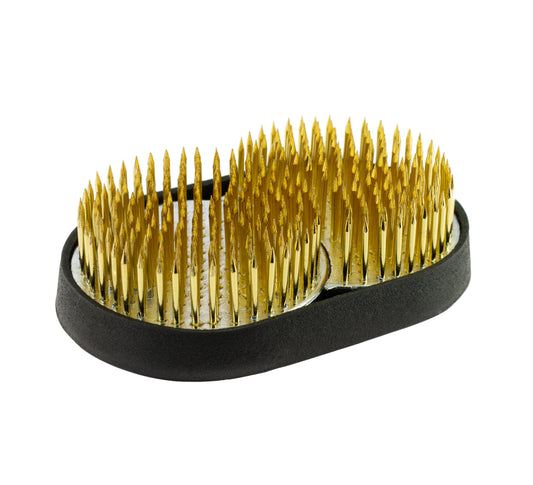
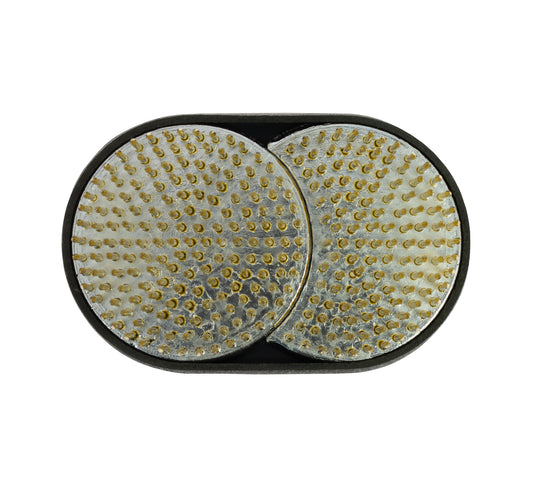
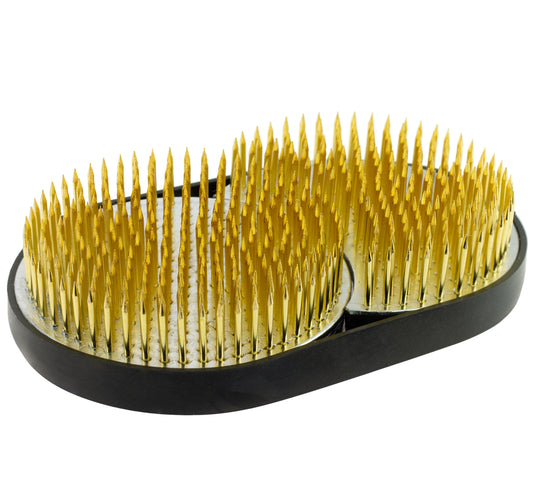
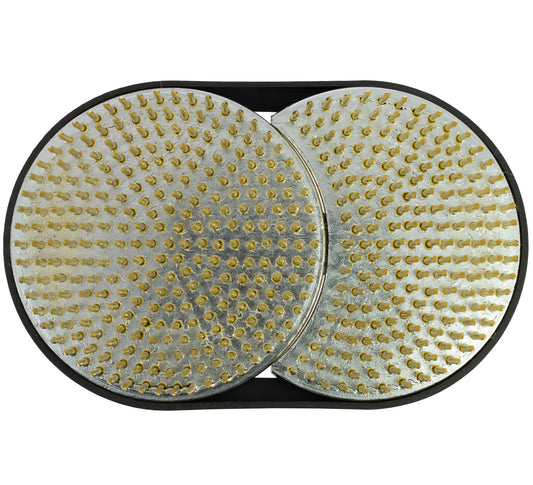
- Kenzans (Pinholders): Lead bases with brass needles that fix stems and branches firmly in the desired position.
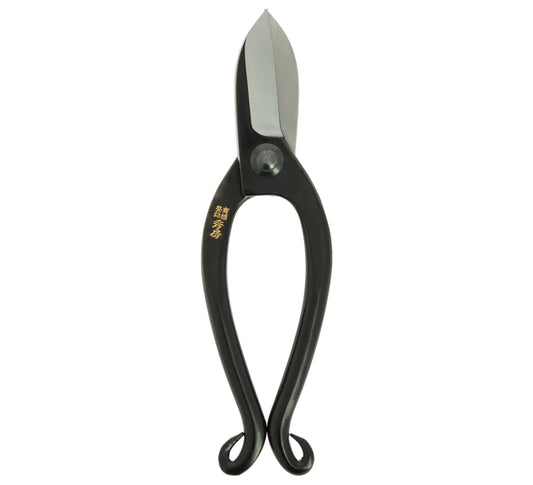
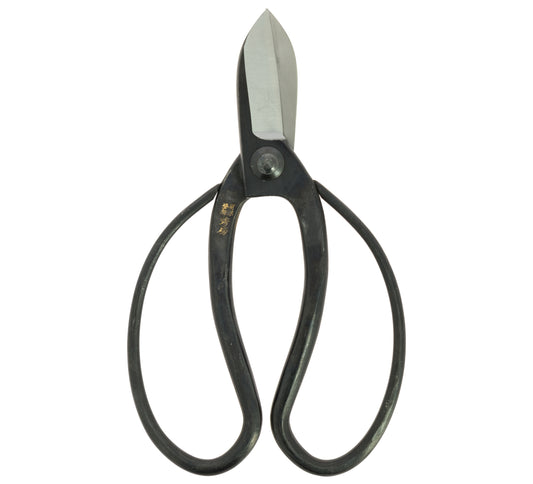
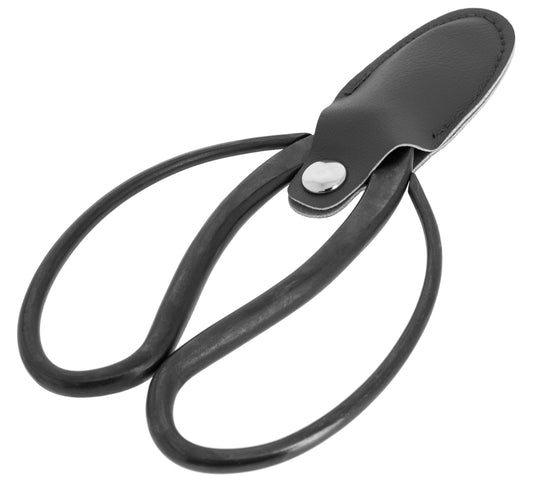
- Japanese scissors: Their exceptional sharpness provides the power to cut thick branches and the precision required for delicate stems.
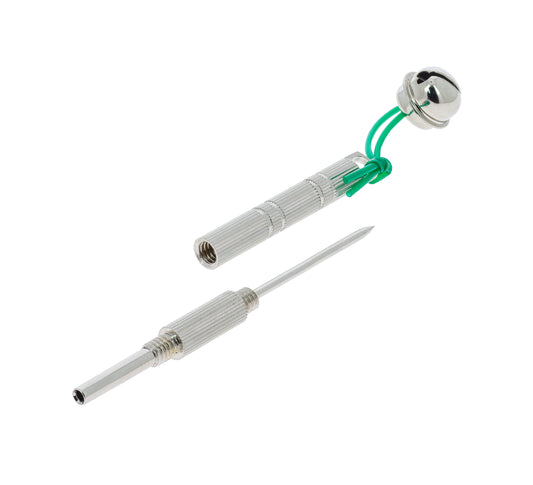
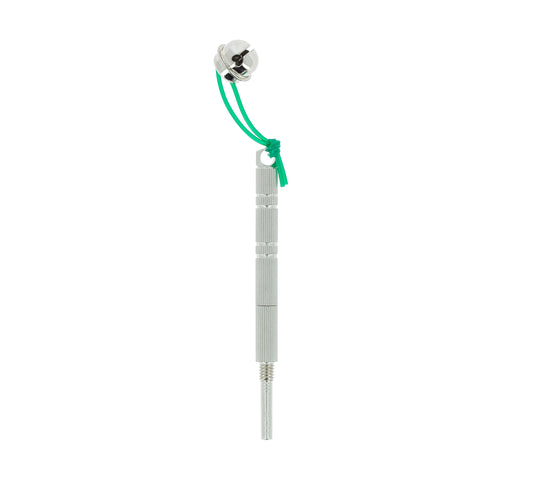
- Kenzan accessory: A dual-purpose tool used to clean the kenzan and straighten the needles when necessary.
How to start with Ikebana
- Choose a suitable vessel: It can be shallow (Moribana style) or deeper, depending on the design you imagine.
- Place the kenzan at the base: This will allow you to fix the stems stably.
- Select your natural elements: Flowers, branches, leaves, or stems. Observe their shape, texture, and natural movement.
- Place each piece with intention: Think about the lines, the balance, and the space between each element.
- Breathe and observe: What does my Ikebana convey? Is it balanced? Is it pleasant to contemplate? The result is a reflection of your presence in that very moment.
While Ikebana has certain basic rules that refine perception and skill, these are no obstacle to experimenting, seeking a connection with the present, and expressing your sensitivity towards nature.
Benefits for your practice
Practising Ikebana can enrich your daily life and your inner space in multiple ways:
- It promotes calm and concentration.
- It develops aesthetic sensitivity and an appreciation for the natural world.
- It encourages patience and attention to detail.
- It transforms a corner of your home into a place of serenity and presence.
This traditional art is a form of meditation in motion, where every gesture counts and every line expresses an intention.