
Collection: Natural Incense
Since ancient times and in all cultures, man has resorted to the rite of incense to purify both people and places.
Resins such as myrrh and church incense, white sage and palo santo are part of an ancient wisdom that endures today in the age of modernity and technology.


-
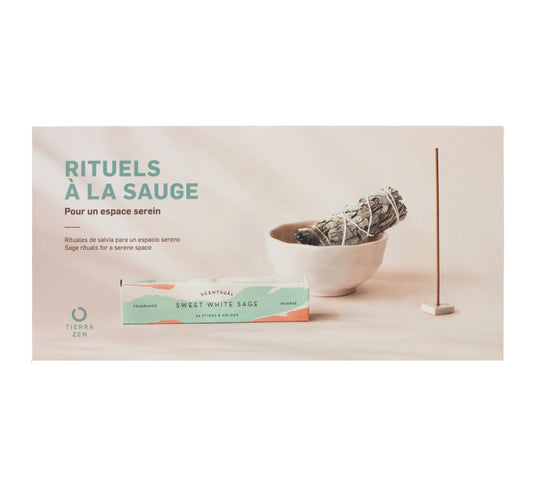
Sage Rituals - Incense and White Sage Set
Regular price 20,90 €Regular priceUnit price per -
Palo Santo Burner - Kin
Regular price 11,20 €Regular priceUnit price per -
Palo Santo Burner - Zama
Regular price 14,70 €Regular priceUnit price per -
Ritual Gift Set - Sage & Japanese Incense
Regular price 29,90 €Regular priceUnit price per29,90 €Sale price 29,90 € -
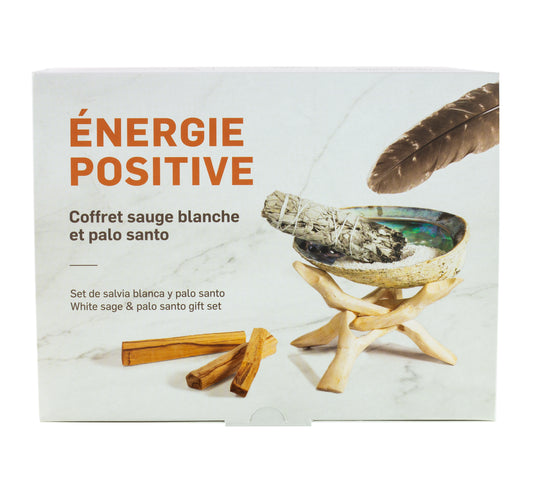
Positive Energy Set - White Sage & Palo Santo
Regular price 43,90 €Regular priceUnit price per43,90 €Sale price 43,90 € -
Palo Santo
Regular price 4,90 €Regular priceUnit price per -
California White Sage Smudging Bundle, 8-10 cm
Regular price 4,90 €Regular priceUnit price per -
Three Sages
Regular price 6,50 €Regular priceUnit price per6,50 €Sale price 6,50 € -
White Sage & Rosemary Smudging Bundle
Regular price 6,50 €Regular priceUnit price per6,50 €Sale price 6,50 € -
7-Chakra California White Sage Smudging Bundle
Regular price 6,50 €Regular priceUnit price per6,50 €Sale price 6,50 € -
Yerba Santa Smudging Bundle
Regular price 6,50 €Regular priceUnit price per6,50 €Sale price 6,50 € -
Red Dragon's Blood Sage
Regular price 6,50 €Regular priceUnit price per6,50 €Sale price 6,50 € -
Blue Sage Smudging Bundle
Regular price 6,50 €Regular priceUnit price per6,50 €Sale price 6,50 € -
California White Sage Smudging Bundle, 22-25 cm
Regular price 15,00 €Regular priceUnit price per15,00 €Sale price 15,00 € -
Smudging Bundle Pack - 3 Sages
Regular price 19,50 €Regular priceUnit price per19,50 €Sale price 19,50 € -
Abalone Shell
Regular price 24,00 €Regular priceUnit price per24,00 €Sale price 24,00 €