A Guide to Creating Your Meditation Space
Meditation involves a silence that requires dedicated space, time, and a specific intention. The objects that accompany you are not merely accessories; they are physical supports that facilitate posture, focus, and consistency. A well-chosen cushion, a zabuton, or a bell can help turn a sporadic practice into a profound habit.
In this Meditation collection, you will find tools designed to support your practice, whether you are just starting out or have been meditating for years. These pieces have been selected for their functionality, quality, and connection to tradition, helping you create a personal sanctuary of silence.
Essential elements for meditating with comfort and focus
Following the teachings of Dōgen Zenji, comfort is a necessary condition for practice because when the body is well-supported, the mind can settle more easily.
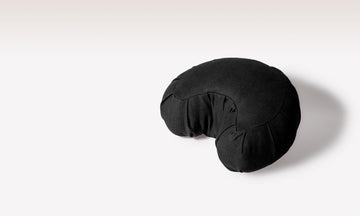
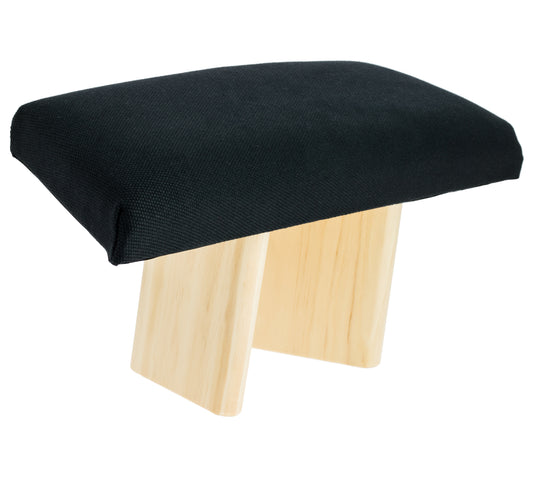
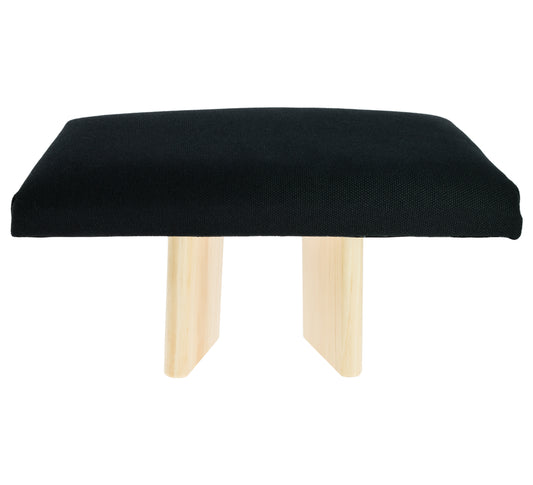
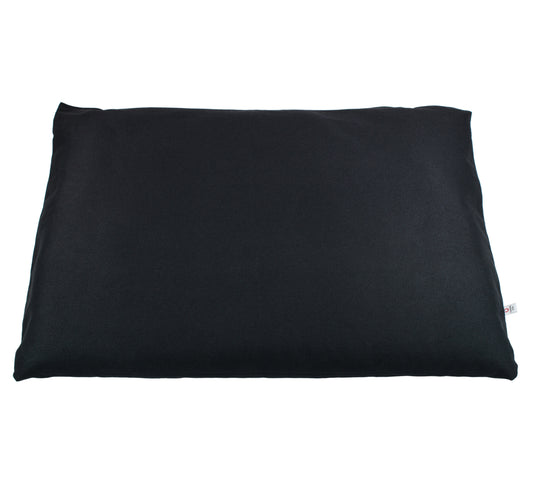
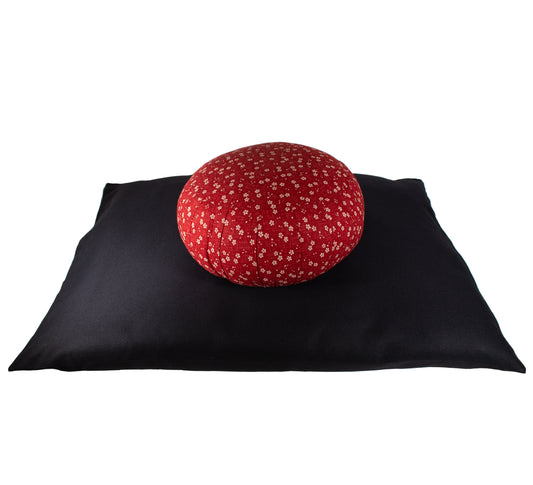
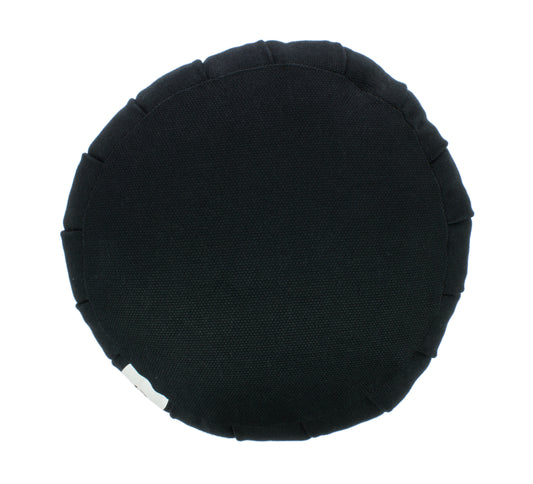
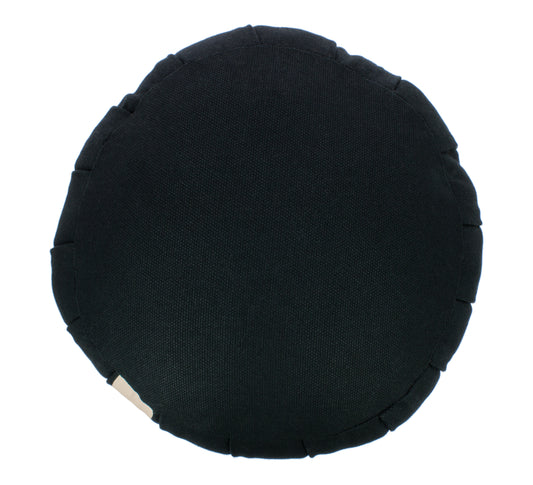
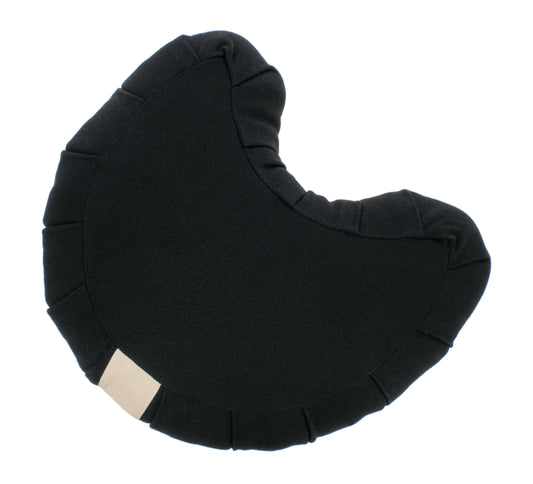
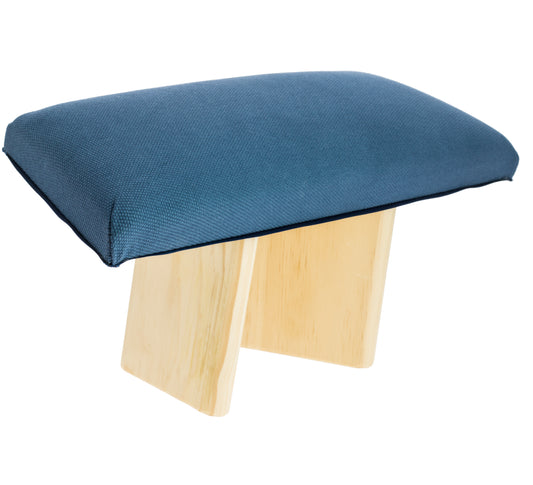
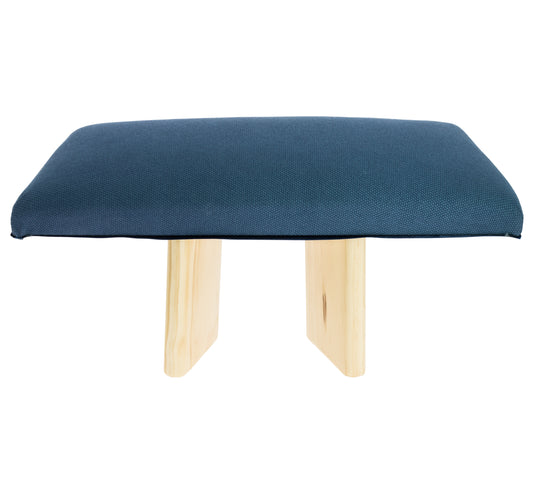
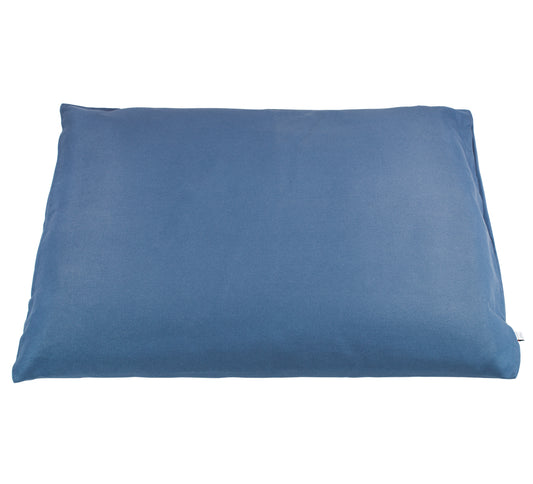
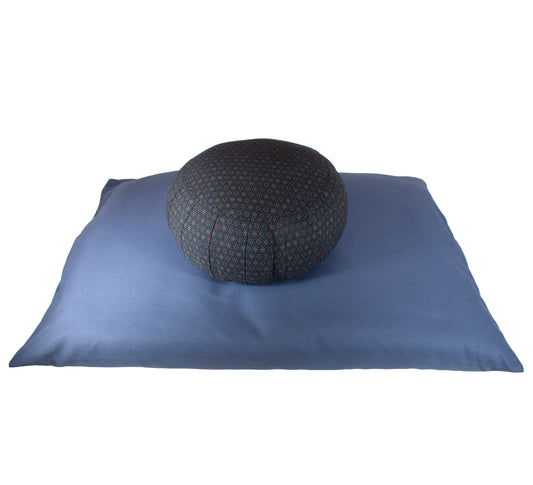
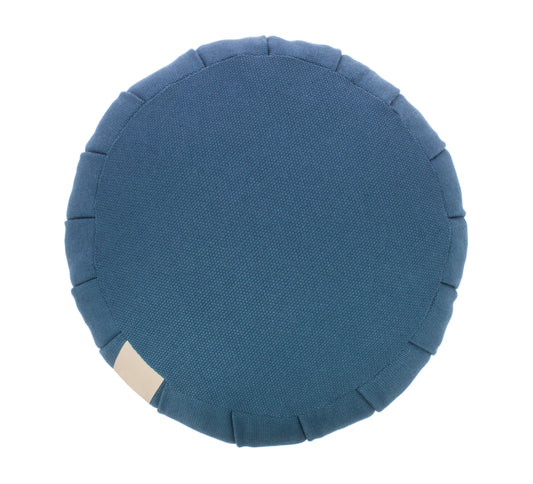
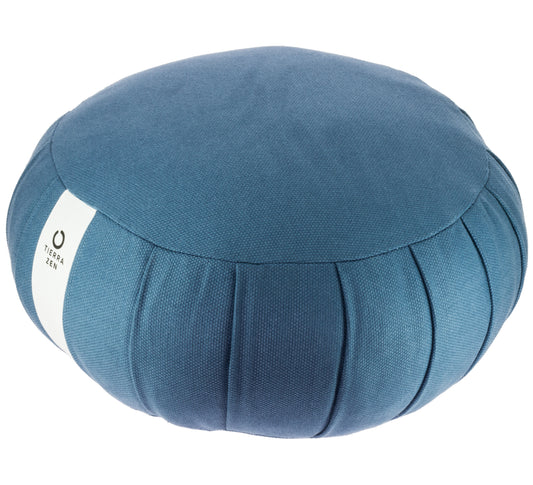
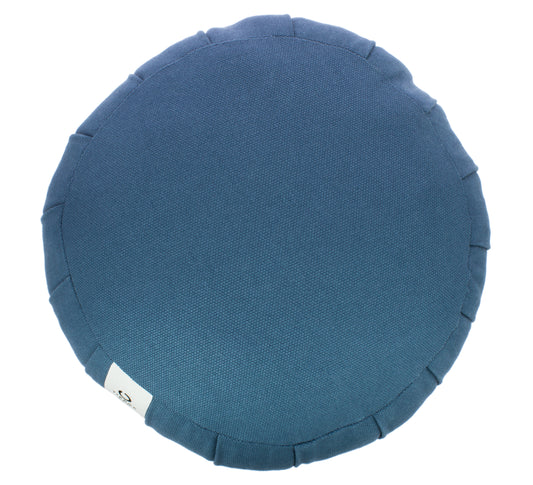
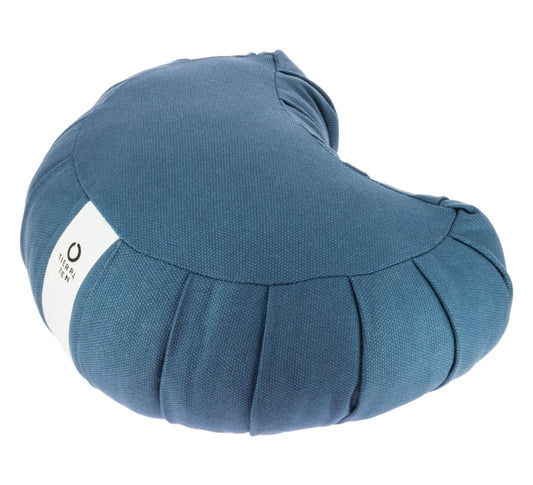
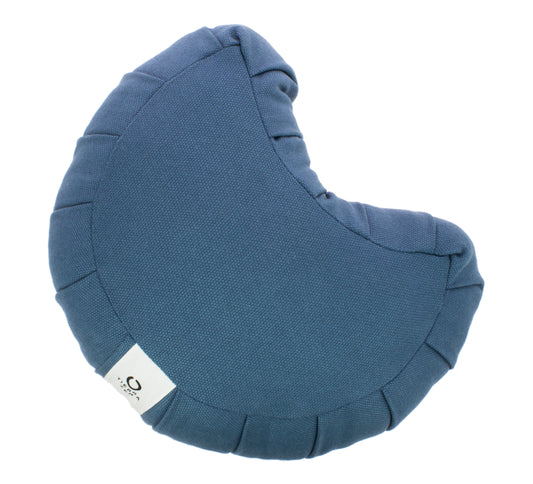
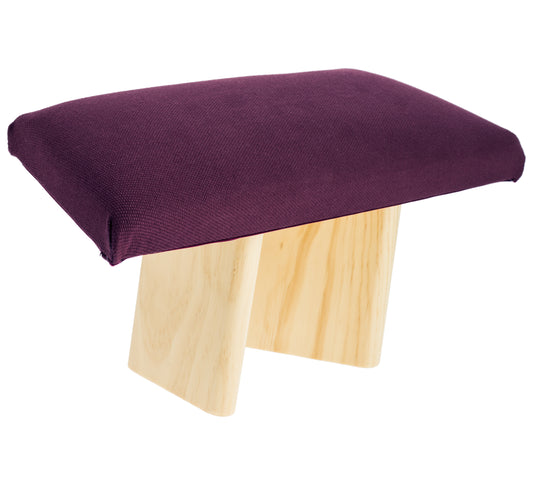
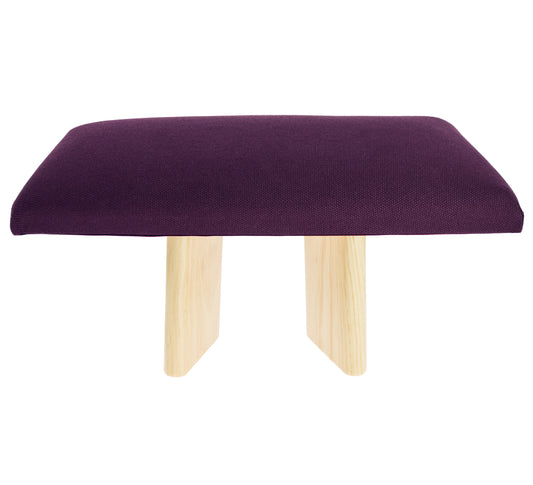
Zafus and zabutons help to elevate the hips, align the spine, and protect the knees and ankles, allowing you to maintain your posture for longer periods without tension. Meditation benches, on the other hand, are an excellent alternative for those who prefer the seiza (kneeling) posture. Choosing the right physical support is one of the most important steps towards a stable and healthy practice.
Sound as an anchor for the present moment
In silent meditation, sound is fundamental: it marks the beginning and end of the practice, guides rituals, and unifies the group. For the mind, staying attentive to this "language" is also an exercise in mindfulness.
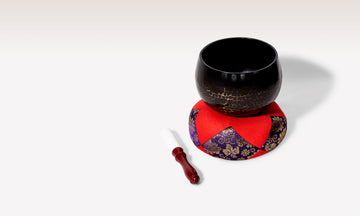
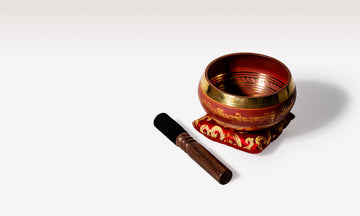
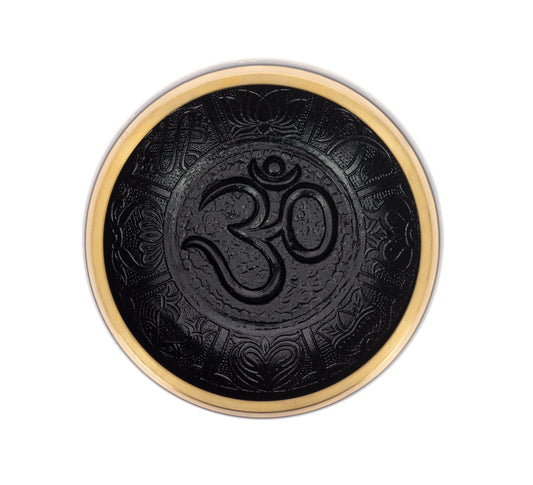
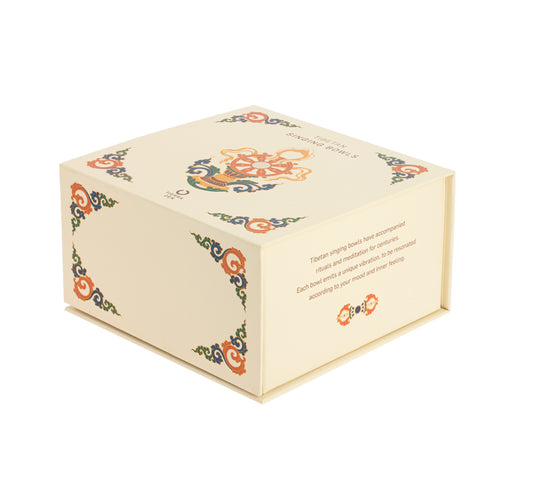
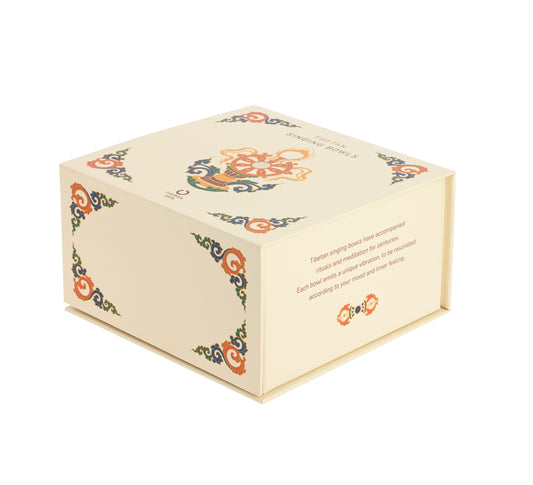
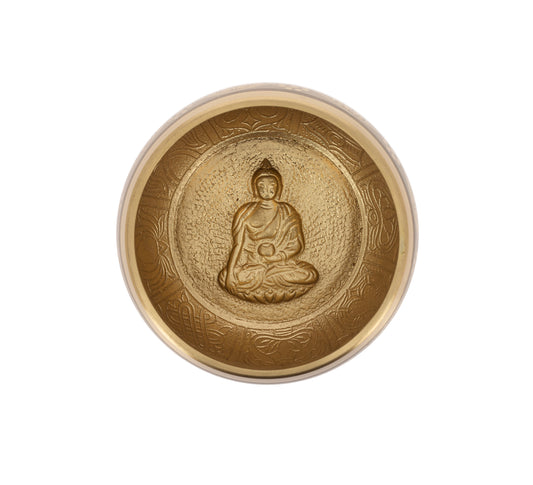
Meditation bells, Tibetan singing bowls, or instruments such as the mokugyo generate vibrations that help you centre yourself, let go of distractions, and close the session with a sense of integration. Each sound has its own character: some are brief and precise, while others are immersive and deep. The choice depends on your personal sensitivity and the type of meditation you practise.
Tradition and daily practice in harmony
Although many of these objects have ancestral origins, they are not intended to sit gathering dust on a shelf. They are tools for everyday use, designed to accompany you at home, in a dojo, or on a retreat.
From Zen-inspired pieces to more contemporary elements, this collection brings together durable materials, careful proportions, and sober finishes. Everything is designed to integrate into your space without unnecessary distractions. Fewer stimuli, more presence.