
Collection: Sound and Ritual
"When I listen to the bell, I can feel how my sorrow begins to dissolve, my mind calms down, my body gets relaxed. A smile appears on my lips. Following the sound of the bell, my breathing takes me back to the safe island of mindfulness." Thich Nhat Hanh
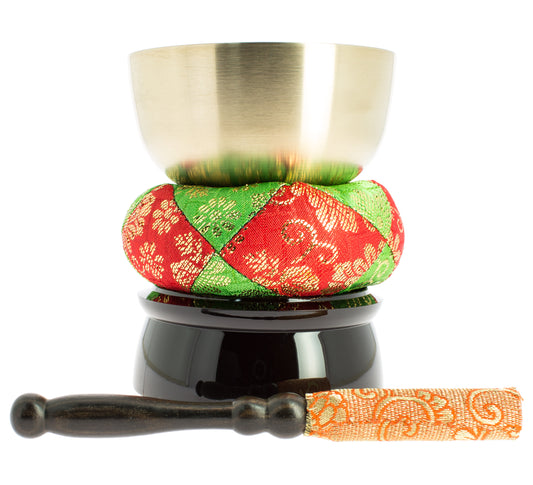
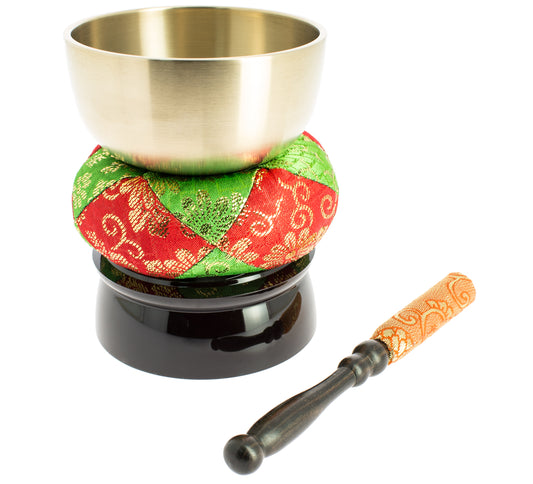
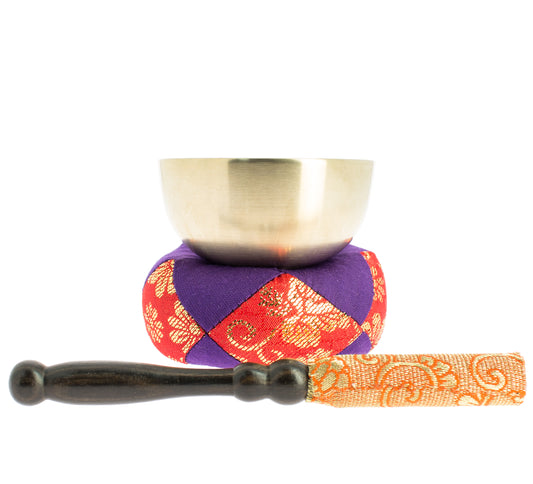
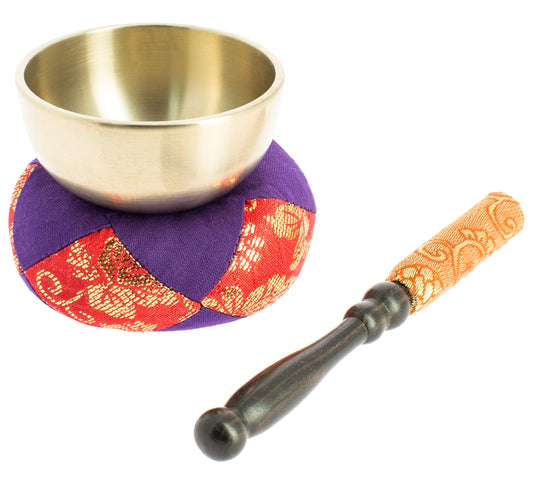
Find here the Dharma bell used by Thich Nhat Hanh along with Daitokuji temple bells, mokugyo and other items for your practice.

-
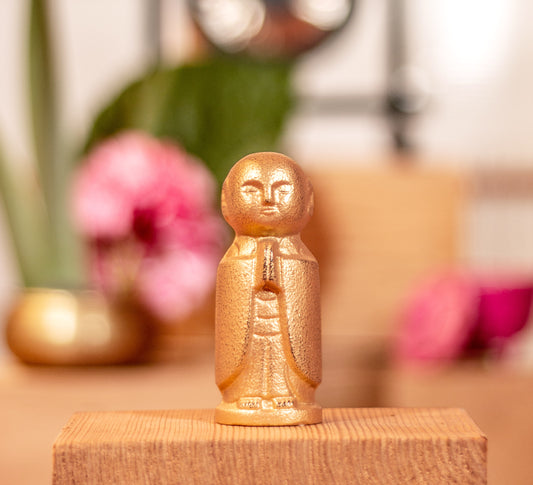
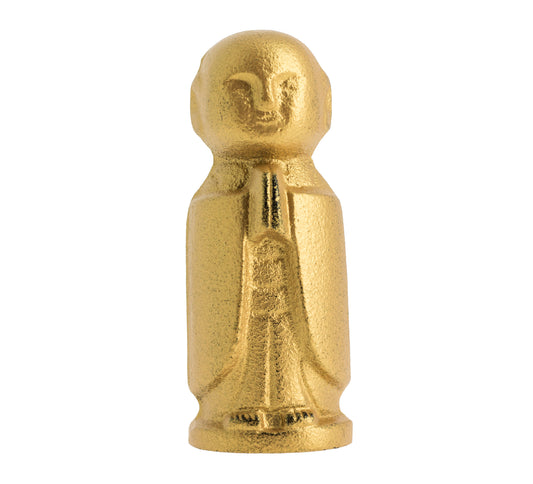
Protection Jizo - Golden
Regular price 57,90 €Regular priceUnit price per57,90 €Sale price 57,90 € -
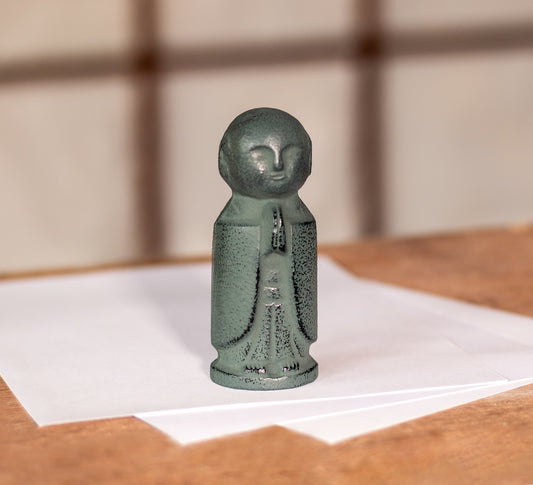
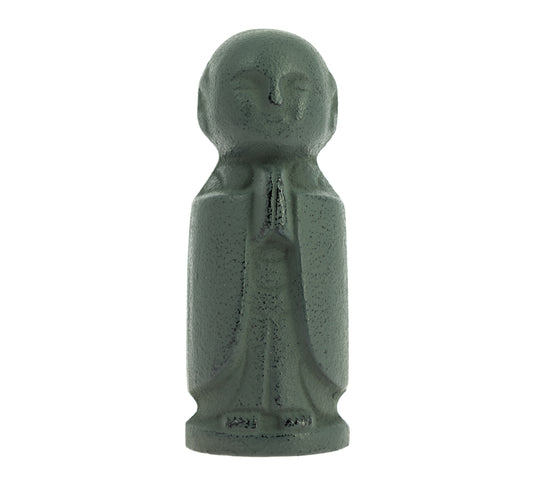
Protection Jizo
Regular price 57,90 €Regular priceUnit price per57,90 €Sale price 57,90 € -
Dharma Bell - 9 cm
Regular price 108,90 €Regular priceUnit price per108,90 €Sale price 108,90 € -
Dharma Bell - 7 cm
Regular price 65,90 €Regular priceUnit price per65,90 €Sale price 65,90 € -
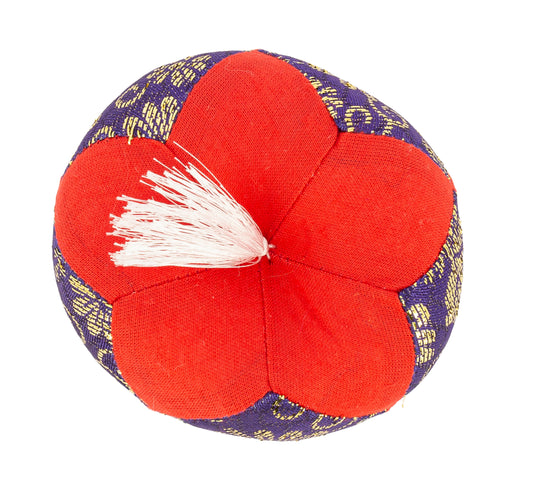
Brocaded Cushion - 8 cm
Regular price 16,60 €Regular priceUnit price per16,60 €Sale price 16,60 € -
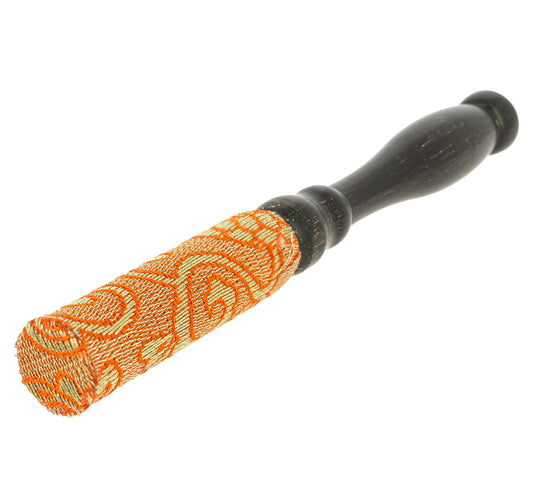
Brocade Mallet
Regular price 21,50 €Regular priceUnit price per21,50 €Sale price 21,50 € -
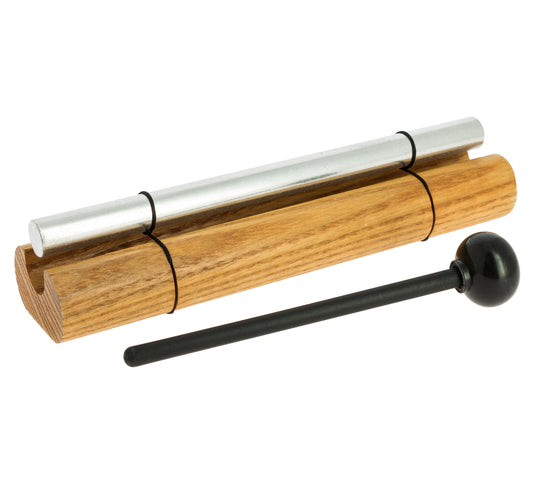
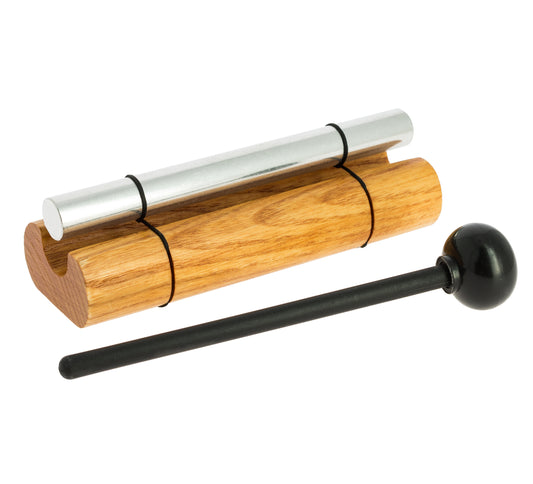
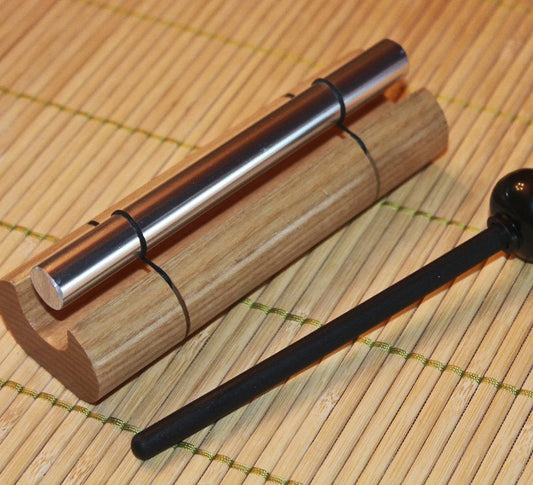
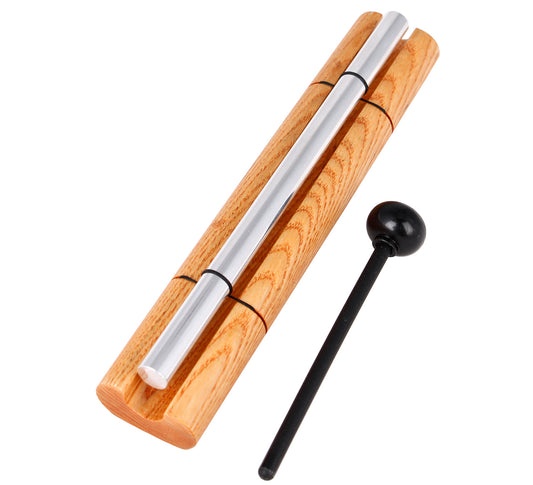
Zenergy Chime
Regular price 16,50 €Regular priceUnit price per16,50 €Sale price 16,50 € -
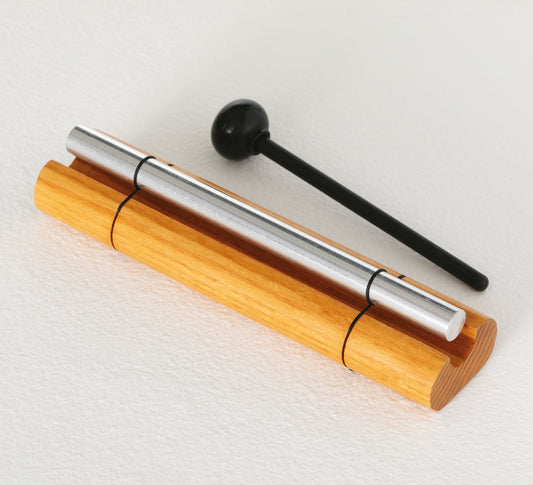
Zenergy Chime - Mini
Regular price 14,90 €Regular priceUnit price per14,90 €Sale price 14,90 € -
In-Kin 6 cm
Regular price 139,00 €Regular priceUnit price per139,00 €Sale price 139,00 € -
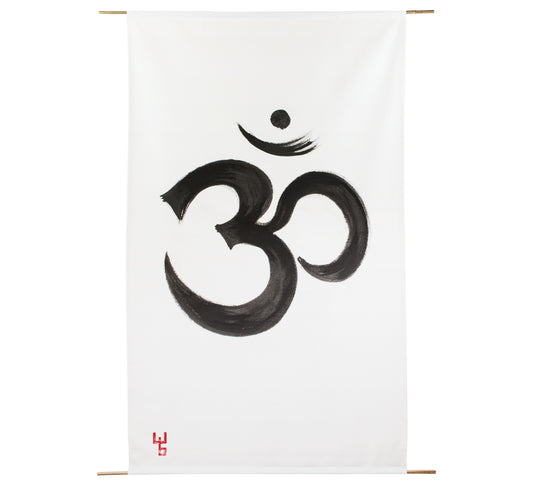
Om Painting
Regular price 79,00 €Regular priceUnit price per79,00 €Sale price 79,00 € -
En-so Painting
Regular price 79,00 €Regular priceUnit price per79,00 €Sale price 79,00 € -
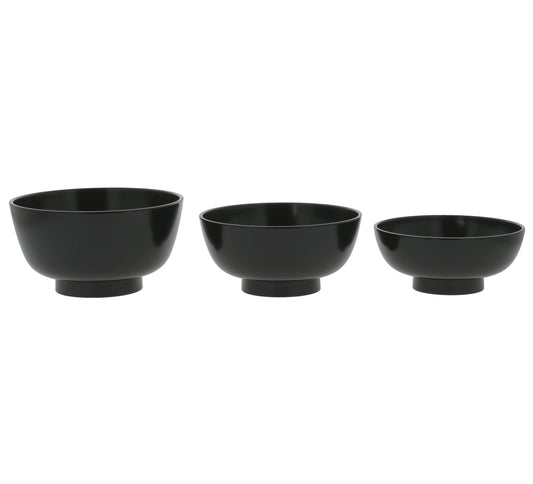
Oryoki Set - 3 Bowls
Regular price 54,40 €Regular priceUnit price per52,00 €Sale price 54,40 € -
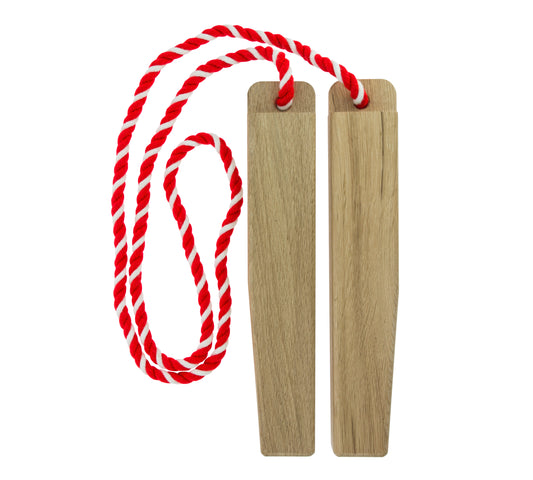
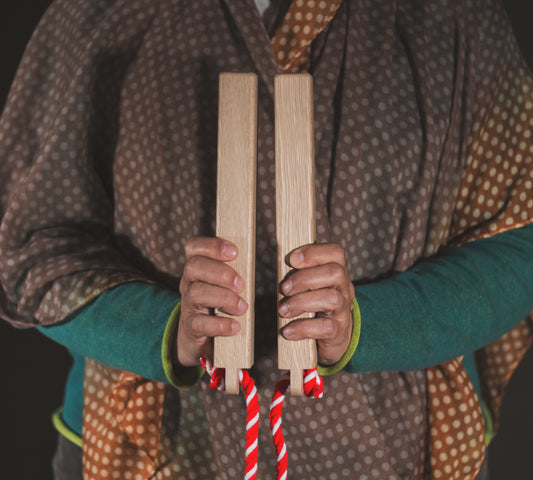
Hyoshigi Clackers - Ipe Wood
Regular price 140,00 €Regular priceUnit price per140,00 €Sale price 140,00 €Sold out -
Zenergy Chime - Deep Zen
Regular price 9,75 €Regular priceUnit price per19,50 €Sale price 9,75 €Sale