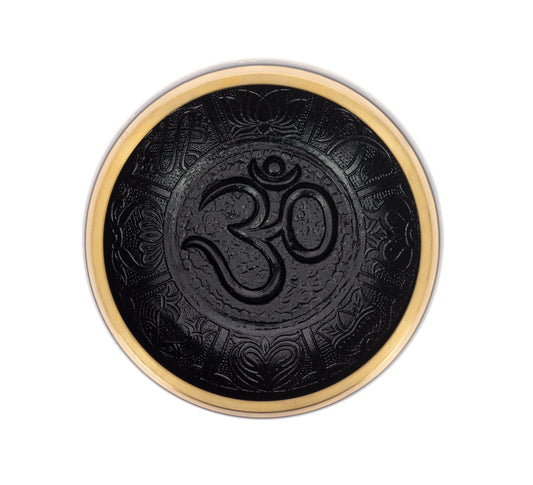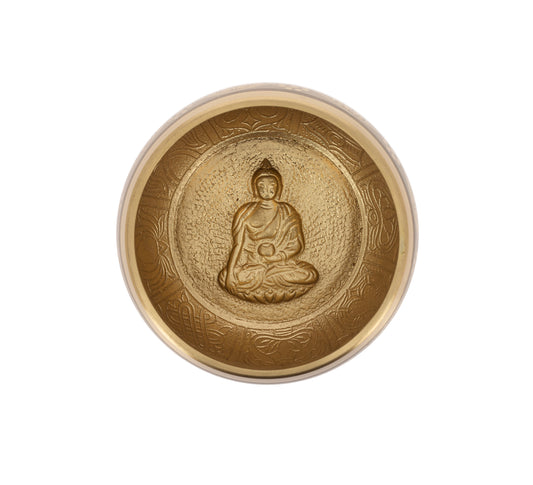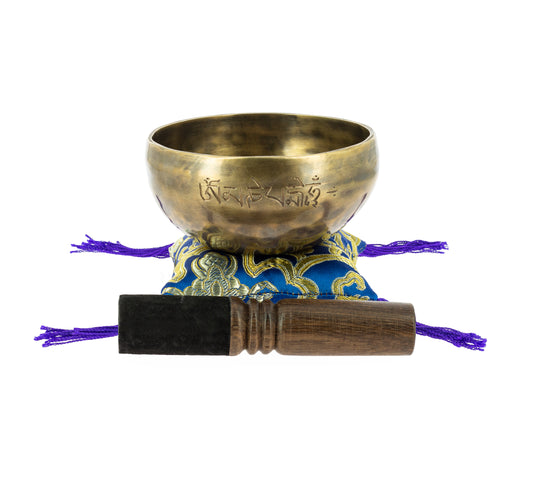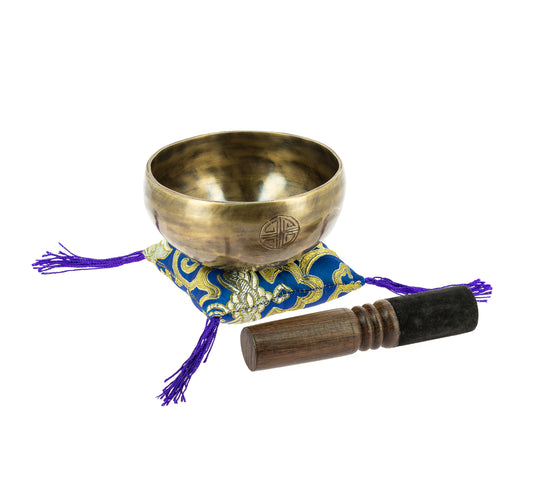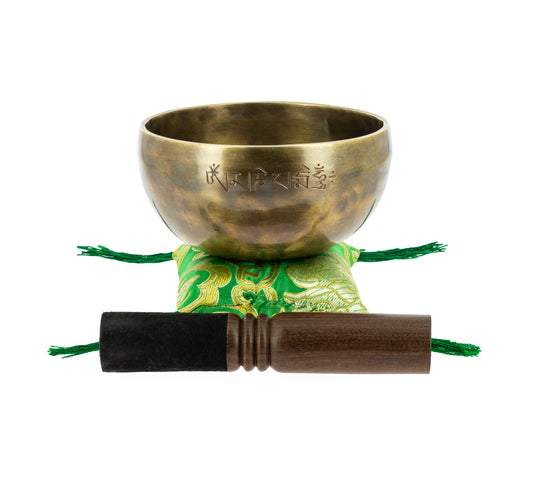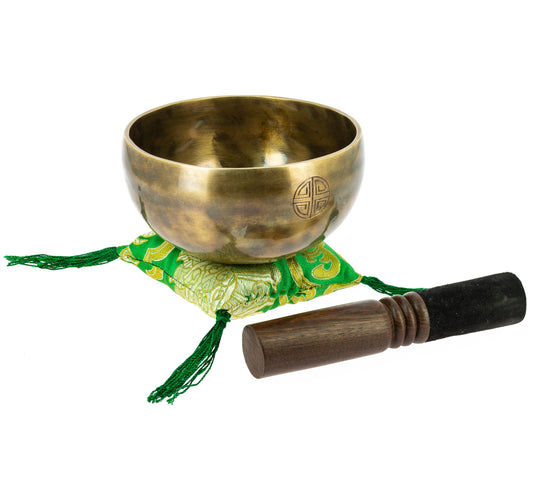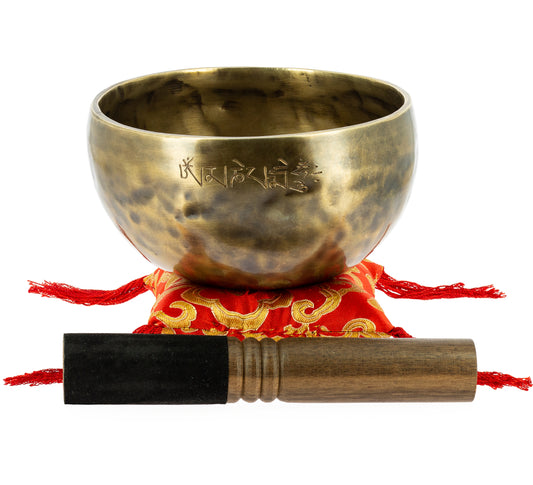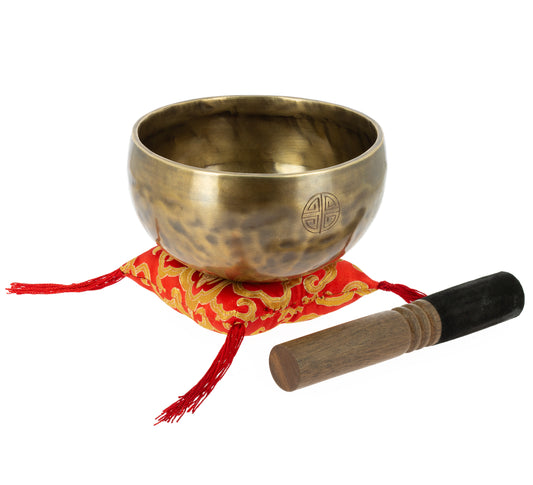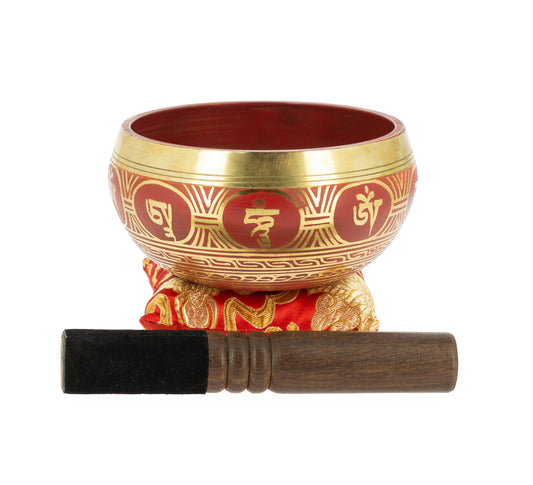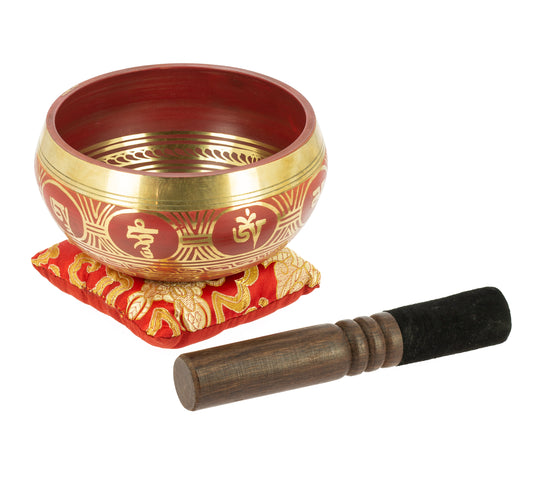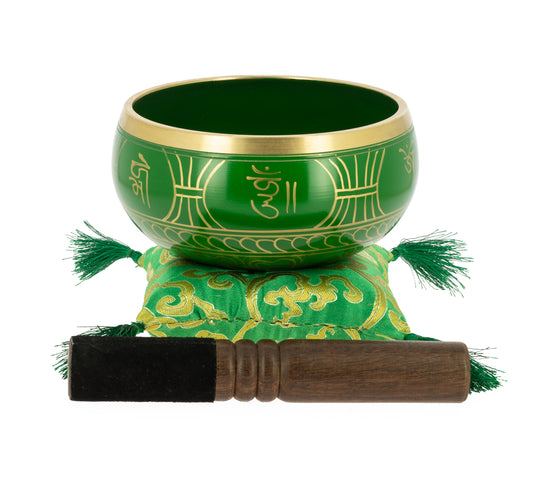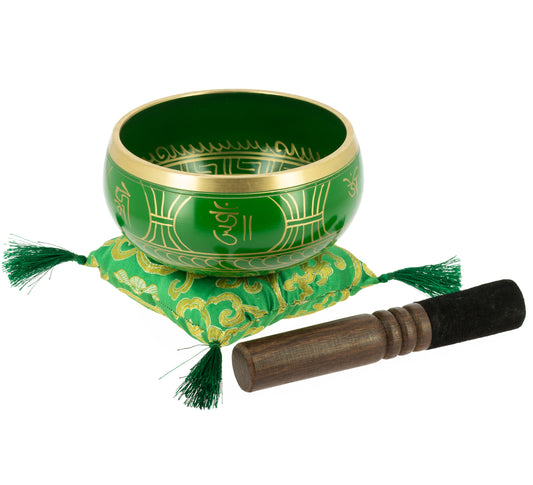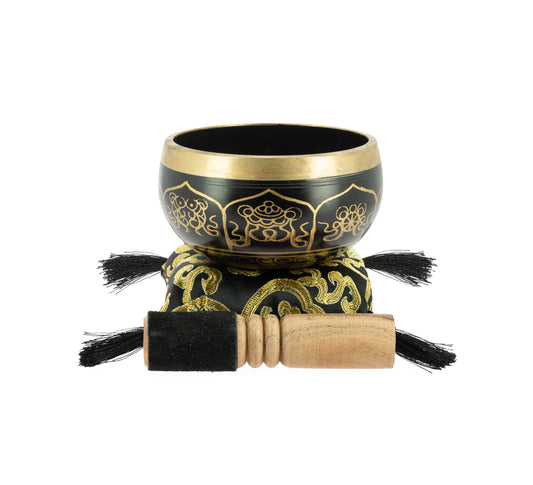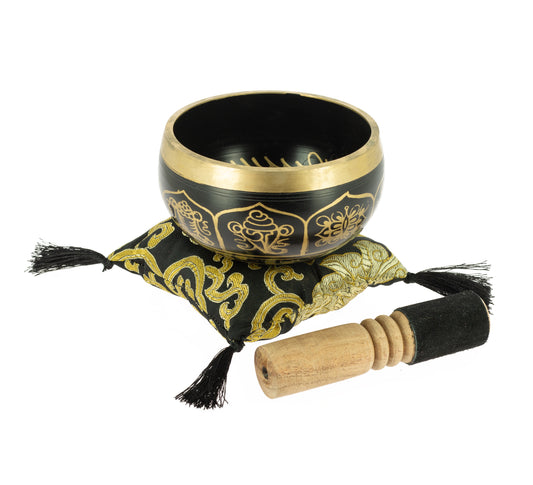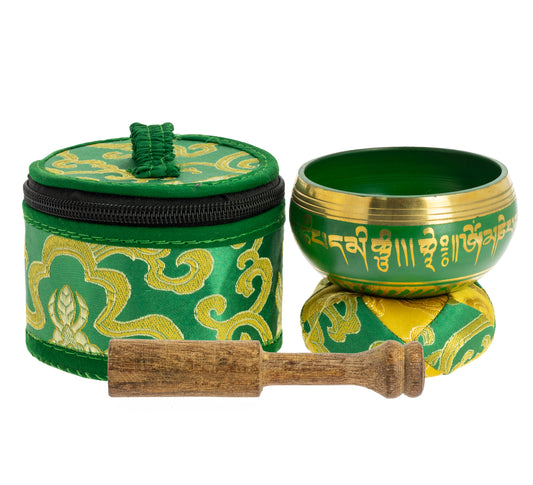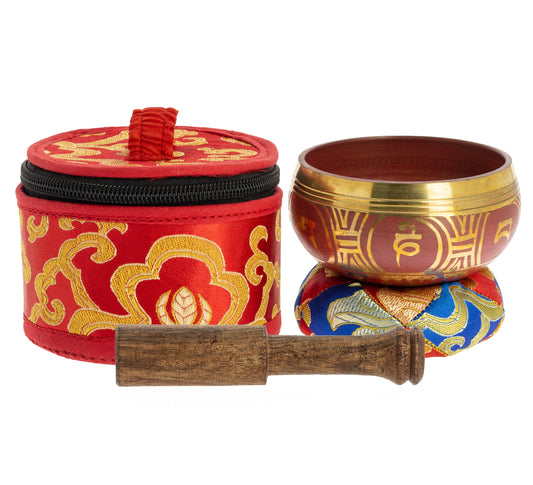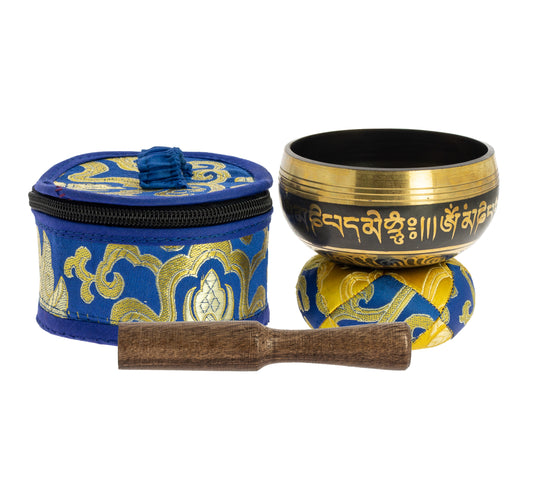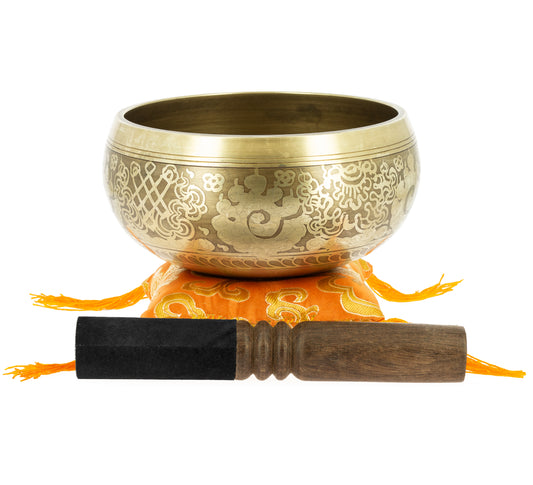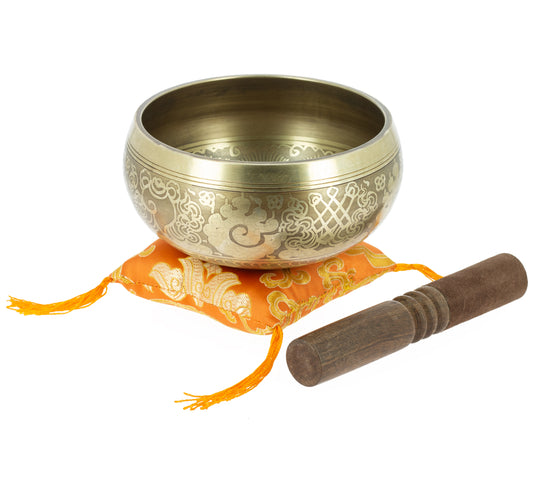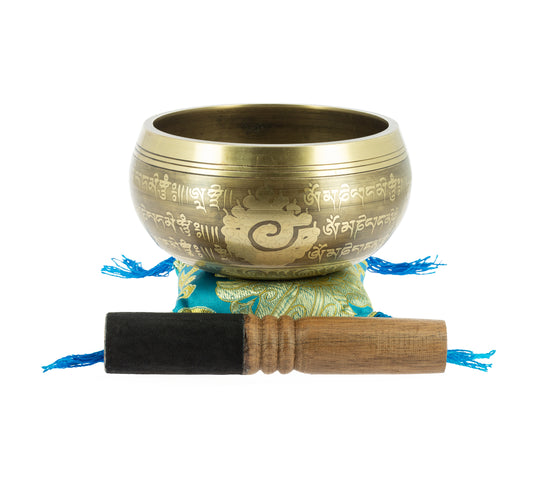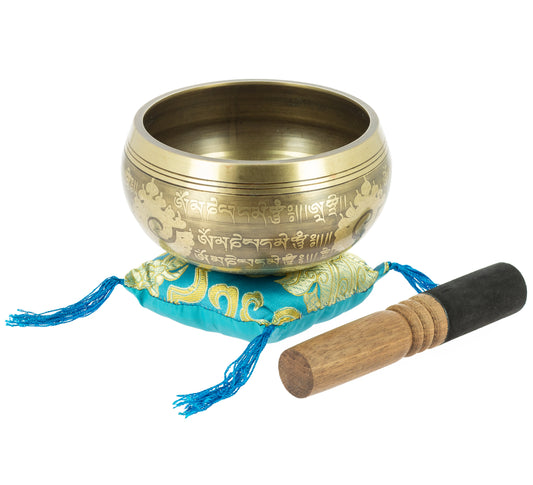

Collection: Tibetan Singing Bowls

Tibetan singing bowls were already in use 4000 years ago and had astrological, therapeutic and secret ritual uses. It is said that their playing eliminates tensions in the body and cleanses the environment of negative energies.

Each bowl has a unique sound and each person has a peculiar way of playing depending on his or her character or mood.

A Guide to Choosing and Using Your Tibetan Singing Bowl

Tibetan singing bowls—also known as healing bowls—are traditional sound instruments originating from the Himalayan regions. Used for millennia in meditative practices, spiritual rituals, and sound therapies, these bowl-shaped instruments are crafted from metal alloys. They produce a deep, vibrating resonance when rubbed or struck with a mallet, generating tones that help centre your attention and quiet the mind.

What makes a Tibetan singing bowl special?

When you play a singing bowl by sliding a mallet around its surface, it produces a resonant tone that expands into the space around you, harmonising with your breath and focus. These vibrations are said to relax the nervous system, reduce stress, and facilitate a deep meditative state. This is why they are a staple in sound therapy and energy healing sessions.

Additionally, they are frequently used as bells by gently striking the rim. In yoga practice, this resonance acts as a "sound anchor" that encourages deep concentration.

How to choose the right bowl

Every Tibetan bowl emits a unique sound composed of a complex set of musical notes. This "sound fingerprint" gives the bowl its richness and timbre. Consider the following points:

  • Size: Smaller bowls typically produce higher, lighter tones, making them suitable for individual meditation or small spaces. Larger bowls generate deeper, more immersive sounds, ideal for group sessions or deep relaxation.
  • Sound Quality: A high-quality bowl will hold its vibration (sustain) for longer and offer a rich range of harmonics, creating an "enveloping" acoustic experience.
  • Intended Use: If you want a companion for daily meditation, look for a balanced tone that invites stillness. For energy healing or sound baths, you might prefer a larger bowl or a set with varying tones.

How to use a Tibetan singing bowl

The most common use is as a ceremonial bell to mark the beginning and end of a meditation. However, there are other ways to integrate it into your wellness routine:

To calm the mind

Strike the bowl, listen, and breathe. Let the sound fade away completely before striking it again. Integrating deep breathing with the fading resonance helps unify the body, mind, and heart.

For sound massage therapy

The intense, prolonged vibration of the bowl can be felt as much as it is heard. This perception is heightened when the bowl is placed near the body, stimulating the organism to recreate its own harmonic frequency. This vibration tends to release tension and unblock energy in organs and meridians. The solar plexus (near the stomach) is particularly sensitive to this and often benefits from the bowl’s balancing effect during times of stress. You can perform this "massage" on yourself or another person.

Step-by-step instructions

  1. Find a quiet spot: A silent corner without distractions will help you hear and feel the vibrations more clearly.
  2. Create a stable base: Place the bowl on the palm of your hand, but never grip it firmly, as this will "choke" the sound. If working on someone else, ask them to lie down and place the bowl over the chakra you wish to target.
  3. Make it sing: Using a mallet (striker), tap the rim gently and then immediately begin sliding the mallet around the outer edge. Vary the pressure and speed until the bowl begins to "sing".

Pro Tip: If you play several bowls at once, the resulting vibrations create a layered effect that multiplies the therapeutic sound impact.

Note: You should stop playing the bowl if you find it difficult to maintain concentration or if the vibration starts to feel unpleasant.

Benefits you may notice

Tibetan singing bowls are valued for their ability to:

  • Induce states of deep calm and reduce stress.
  • Improve concentration and support mindfulness.
  • Provide a smoother transition into a meditative state.

Everything you need to know about Tibetan Singing Bowls

What size of bowl is best for meditating?

There is no fixed rule, but medium-sized bowls usually offer a balance between deep resonance and ease of use, especially for individual meditation.

Are Tibetan singing bowls only for meditation?

Although they are excellent for meditation, they can also be used in sound therapy, yoga, sound baths, or as a complement to other mindful practices, thanks to their ability to resonate with both body and mind.

Do I need experience to use a Tibetan singing bowl?

No. With a simple gesture—striking or rubbing with the mallet—you can produce a sound that helps centre your attention and support your practice, whether you are a beginner or experienced.

Can I use the Tibetan singing bowl every day? For how long per session?

Yes. The Tibetan singing bowl can be used daily without any problem. To unify mind and body, 3 to 10 minutes are enough to accompany breathing or create a state of calm. In longer sessions—such as deep relaxation or sound work—it can be used for 15 to 30 minutes, always listening to how your body responds and maintaining the sound in a gentle and mindful way.

How do I choose a bowl for a specific chakra?

Since a single bowl emits several notes and harmonics, it can act on different chakras at once, so it is not necessary to have one for each chakra.