A Guide to Choosing Your Meditation Zabuton
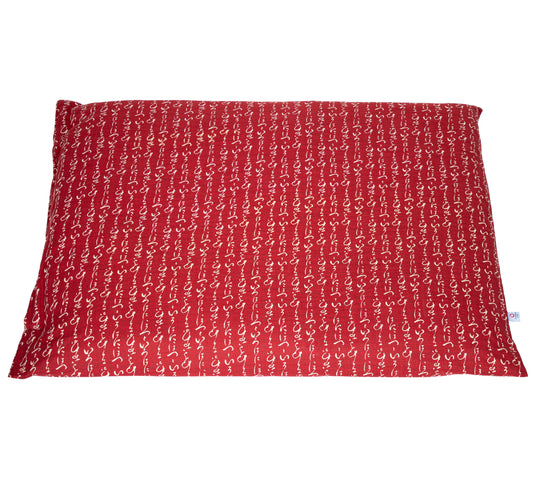
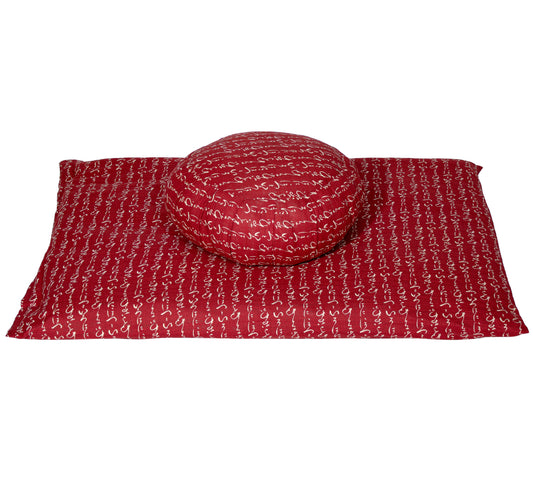
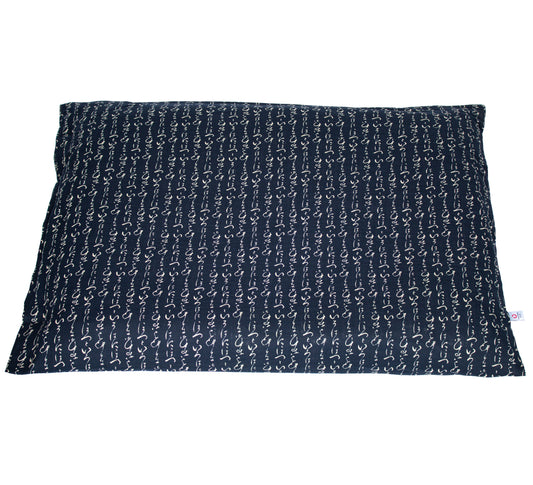
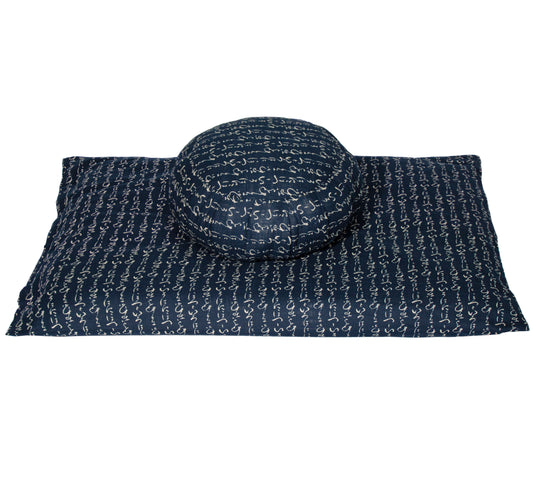
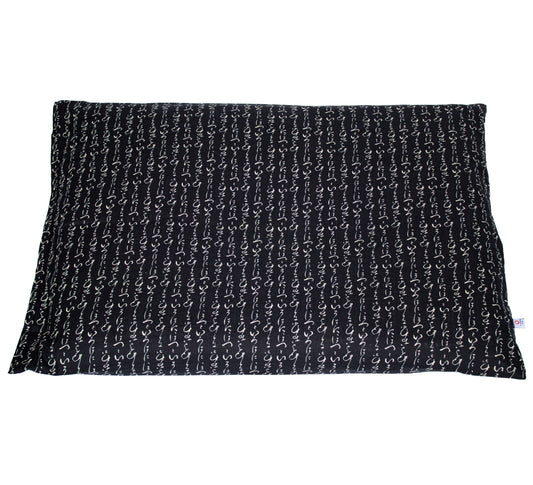
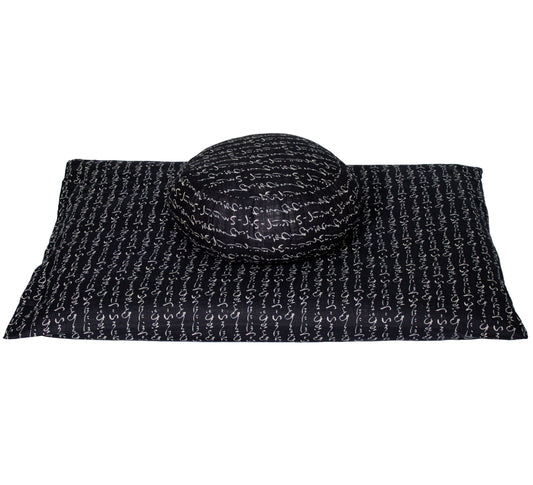
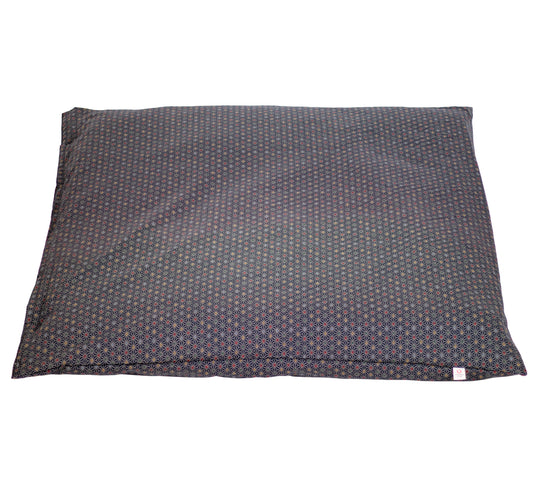
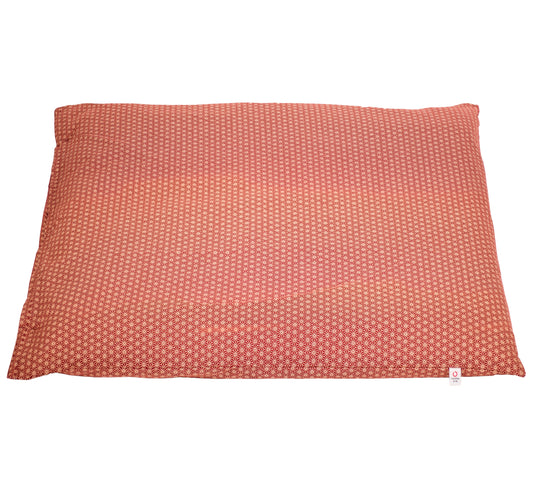
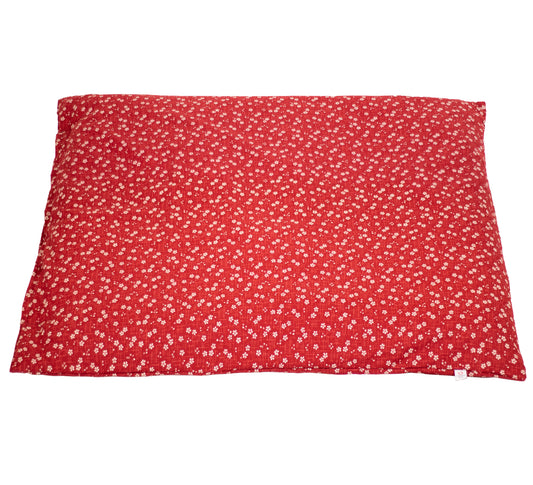
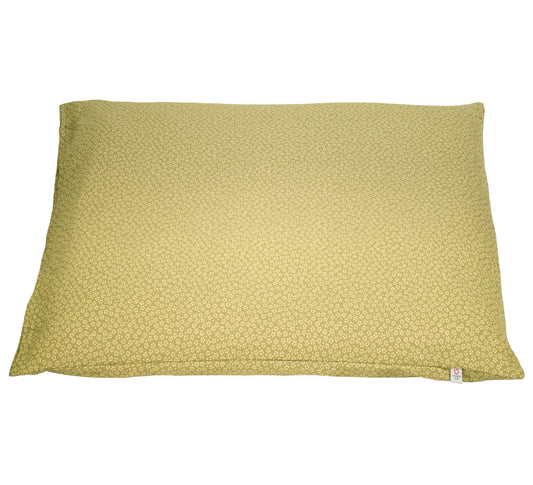
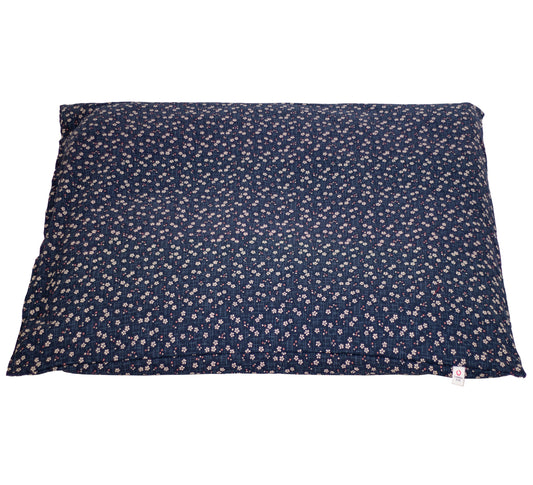
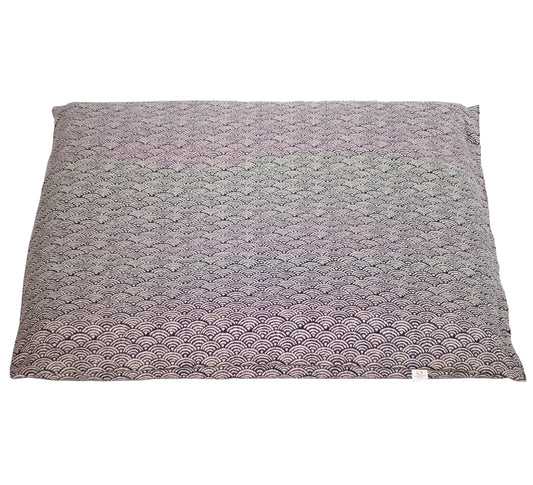
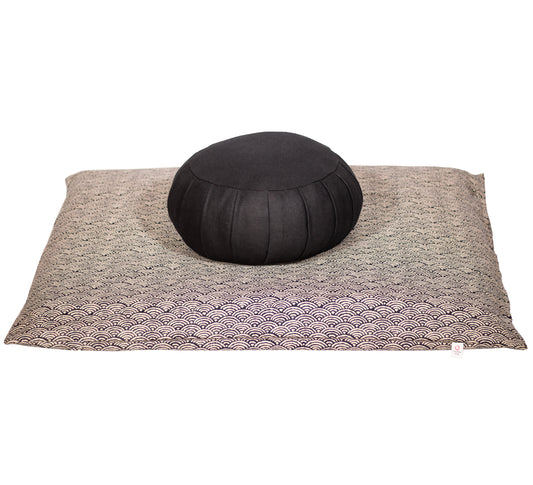
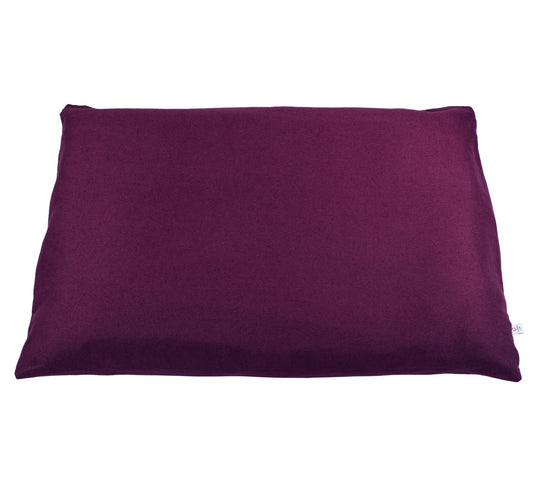
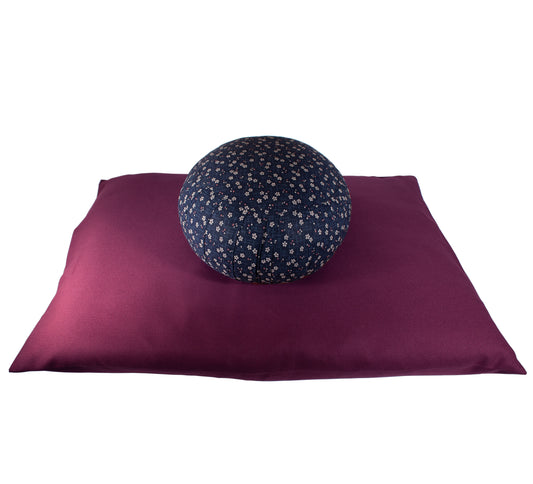
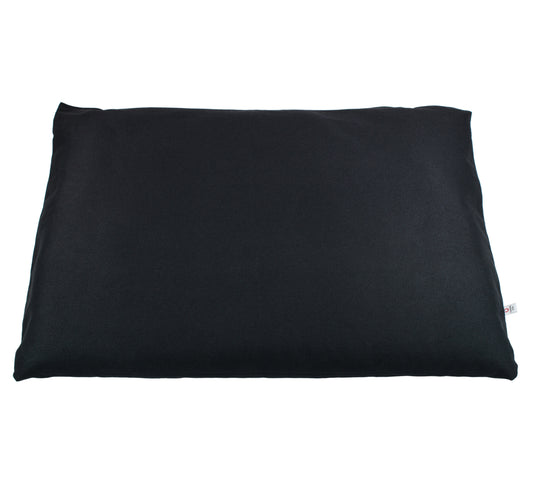
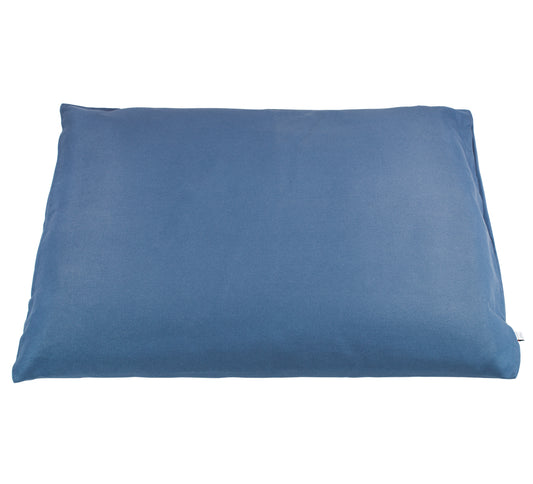
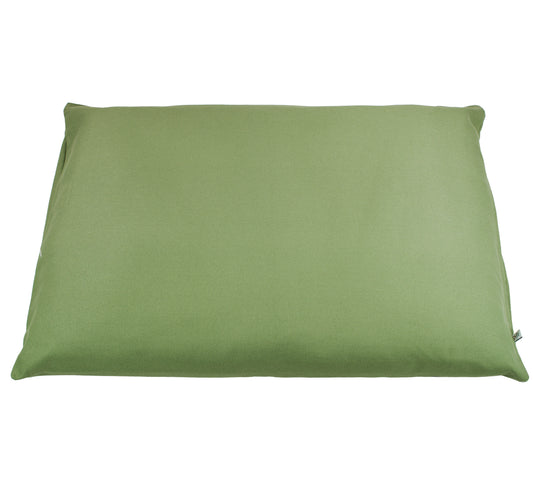
The zabuton is a foundational support for those who meditate on the floor. As the natural companion to the zafu or the meditation bench, the zabuton provides a spacious surface that protects your knees, ankles, and feet. By cushioning pressure against the floor, it allows your practice to be sustained with greater comfort and without physical distractions.
In this collection, you will find zabutons designed to accompany daily meditation, crafted from durable, natural materials that provide a welcoming base. Whether you practise seated on a zafu, with a bench, or directly on the floor, a quality zabuton transforms the physical experience and creates a space for stillness.
Why is a Zabuton Important?
Meditating without a proper base can lead to discomfort even after just a few minutes: knee pain, ankle tension, or uncomfortable pressure on the bones can divert your attention and cause the body to demand the spotlight. The zabuton acts as a functional buffer, creating a soft and stable surface that:
- Protects sensitive joints, whether you meditate cross-legged or in the seiza posture.
- Increases overall comfort, allowing the mind to focus on the breath and presence.
- Insulates you from the floor, providing warmth and softness.
- Frames your practice, defining the space dedicated to your meditation.
How to Integrate the Zabuton into Different Postures
With a Zafu
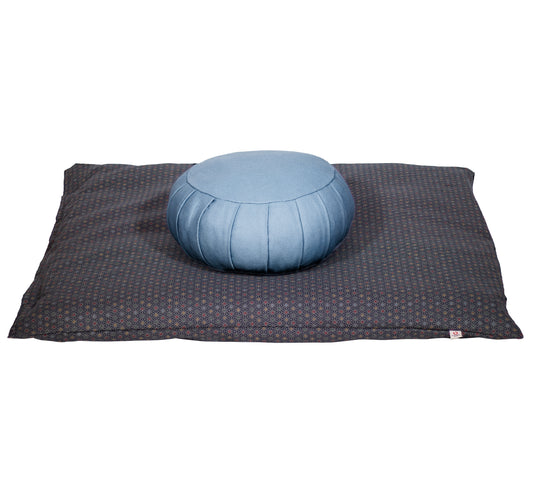
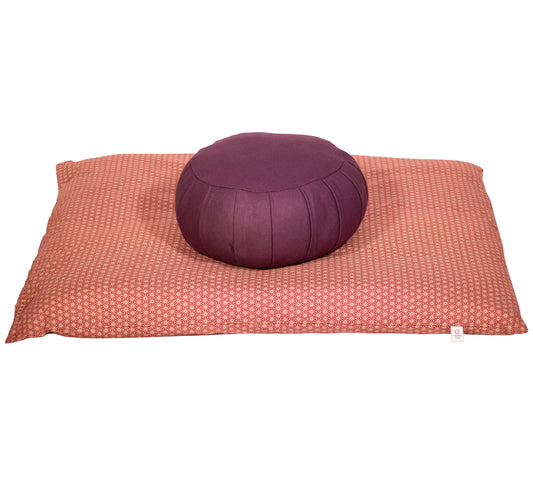
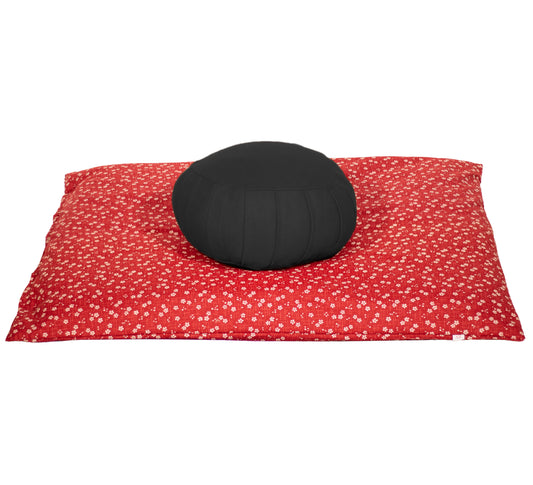
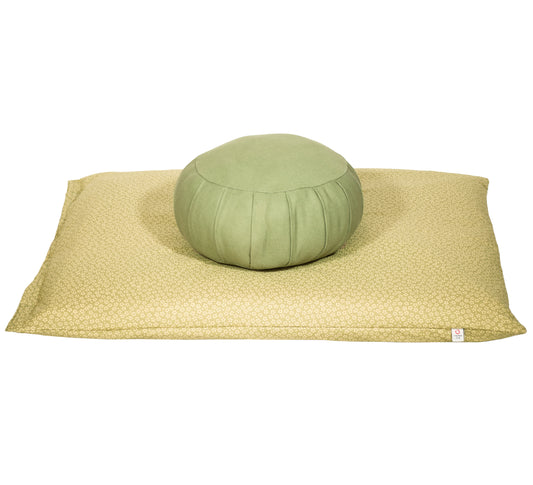
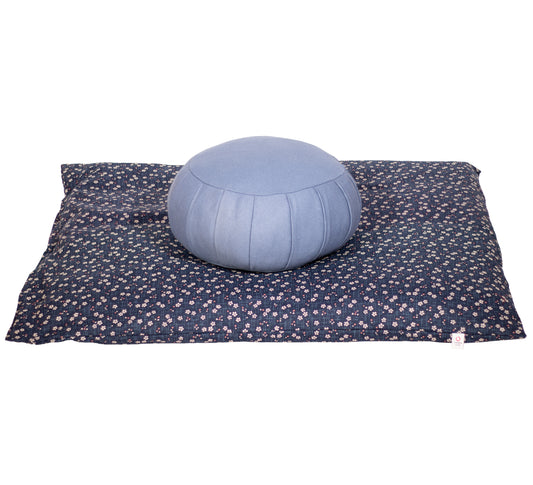
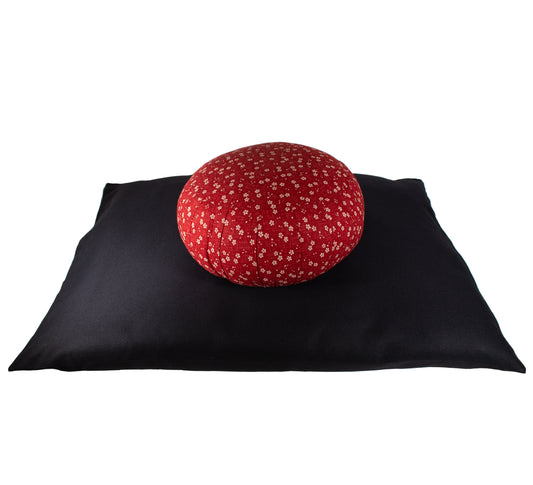
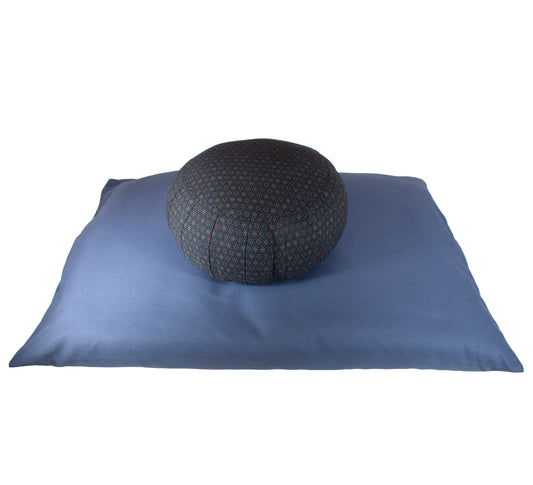
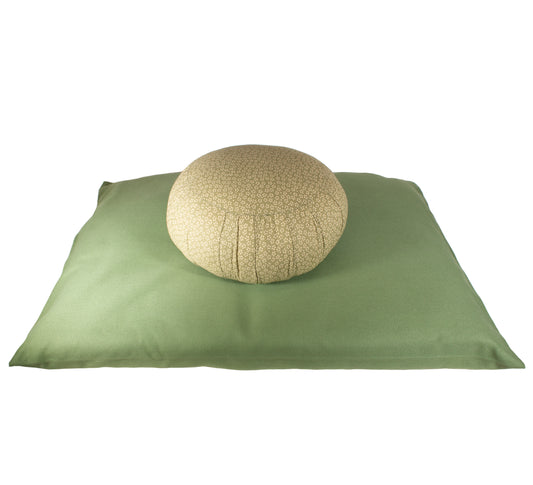
Placing the zabuton beneath the zafu creates a classic, balanced combination: the zafu elevates the hips to align the spine, while the zabuton softens the surface for the knees and feet. This is ideal for cross-legged, lotus, or half-lotus postures.
With a Meditation Bench
Although a meditation bench already relieves pressure from the knees and ankles, a zabuton provides an additional level of comfort and a warmer, more stable base for the legs and feet—especially if you spend extra time seated before or after your practice.
Directly on the Floor
If you prefer to meditate without elevation, the zabuton can be used on its own as a padded surface to protect pressure points and reduce the hardness of the floor.
Materials, Padding, and Care
The zabutons in this collection are made from 100% natural materials, chosen to provide long-lasting comfort: a durable cotton outer cover and a cotton inner case with wool layers that maintain their loft and padding for years.
To care for your zabuton:
- Air it out regularly to maintain the lightness of the padding.
- Wash the removable cover whenever necessary.
- Avoid prolonged moisture to keep the natural filling in optimal condition.
Benefits You Will Notice in Your Practice
Integrating a zabuton into your meditation space may seem like a small detail, but its impact is significant. By reducing physical discomfort, it allows you to meditate for longer with fewer interruptions, sustain calm with less effort, and deepen your attention without the body "pulling" you out of the posture.
It is not just about comfort; it is about creating a stable, respectful base for your body so that your mind can unfold with greater ease.