A Guide to Choosing and Understanding Your Daruma
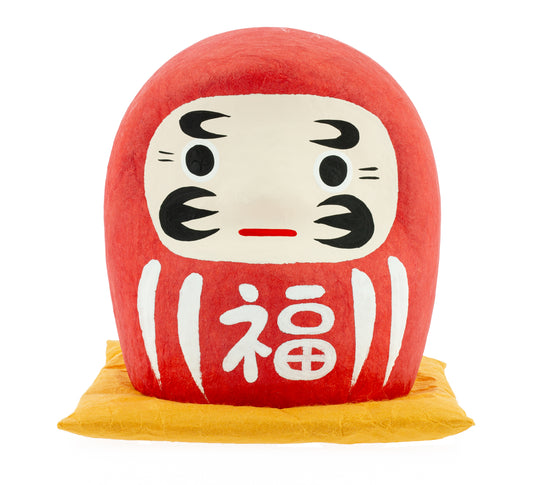
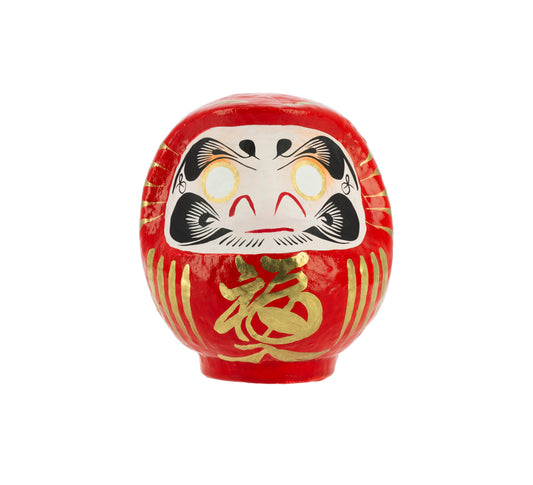
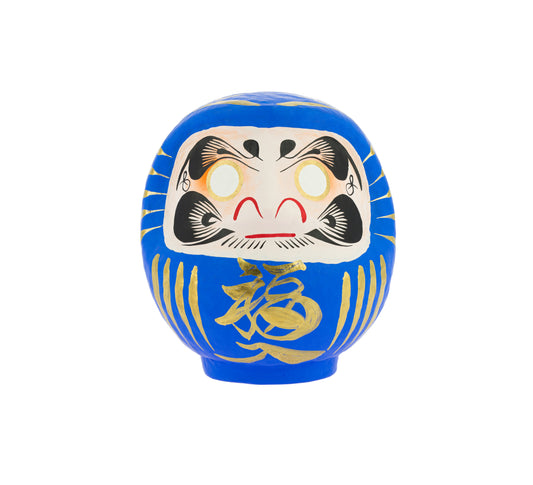
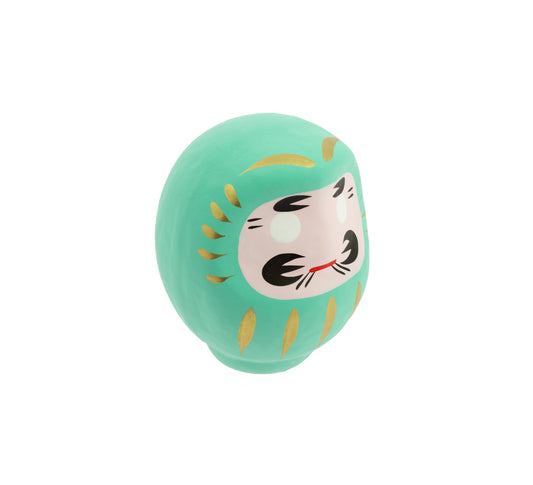
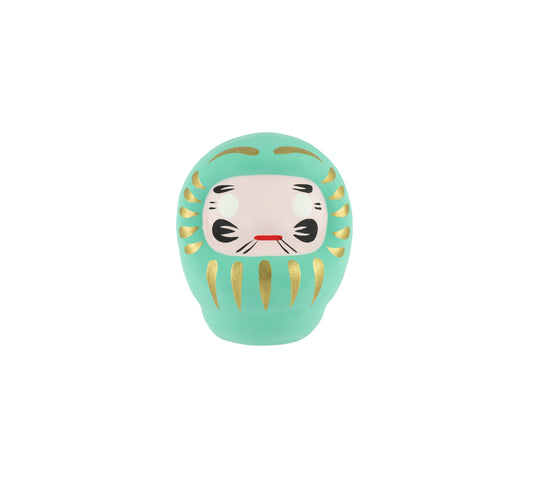
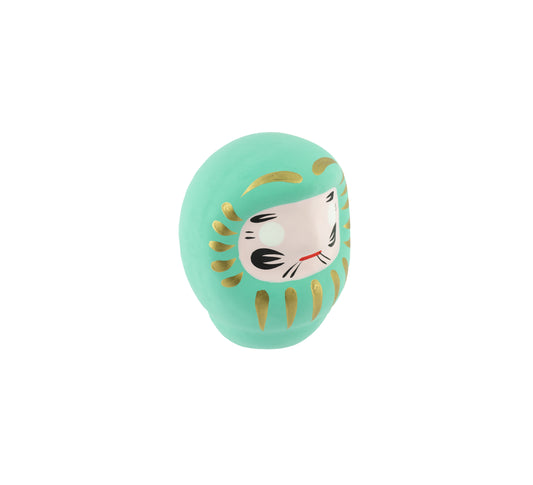
The Daruma is a traditional Japanese figure steeped in symbolism, history, and purpose. Inspired by Bodhidharma, the Buddhist monk regarded as the founder of Zen, the Daruma represents perseverance, intention, and resilience. Its rounded shape and fixed gaze—with eyes initially left unpainted—make the Daruma a visual ally for setting goals, cultivating discipline, and accompanying processes of personal transformation.
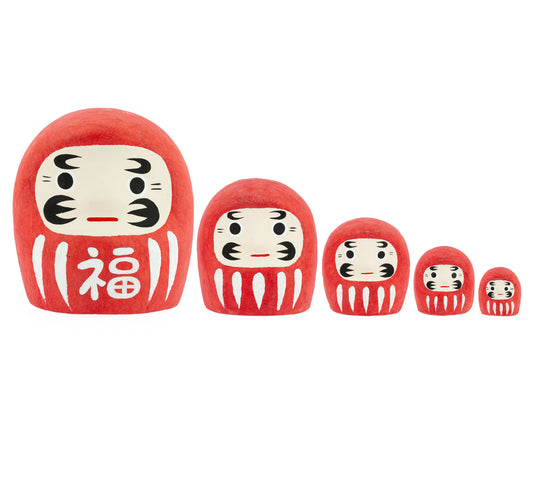
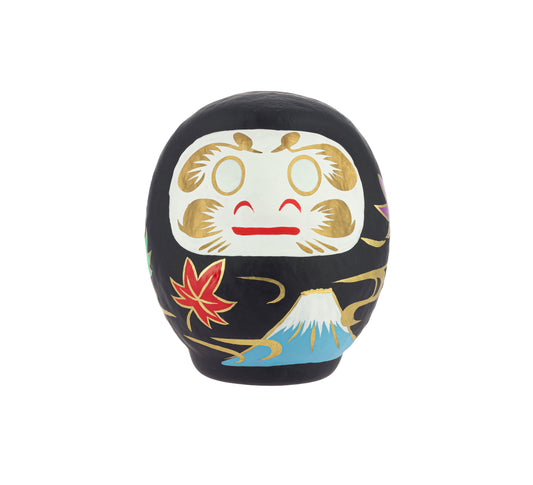
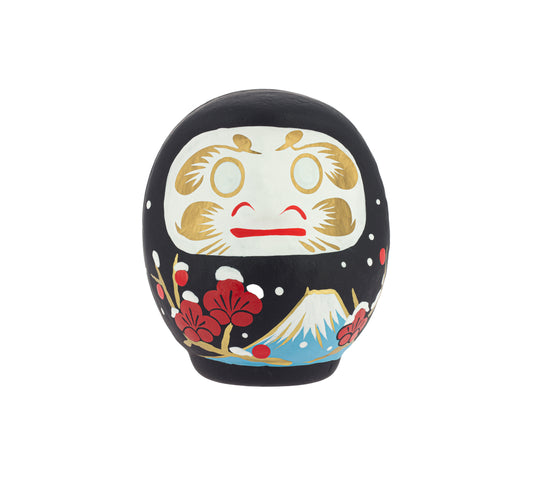
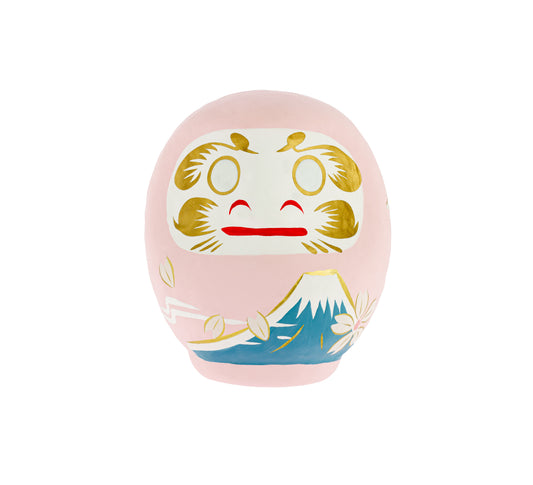
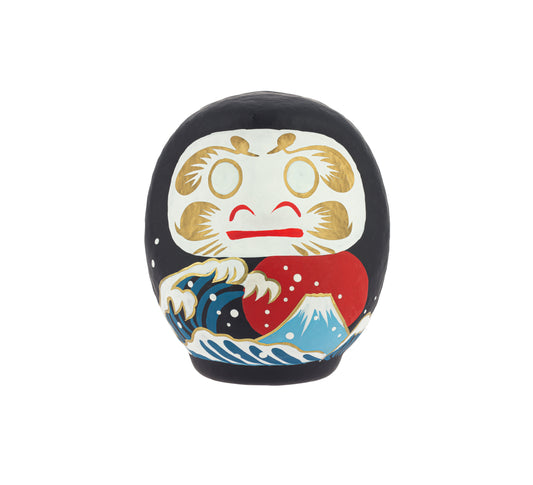
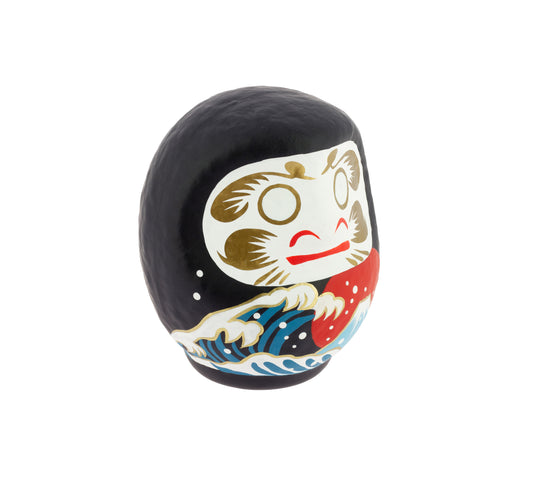
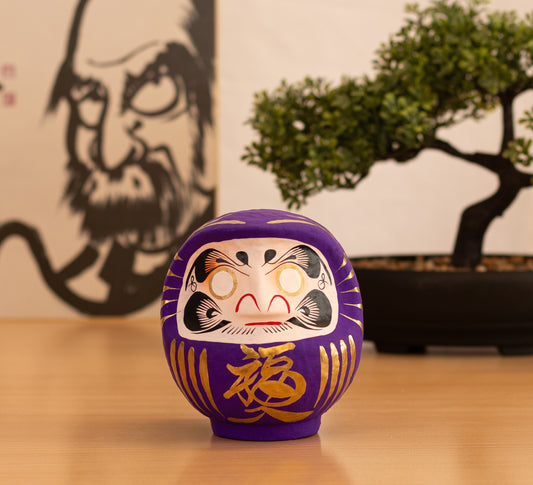
In this collection, you will find various Daruma models, each with its own size, design, and particular meaning, designed to integrate seamlessly into a meditation space, your home, or your workplace.
Origin and Symbolism
The figure of the Daruma has deep roots in Japanese culture. Legend says that Bodhidharma, after meditating for nine years, lost the use of his arms and legs; hence his representation without limbs and a weighted shape that causes it to right itself if pushed—a powerful symbol of resilience and "falling seven times, standing up eight."
Traditional Darumas are used to set clear intentions or goals. When you acquire one:
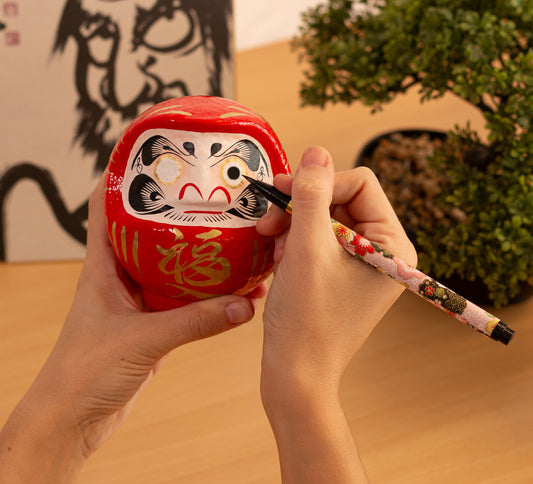
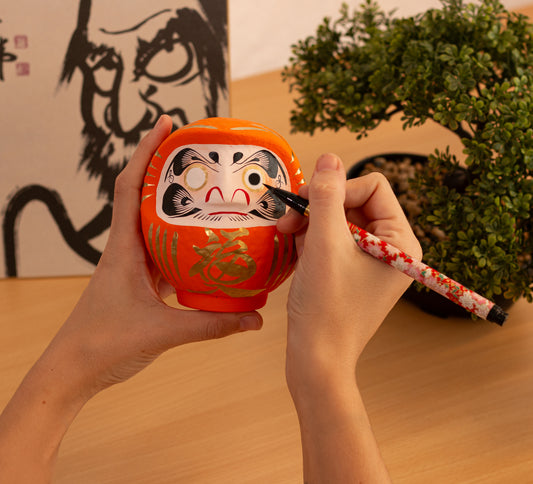
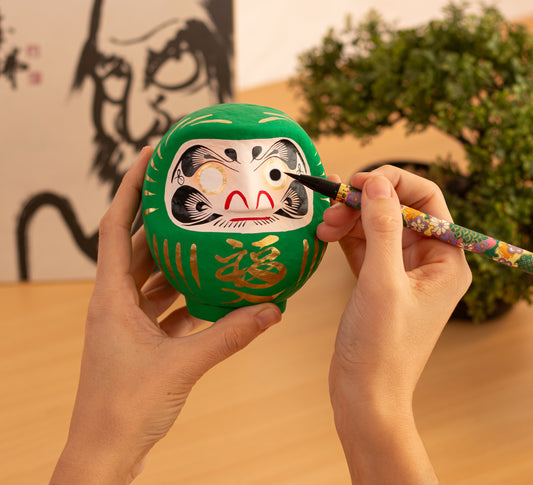
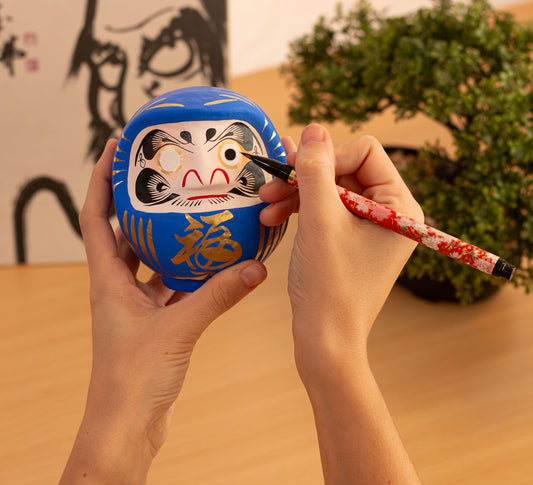
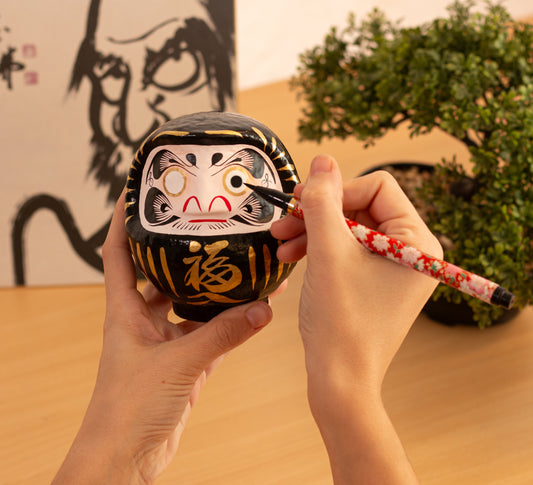
- The first eye (usually the left) is painted while formulating a specific intention (be it a personal, professional, or spiritual objective).
- The second eye is painted only when that goal is reached, serving as a gesture of closure, gratitude, and recognition of the effort made.
How to use a Daruma
- Define your intention or goal: Before painting the first eye, clearly visualise what you want to achieve or which quality you wish to cultivate.
- Paint the first eye with intention: Focus deeply on your goal while performing this simple yet highly symbolic gesture.
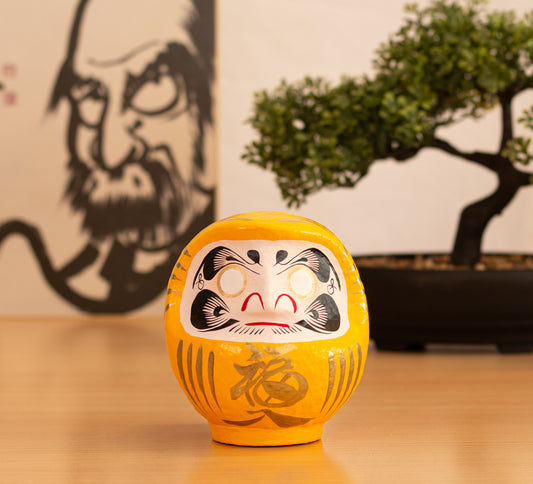
- Place your Daruma in a visible spot: Whether it is your meditation corner, your desk, or a shelf you pass every day, keep it where it can catch your eye.
- Cultivate daily actions: Beyond the symbol, it is your consistency and commitment that transform intention into reality.
- Paint the second eye upon achievement: This final act represents gratitude and completion, acknowledging the path you have travelled.
This ritual is not superstition; it is a concrete way to materialise intention and sustain it visually and emotionally in your day-to-day life.
Types of Daruma and their Meaning
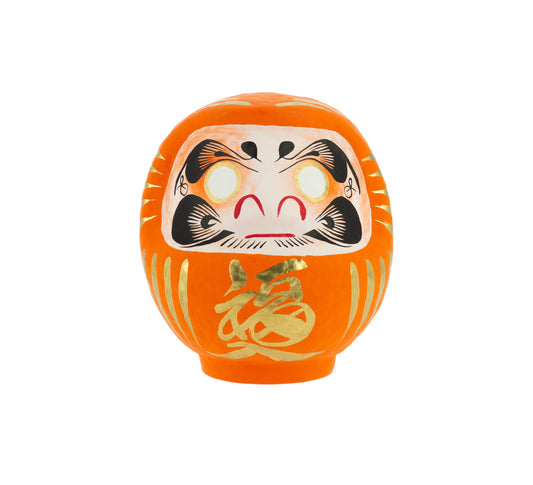
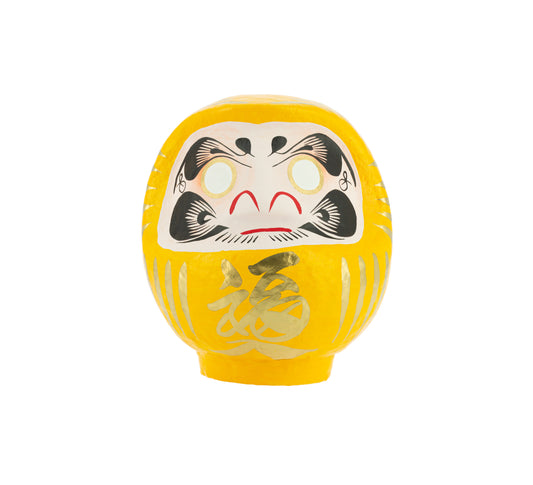
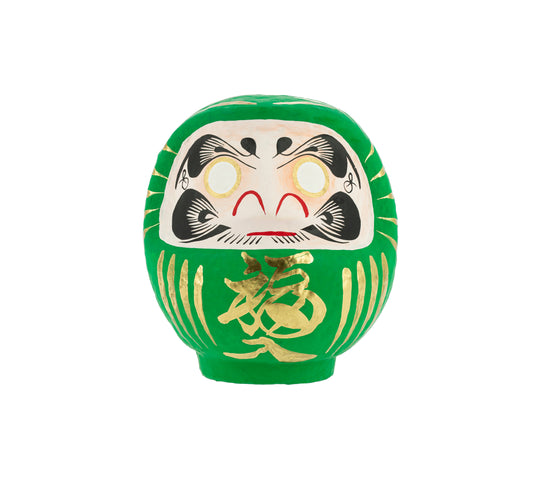
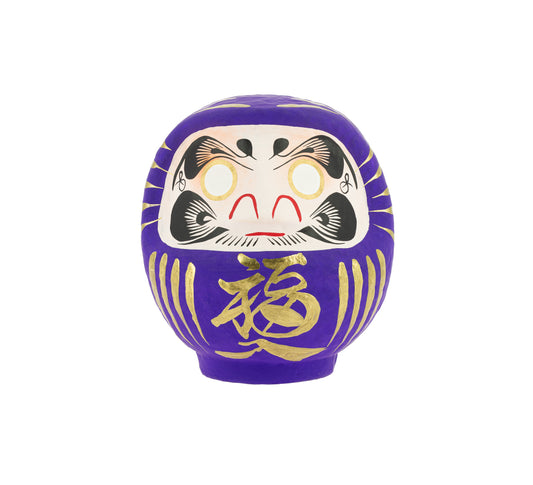
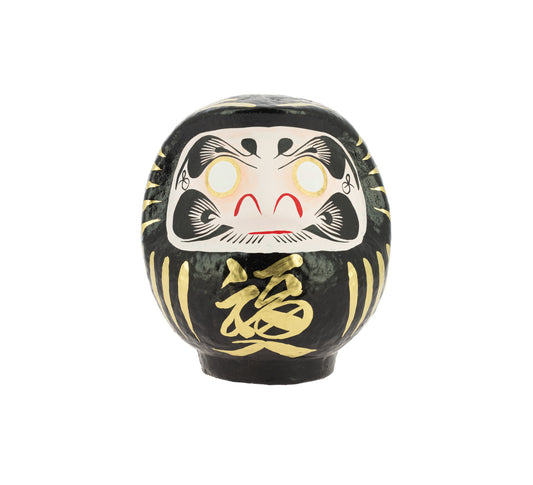
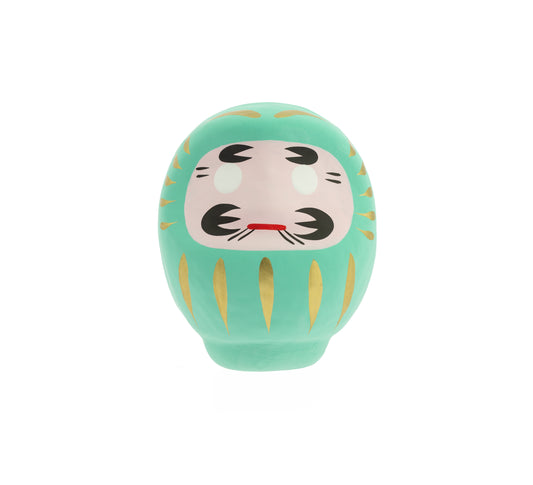
While the traditional Daruma is red, different colours are now associated with specific types of intentions:
- Red: For protection, good fortune, and general strength.
- Gold: For financial success, prosperity, and luck in business.
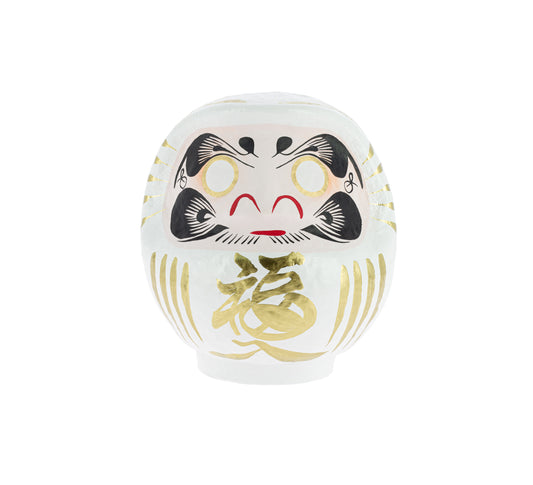
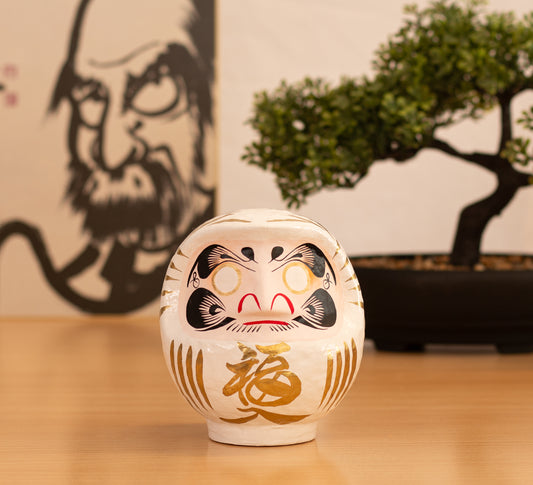
- White: For purity, peace, and new beginnings.
Choose the one that best resonates with your purpose, your space, and your personal practice.