Complete Guide to Choosing Your Meditation Cushion or Bench
A meditation cushion is an essential support for your posture, your comfort, and, ultimately, your mindful practice. Sitting on the floor without support can be uncomfortable or even painful over time; a proper cushion elevates the hips, aligns the spine, and allows your breath and attention to unfold naturally and without tension.
In this collection, you will find a variety of cushions—from traditional zafus to ergonomic options and combinations with zabutons—and benches designed to accompany both beginners and advanced meditators. Each model responds to postural needs, practice styles, and personal preferences, with materials and shapes that promote a more stable and comfortable meditation.
Why use a meditation cushion?
The seated position is central to many contemplative practices, but maintaining it for long periods can be challenging if the body is not well-supported. Meditation cushions help to:
- Elevate the hips and encourage an upright posture, facilitating the natural tilt of the pelvis and reducing pressure on the lower back.
- Create a stable base on three points: both knees and the tailbone.
- Reduce tension in knees and ankles, allowing energy to focus on the breath and attention instead of physical discomfort.
- Create a “mindful space,” transforming a corner of your home into a place dedicated to presence, calm, and daily practice.
Types of cushions and their uses
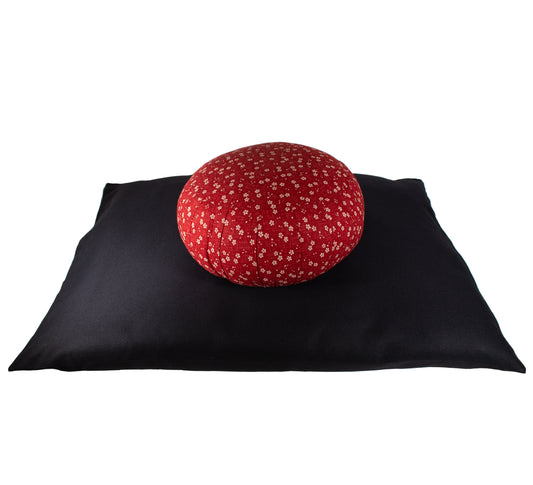
Zafu — The classic round cushion
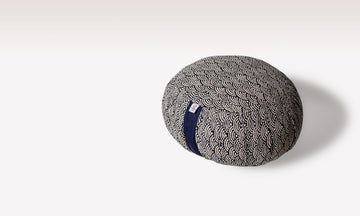
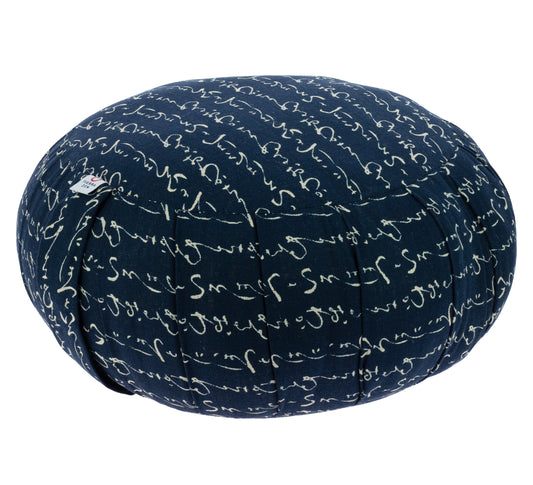
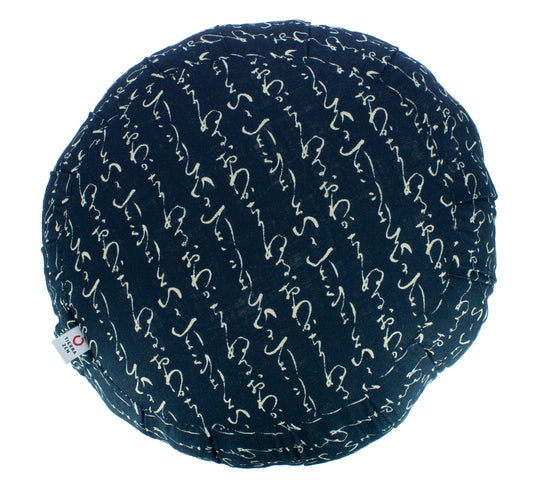
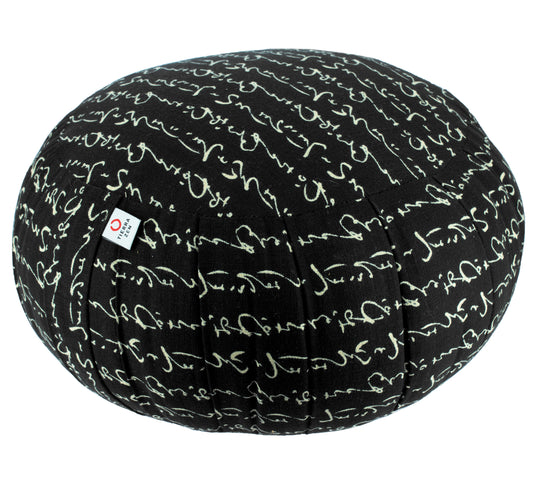
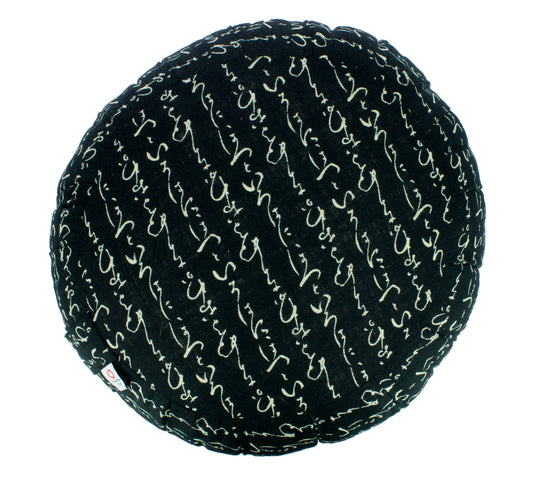
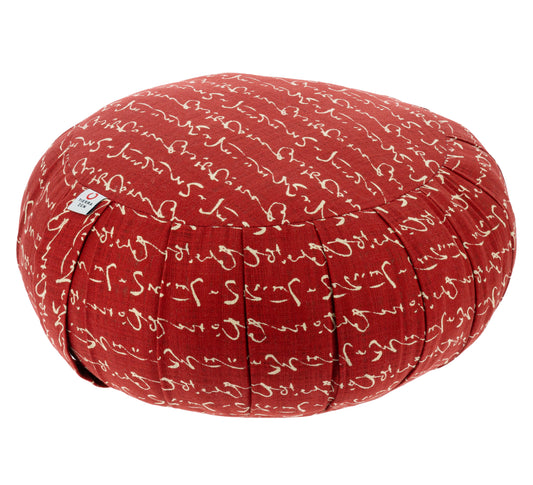
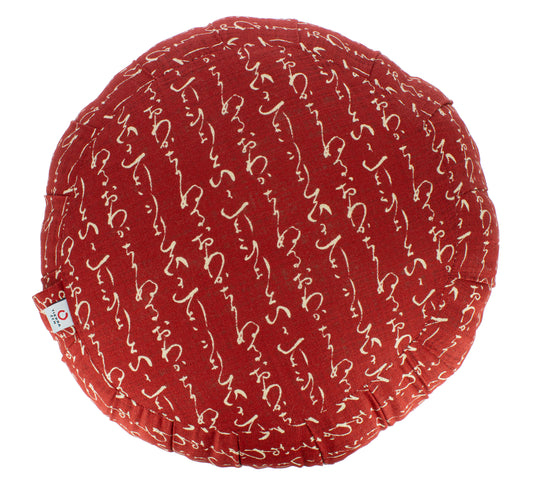
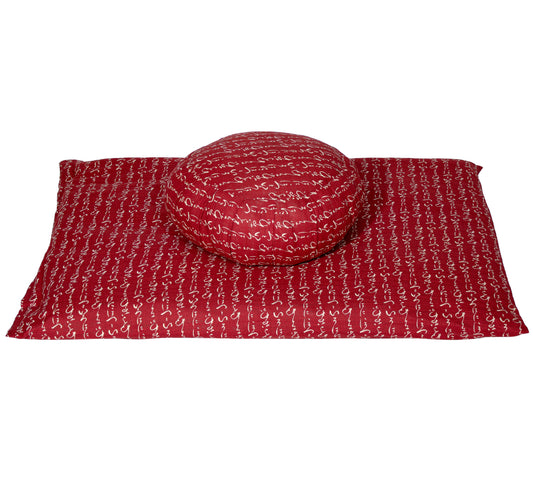
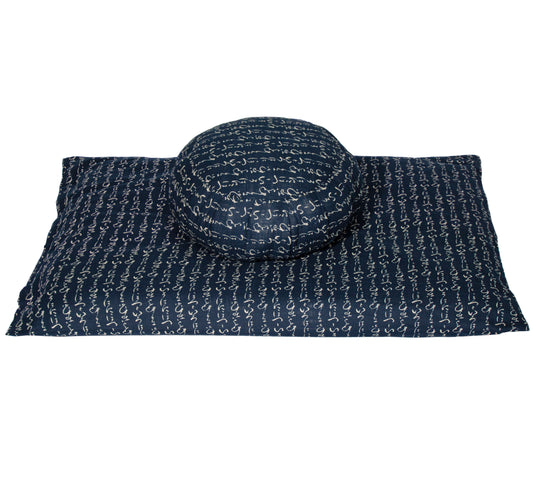
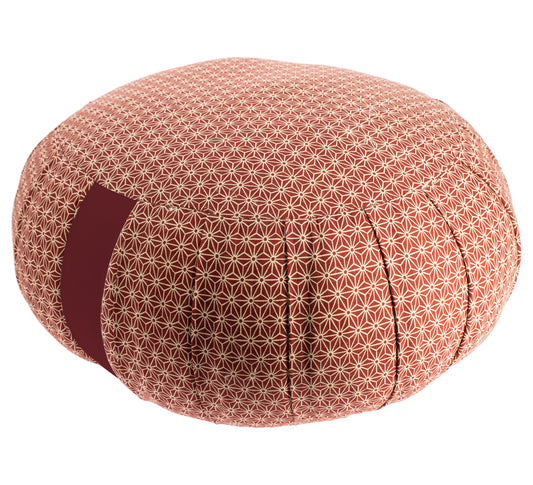
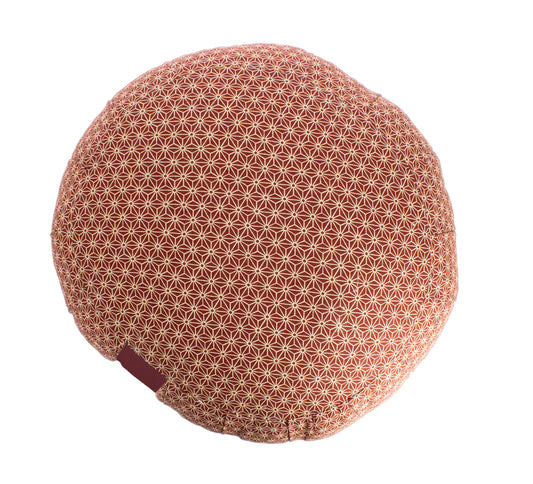
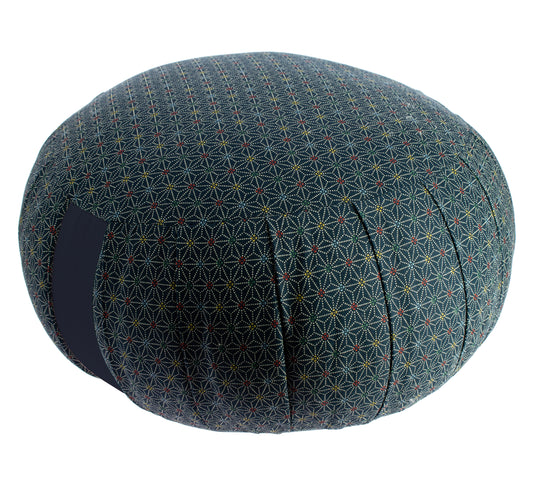
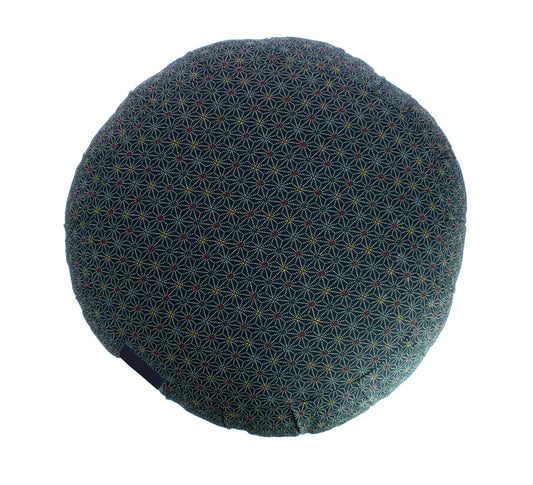
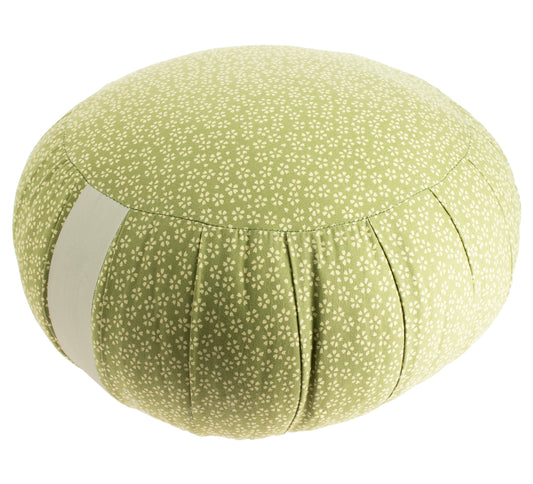
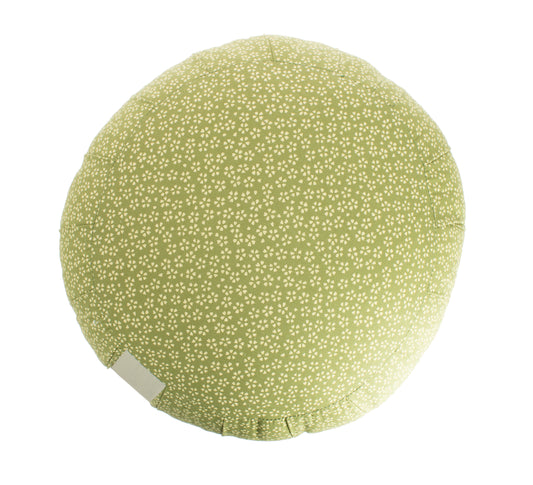
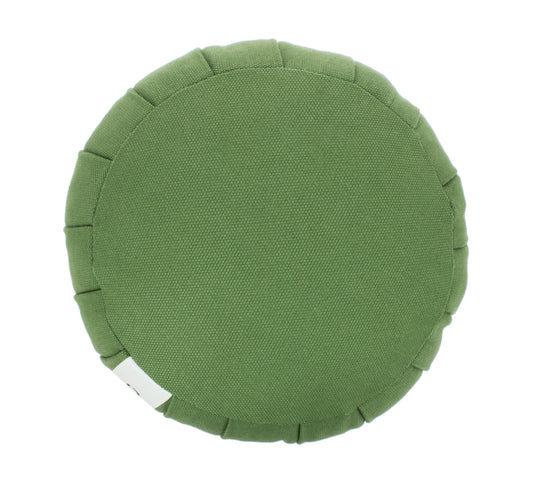
The zafu is the traditional meditation cushion, recognised for its round shape and its ability to elevate the hips, facilitating a straight and stable spine.
Its height and firmness help maintain seated postures such as lotus, half-lotus, or the Burmese position (legs crossed with knees resting on the floor). This stability is especially valuable in long or deep sessions.
Ergonomic and varied shape cushions
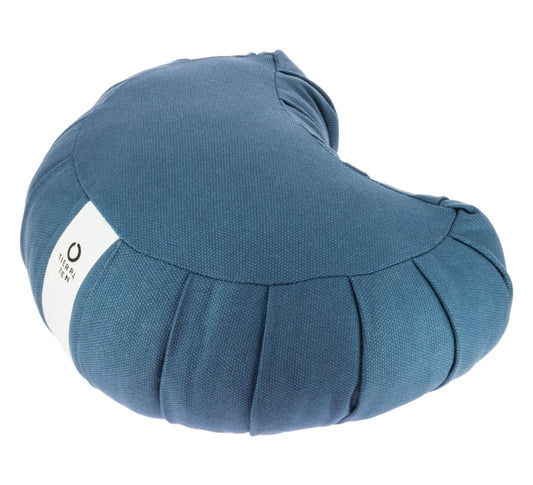
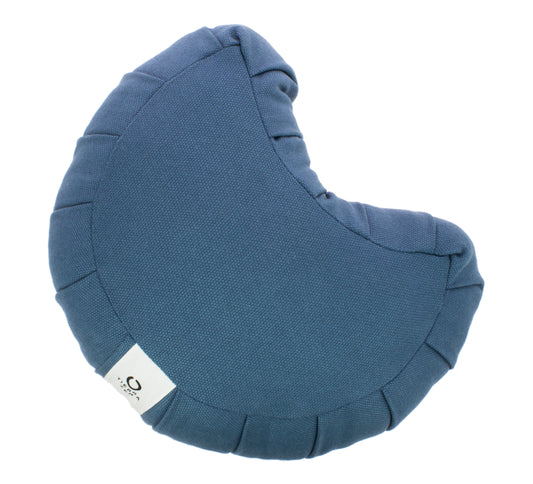
In addition to classic zafus, there are cushions with adapted shapes (crescent or kidney) that better fit your body or personal preferences. Some models distribute pressure differently, which can be more comfortable if you have limited flexibility in your hips or back.
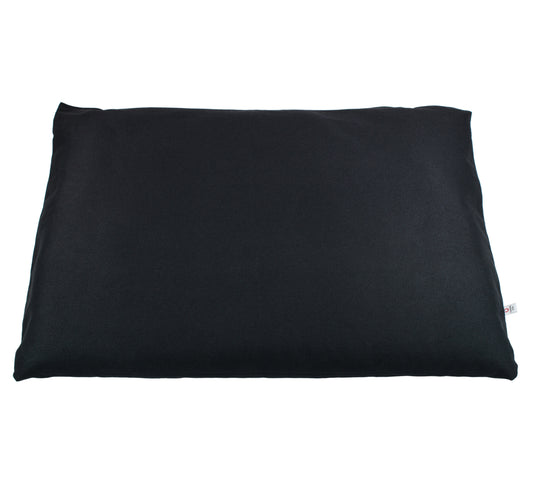
Zabuton — Padded base for extra comfort
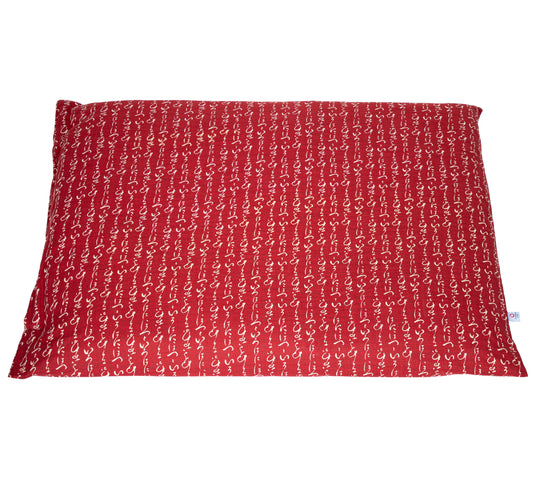
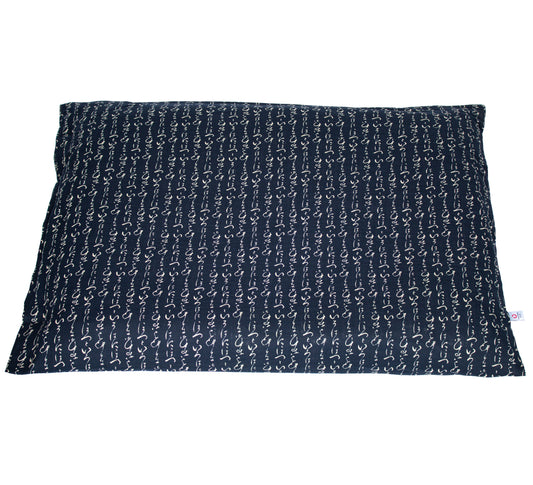
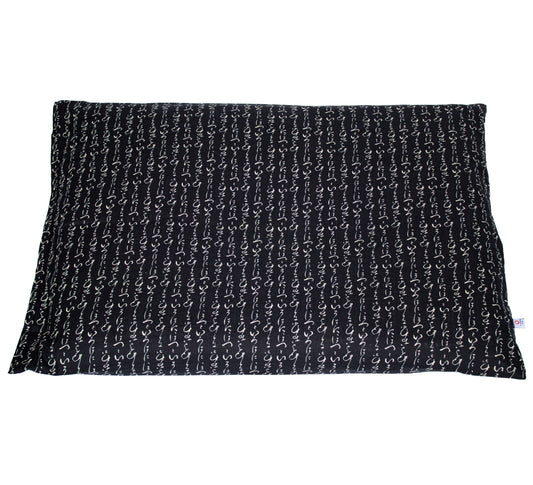
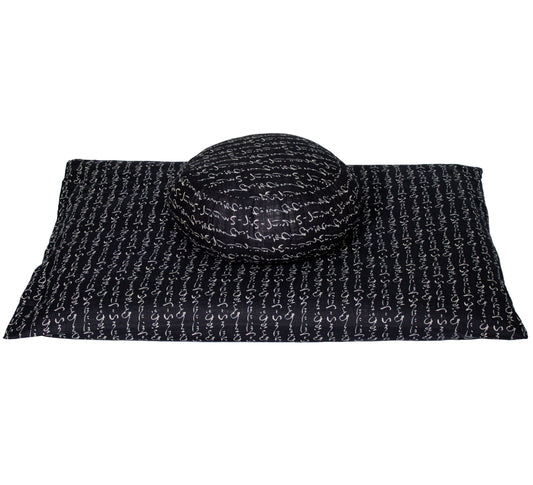
The zabuton is a padded mat usually placed under the zafu to offer additional cushioning for the knees and ankles, protecting them from the hard floor and contributing to a more comfortable meditation experience.
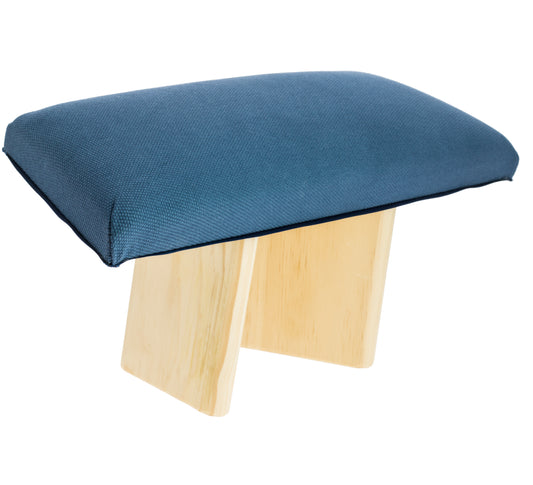
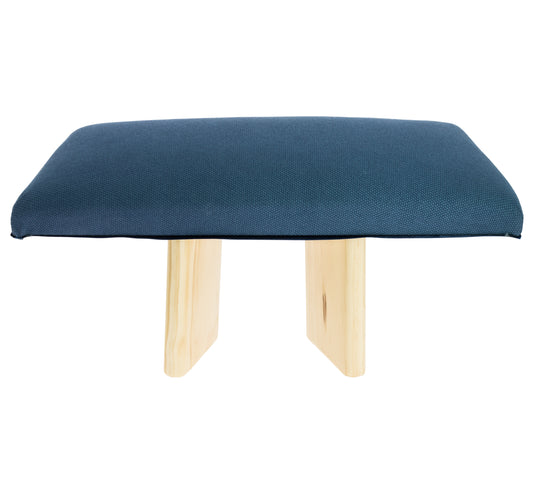
Meditation benches — Stable support for the seiza posture
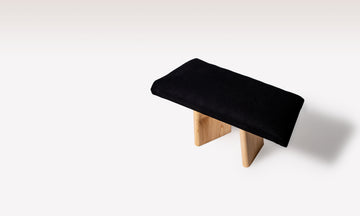
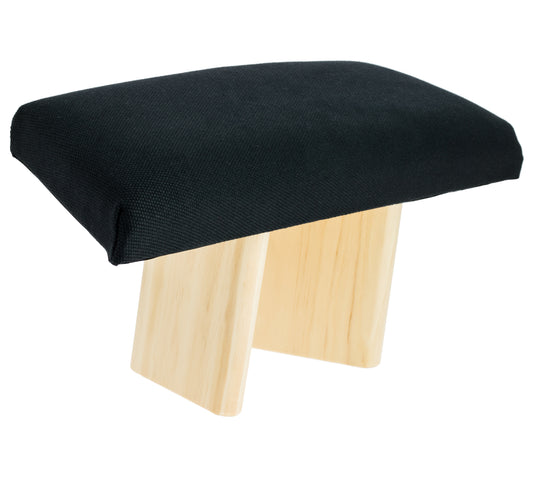
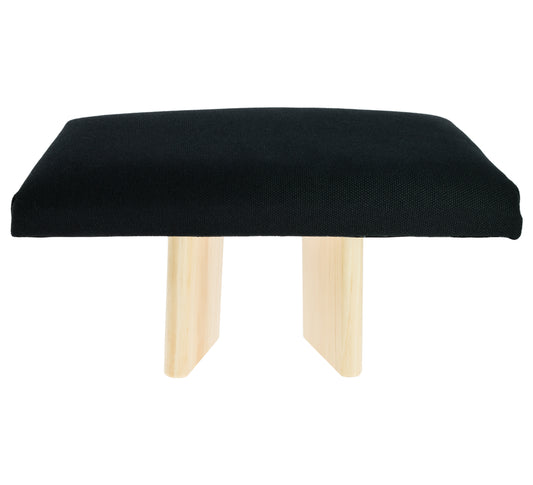
Meditation benches are an ideal alternative for those who do not feel comfortable with crossed legs or seek to relieve the pressure generated by the twisting of knees and ankles. Their tilted design helps maintain an upright and stable spine, allowing the pelvis to tilt naturally and the breath to flow effortlessly.
They are especially useful if you have limited hip flexibility, if you tire quickly when sitting on the floor, or if you practice styles where the seiza posture is common.
Tips for choosing the right cushion
- Height and firmness: If your hips are below your knees when sitting, you should choose a higher or firmer cushion to facilitate pelvic opening and keep the spine aligned.
- Materials: If the traditional zafu is too high or hard for you, choose one made of Japanese fabric, which is softer to the touch and more pliable.
- Daily comfort: If you meditate every day, select cushions with durable covers. If you have limited flexibility, consider a bench.