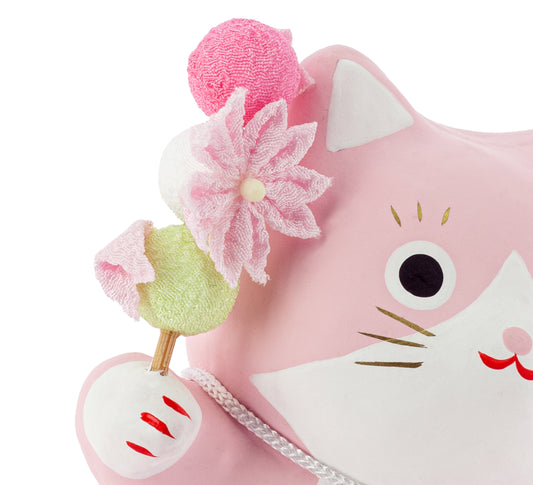
A Guide to Choosing and Understanding Your Maneki Neko
The Maneki Neko, known worldwide as the "beckoning cat" or "lucky cat", is a traditional Japanese figure that symbolises good luck, prosperity, and well-being. Its raised paw is the Japanese gesture for inviting someone to enter. It represents a call to good fortune and creates a welcoming atmosphere wherever it is placed.
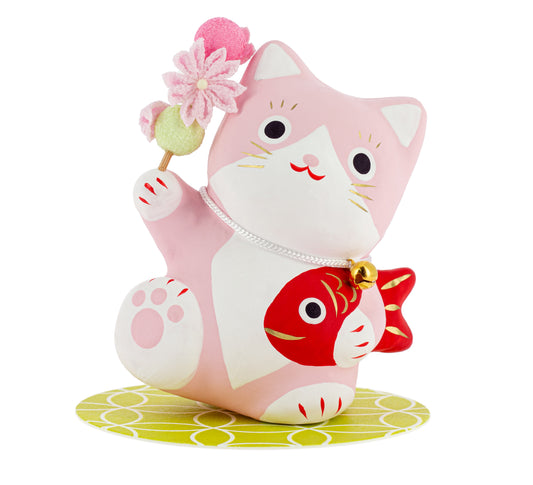
In this collection, you will find a selection of Maneki Neko in various sizes, colours, and designs, intended to suit different intentions and spaces—whether for homes, businesses, or workspaces.
Origin and Symbolism of the Maneki Neko
The Maneki Neko has its roots in Edo-period Japan (17th–19th centuries). Its image became popular in temples, shops, and homes as an amulet that invites good fortune and protects against bad luck. Over time, it has become a culturally recognised symbol in many parts of the world.
The raised paw represents different things according to tradition:
- Right paw raised: Associated with attracting money, customers, or economic prosperity.
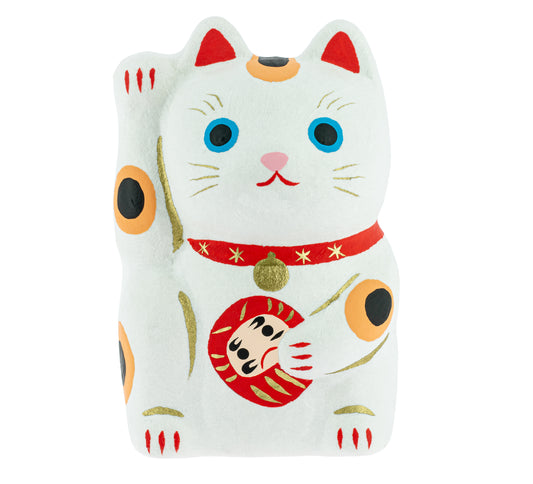
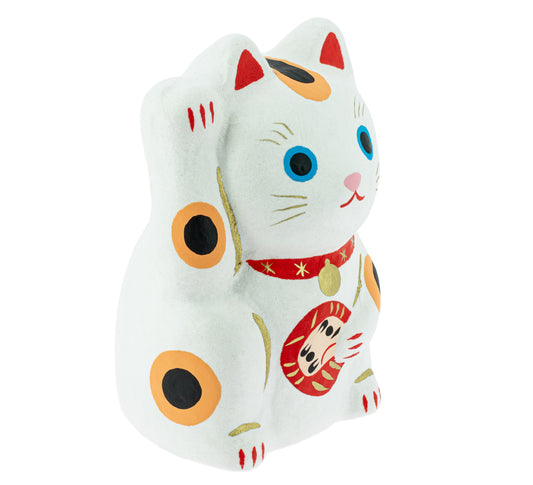
- Left paw raised: Linked to attracting people, relationships, or good company.
- Both paws raised: A balance between prosperity and favourable relationships.
What the colours of the Maneki Neko mean
Each colour of the Maneki Neko carries a particular symbolism that complements its primary intention:
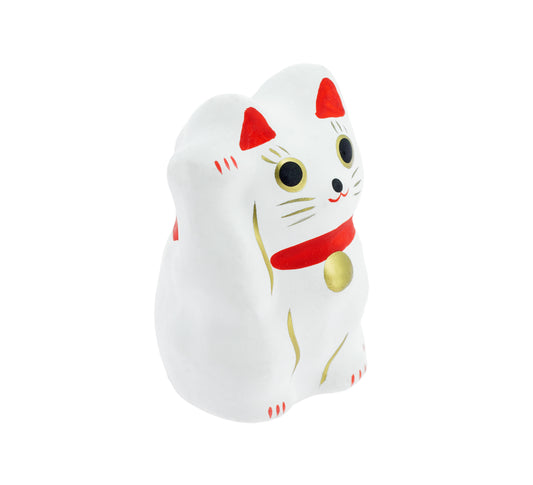
- White: Purity, calm, and happiness.
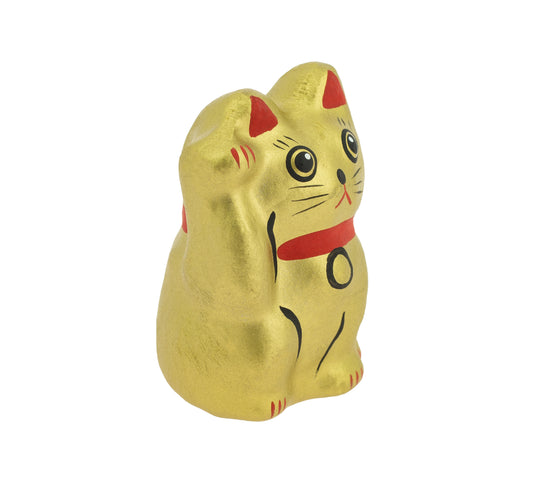
- Gold: Economic prosperity and material success.
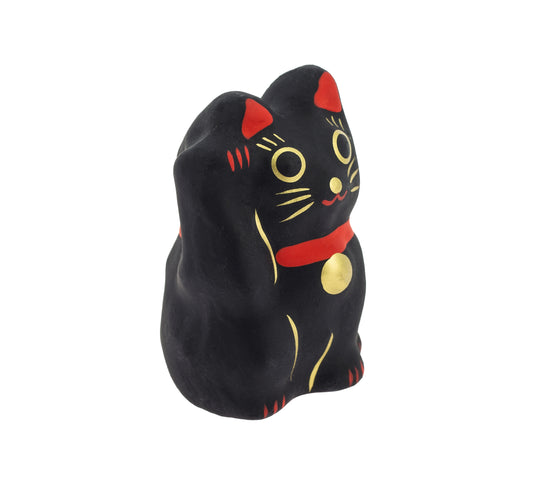
- Black: Protection and warding off negative energies.
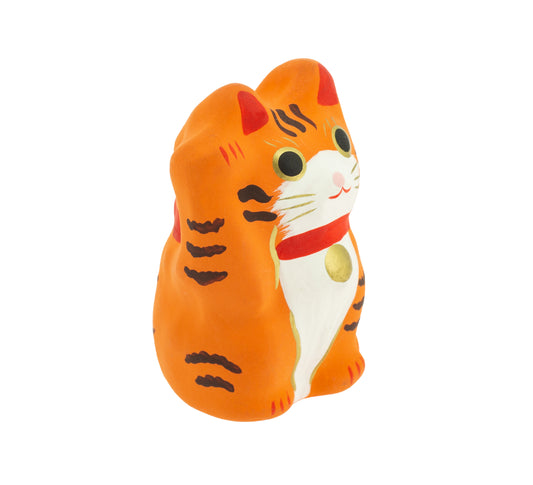
- Orange: Success.
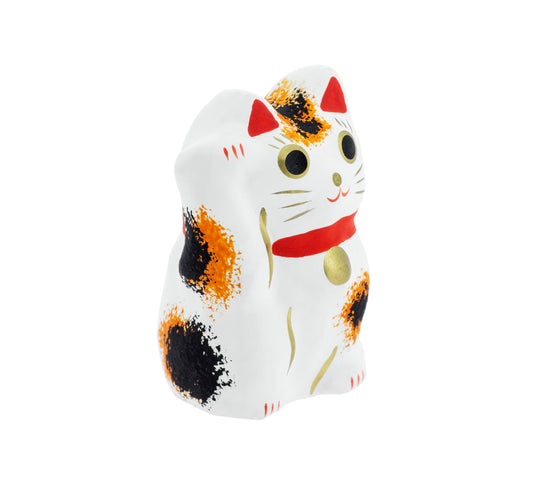
- Multicolour: General good luck.
Choose the colour that best resonates with your goals or the type of energy you wish to invite into your space.
Where to place your Maneki Neko
- In businesses: In Japan, they are often seen at the entrance of shops or near the counter to attract customers and good fortune.
- In your workspace: On the desk, to attract prosperity and focus on your projects.
- In your home: You can place it in the hallway, in your study, or anywhere you wish to decorate!
Placing it in a visible spot helps its symbolism integrate into your daily routine and supports you in your objectives.