A Guide to Choosing Your Meditation Bench
Meditation benches transform the way you sit and stay present: they provide a stable posture, relieve tension in joints, and support your focus with comfort during your practice.
Ideal for both beginners and those who have been exploring mindfulness for a long time, these benches offer firm and ergonomic support that respects the body’s anatomy without forcing any posture.
Why Choose a Meditation Bench?
Sitting on the floor cross-legged can be uncomfortable or even painful for many people, especially without prior warming up or flexibility. A bench changes this dynamic by:
- Eliminating torsion in the knees and ankles, allowing the pelvis and spine to settle into a natural, upright position.
- Helping to keep the back straight effortlessly, promoting deeper breathing and more stable focus.
- Facilitating longer and continuous sessions, thanks to a firm and comfortable base that minimises muscle tension.
With its solid construction and body-hugging shape, the bench ensures that meditation stops feeling like a "physical effort."
How to Use a Meditation Bench
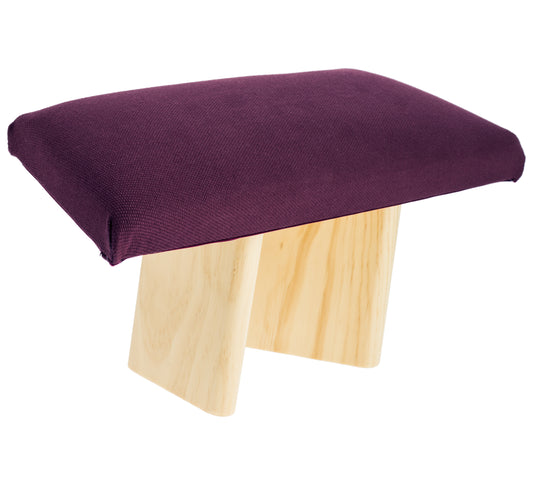
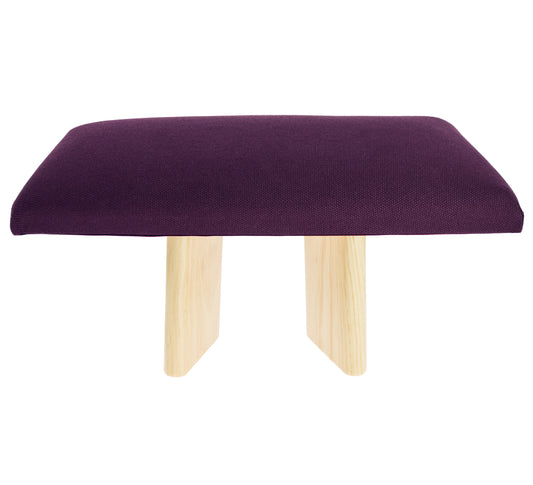
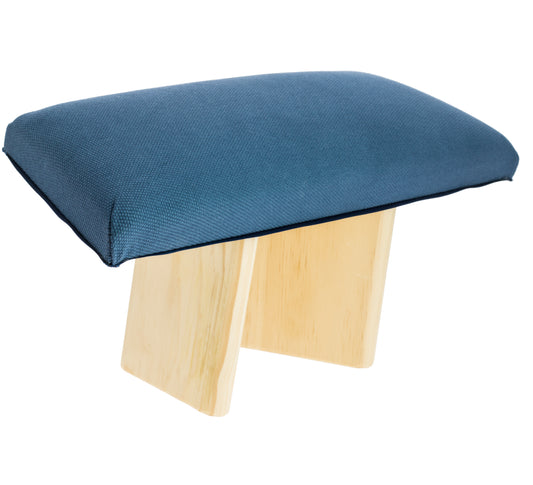
The bench is designed for the seiza posture: sitting on the bench with your legs tucked back. In this position, the slight tilt of the seat encourages the pelvis to open and naturally aligns the spine.
Some meditators combine the bench with a small cushion if they require extra elevation.
Materials, Design, and Durability
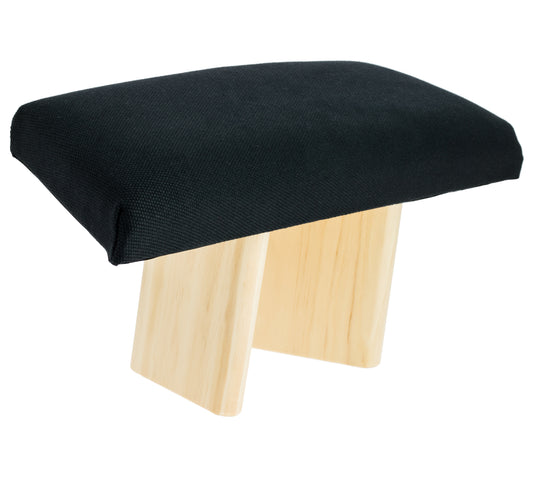
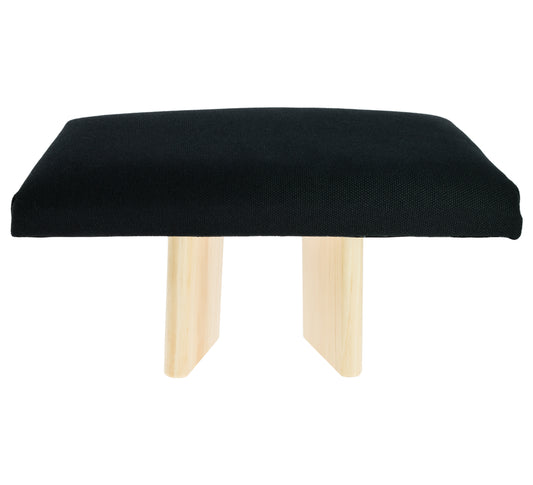
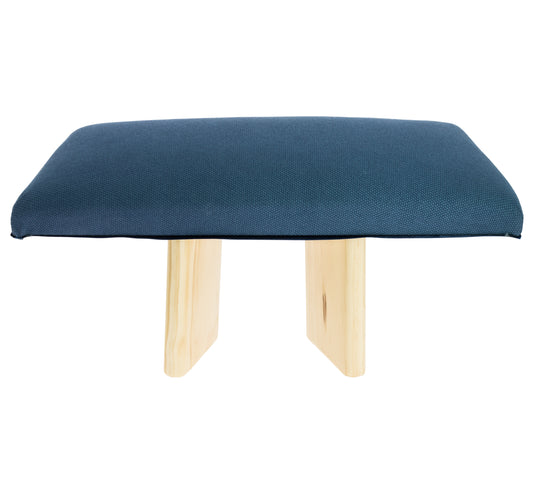
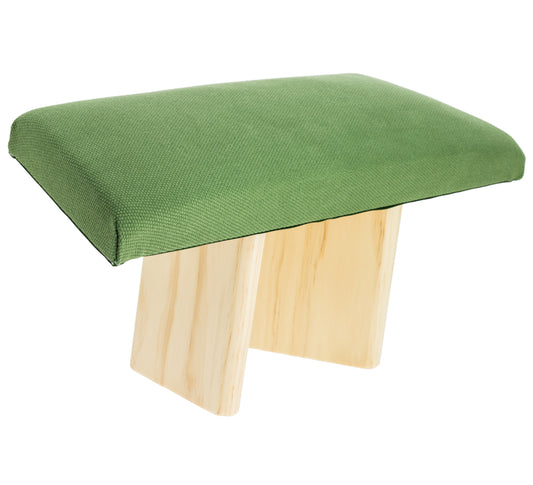
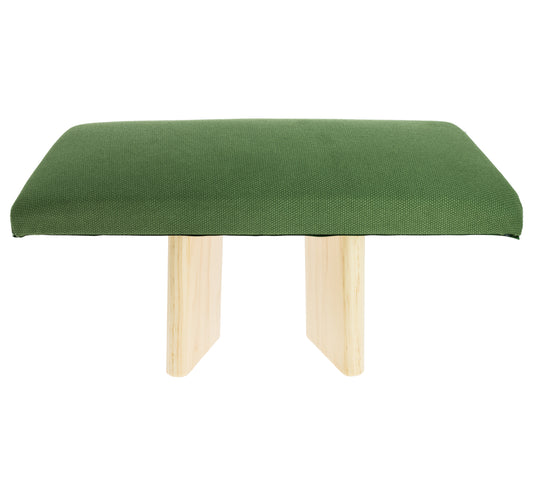
Tierra Zen meditation benches are crafted from wood to ensure a stable and durable base. Their ergonomic shape opens the hara area, which is so vital in meditation. They feature rounded edges and a thick double padding with materials of different densities to make your practice much more comfortable.
Integrating the Meditation Bench into Your Daily Practice
A bench can accompany you in:
- Your daily sit.
- Silent retreats or intensives.
- Conscious breathing or mindfulness practices.
- Spaces for reading, contemplation, or rest.
Placing your bench in the same spot every day helps create a routine that the mind identifies as "mindful time," consolidating your consistency over time.