
Complete guide to choosing your ideal incense holder
More than a simple support, the incense burner (or censer) is the altar where the alchemy of aroma takes place. It is the indispensable accessory to enjoy your fragrances safely and cleanly, while acting as a centerpiece in your home décor.
In our online store, you will find a curated selection ranging from oriental tradition to modern functionality. Whether you are looking for a minimalist Japanese incense holder or a robust support for energy cleansings, here we help you find your perfect companion.
Types of Incense Burners by Material and Use
The choice of material is not just aesthetic; it influences how heat dissipates and the type of incense you can burn:
- Cast Iron Incense Burner (Japanese Style): Robust, heavy, and eternal. Discover our collection of Iwachu censers, hand-forged in Morioka. They are ideal for incense sticks and cones thanks to their stability.
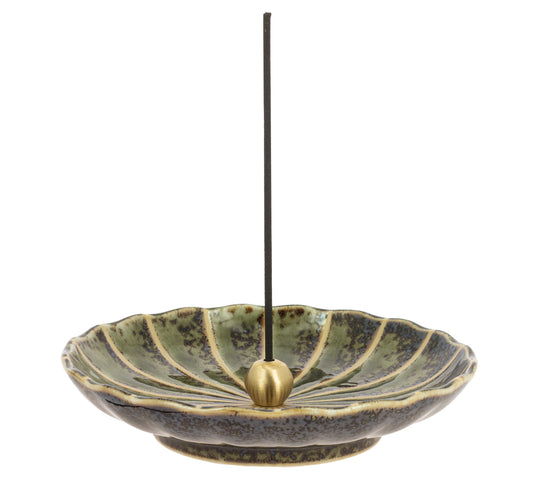
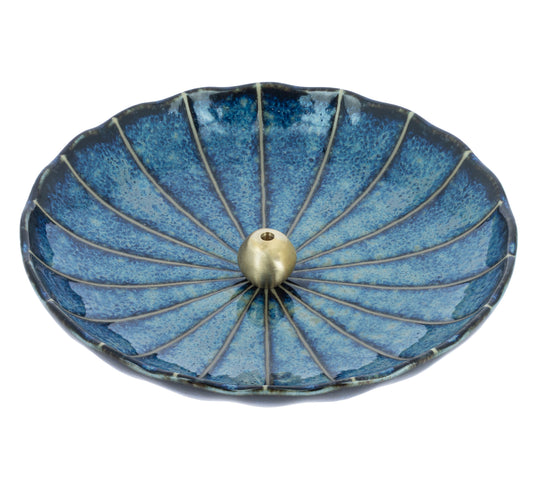
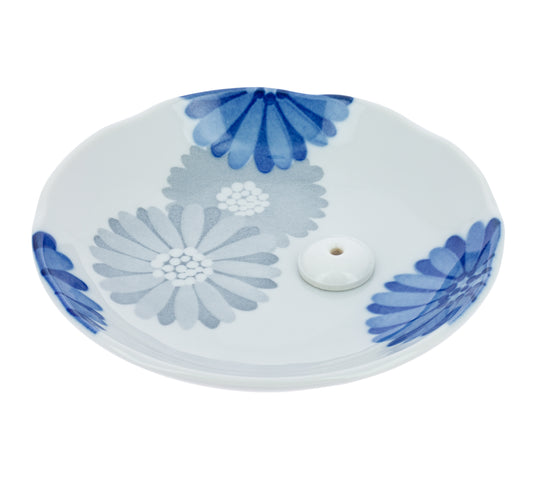
- Ceramic and Wood (Daily Use): If you seek functionality and design, explore our basic incense stick holders. From the delicacy of Yukari ceramics to wooden incense burner boxes, perfect for burning Indian incense without making a mess.
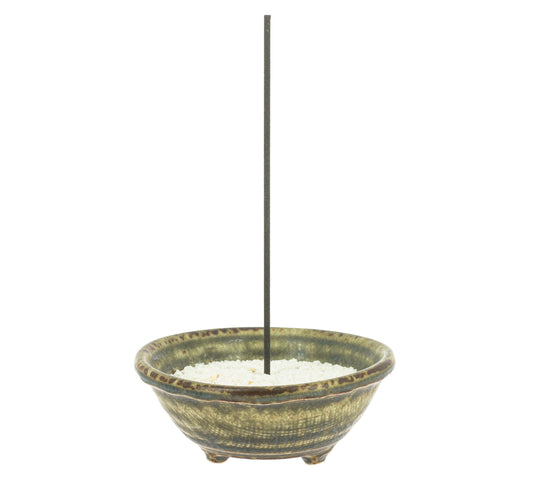
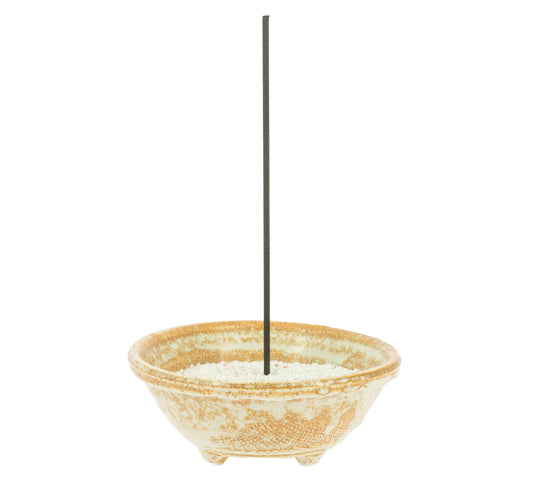
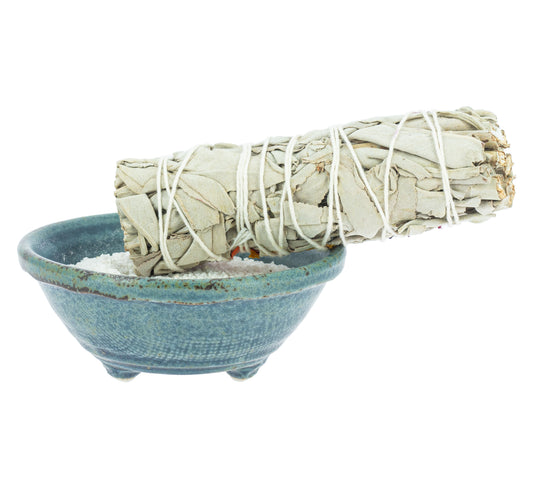
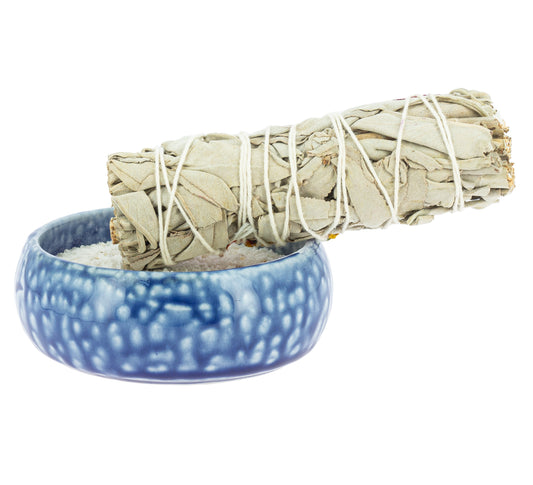
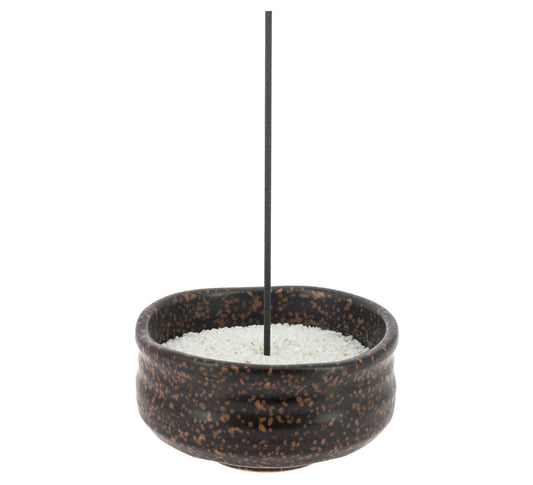
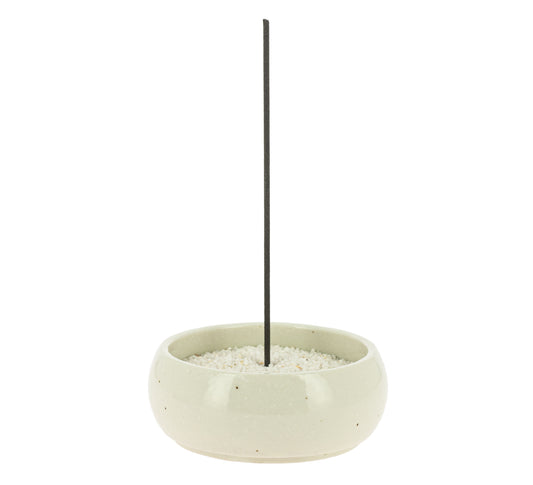
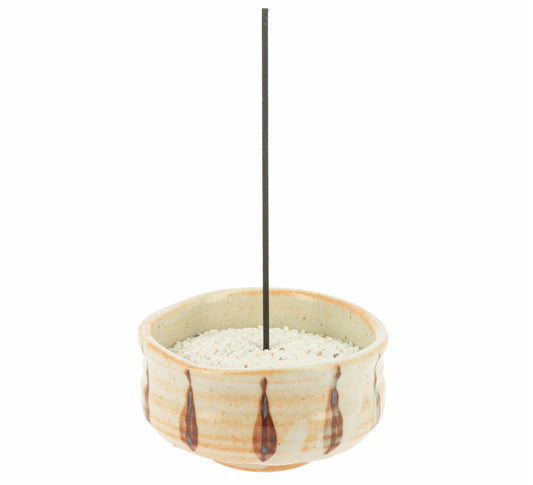
- Ritual Incense Bowls (Palo Santo and Resins): For deep cleansings, you need recipients that withstand high temperatures. In our Cult section, you will find incense bowls to fill with marble dust or rice ash, the traditional support for sticking rods, using as a Palo Santo burner, or placing charcoal incense burners.
Incense Holders FAQ
What incense holder do I need for Japanese sticks?
Japanese incense (like Morning Star or Ka-fuh) has no bamboo core; it is entirely incense. Therefore, you need a holder with a smaller hole than the standard Indian one, or an incense bowl with marble dust to delicately stick the rod so it consumes entirely without leaving residue.
Do you have burners for Palo Santo?
Yes. To burn the sacred wood (Bursera Graveolens), we recommend using our ceramic incense bowls. As they are open and heat-resistant containers, you can place the burning stick on a base of sand or ash with total safety. This serves perfectly as a Palo Santo holder or burner.
What is the incense support called? (Synonyms)
The most technical term is censer, but it is commonly called incense burner or incense holder if it is for sticks. It can also be referred to as a smudge bowl (for resins/bundles) or brazier (classic term).
How to clean an incense burner?
It depends on the material. Ceramic incense holders (enameled) can be washed with warm water and neutral soap. For cast iron incense burners (Iwachu), avoid water to prevent rust; clean them with a dry cloth. If you use wooden incense holders, shake off the ash and wipe with a soft cloth.
Is it safe to leave an incense burner on all night?
No. Although incense consumes itself, you must never leave a heat source unattended, especially if there are drafts, children, or pets. Ensure that the ash always falls inside the incense ash catcher or onto a fireproof surface.