

-
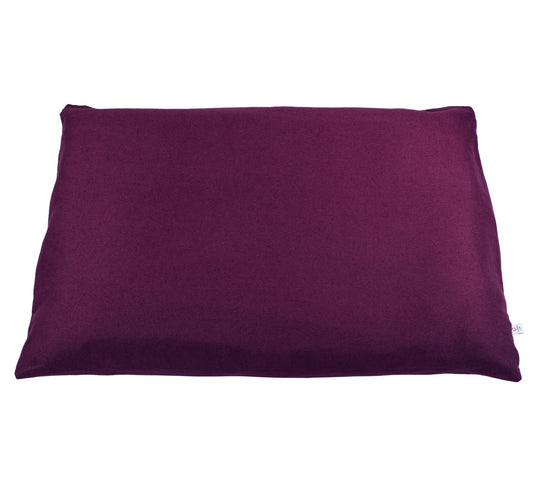
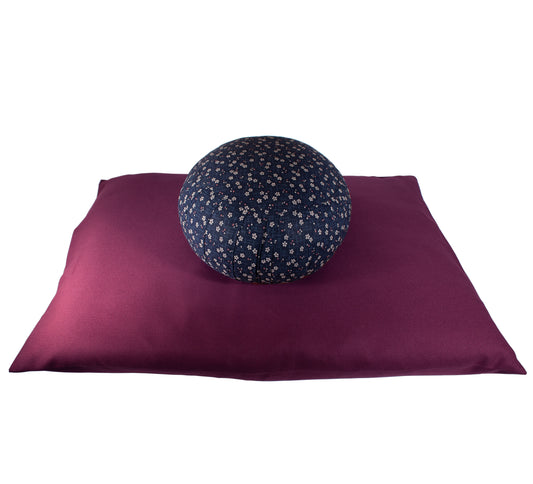
Zabuton Pourpre
Prix habituel 69,00 €Prix habituelPrix unitaire par69,00 €Prix promotionnel 69,00 € -
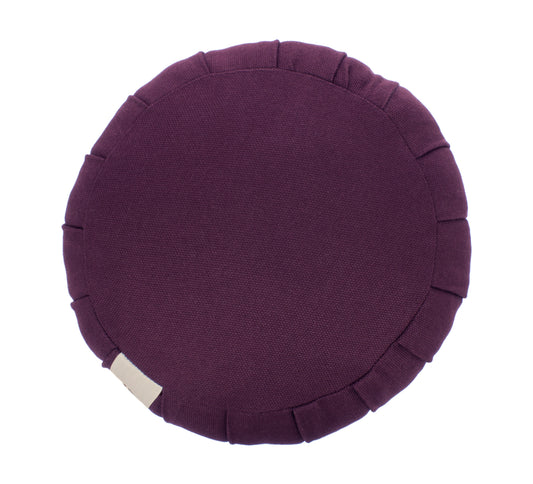
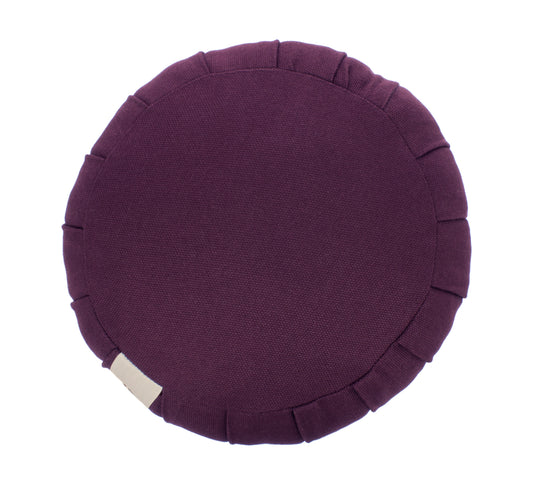
Zafu Rond de Kapok Pourpre
Prix habituel 59,00 €Prix habituelPrix unitaire par59,00 €Prix promotionnel 59,00 € -
Grand Zafu Rond de Kapok Pourpre
Prix habituel 69,00 €Prix habituelPrix unitaire par69,00 €Prix promotionnel 69,00 € -
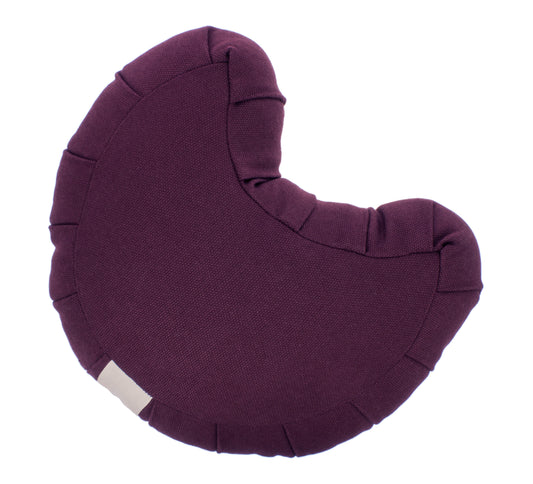
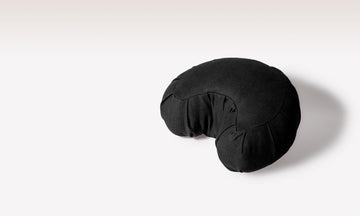
Zafu Demi-lune de Kapok Pourpre
Prix habituel 59,00 €Prix habituelPrix unitaire par59,00 €Prix promotionnel 59,00 € -
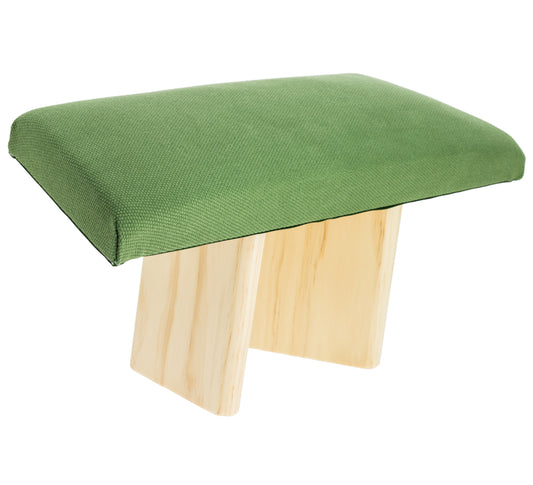
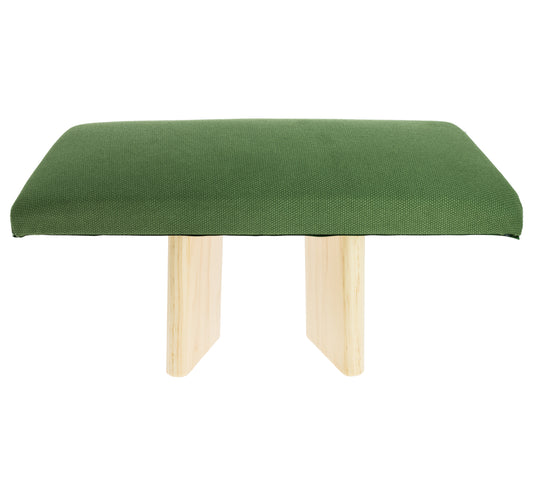
Banc de Méditation Rembourré Vert Olive
Prix habituel 68,00 €Prix habituelPrix unitaire par68,00 €Prix promotionnel 68,00 €Épuisé -
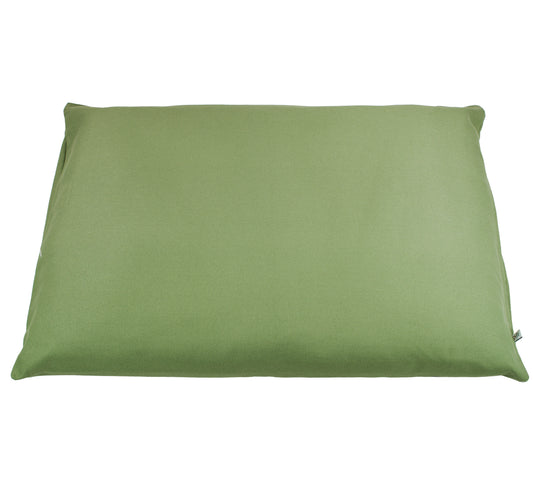
Zabuton Vert Olive
Prix habituel 69,00 €Prix habituelPrix unitaire par69,00 €Prix promotionnel 69,00 € -
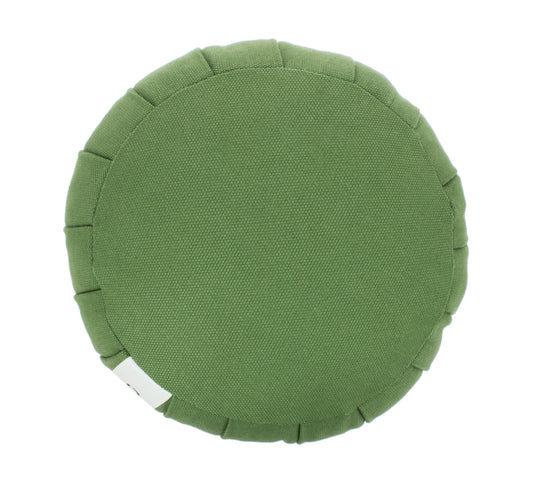
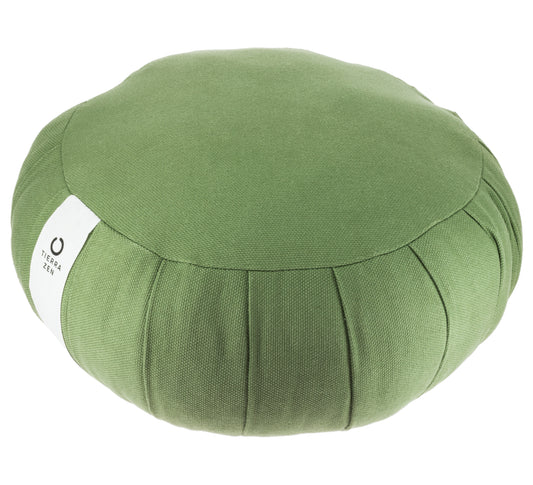
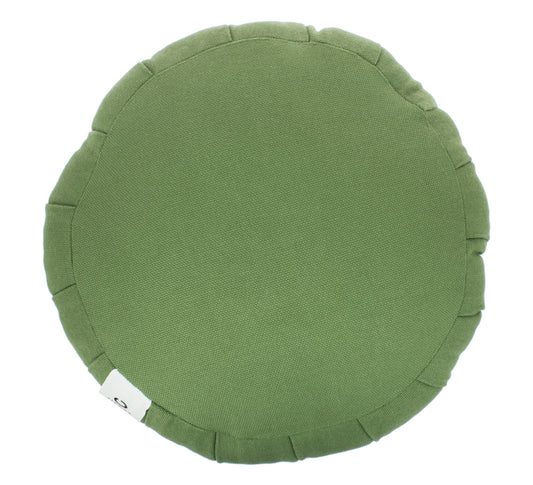
Zafu Rond de Kapok Vert Olive
Prix habituel 59,00 €Prix habituelPrix unitaire par59,00 €Prix promotionnel 59,00 € -
Grand Zafu Rond de Kapok Vert Olive
Prix habituel 69,00 €Prix habituelPrix unitaire par69,00 €Prix promotionnel 69,00 € -
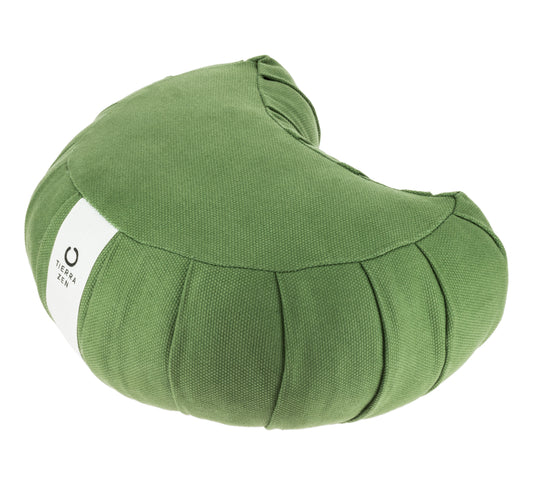
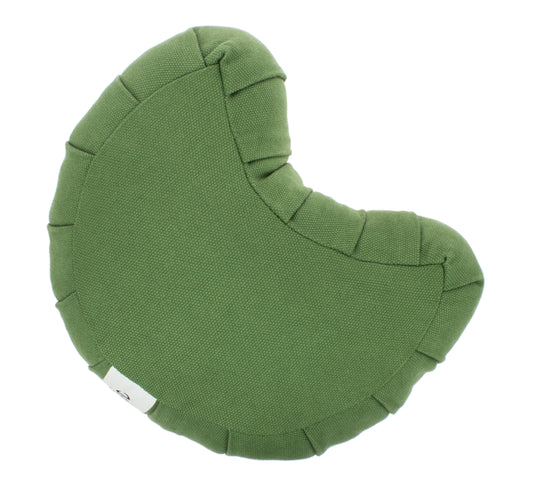
Zafu Demi-lune de Kapok Vert Olive
Prix habituel 59,00 €Prix habituelPrix unitaire par59,00 €Prix promotionnel 59,00 € -
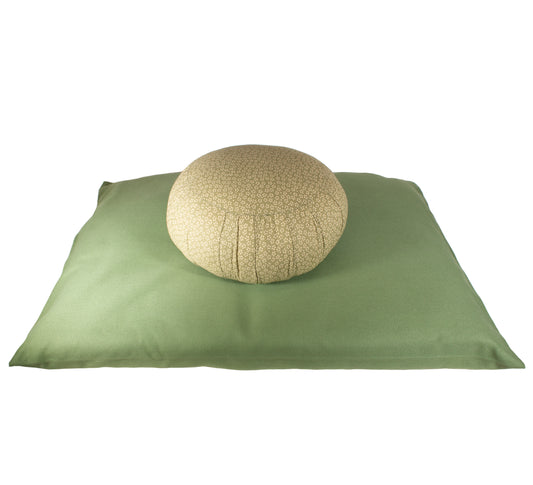
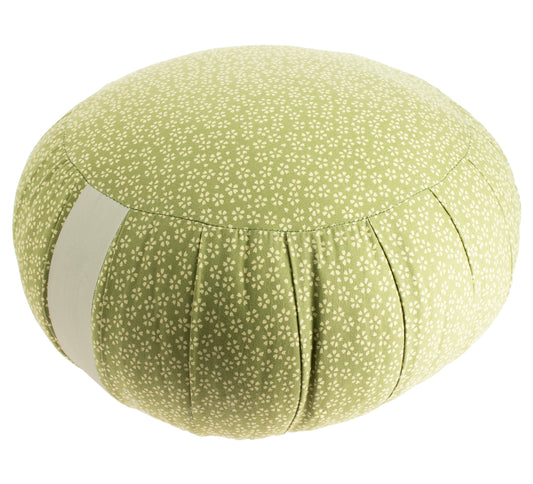
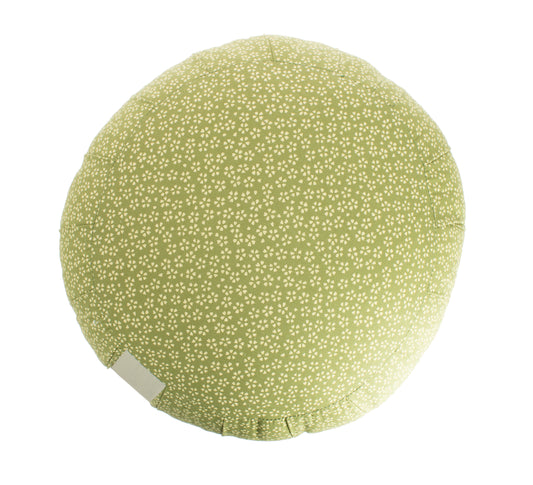
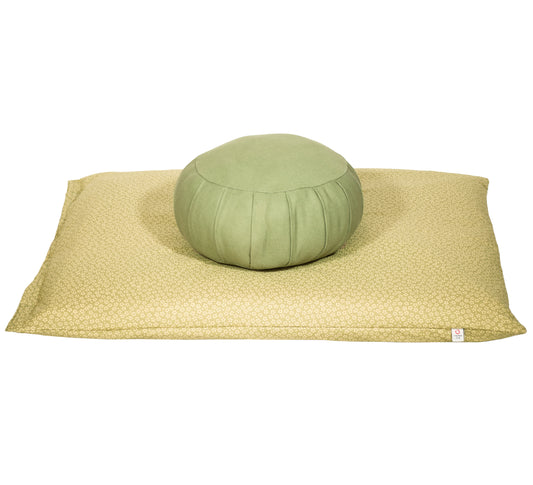
Zafu Rond de Kapok Sakura Vert
Prix habituel 68,00 €Prix habituelPrix unitaire par68,00 €Prix promotionnel 68,00 € -
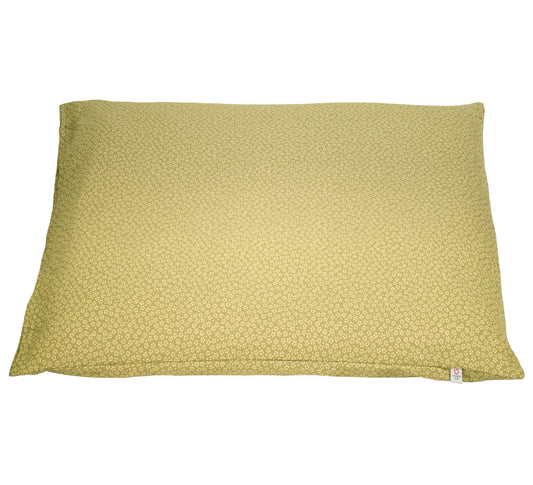
Zabuton Sakura Vert
Prix habituel 69,00 €Prix habituelPrix unitaire par69,00 €Prix promotionnel 69,00 € -
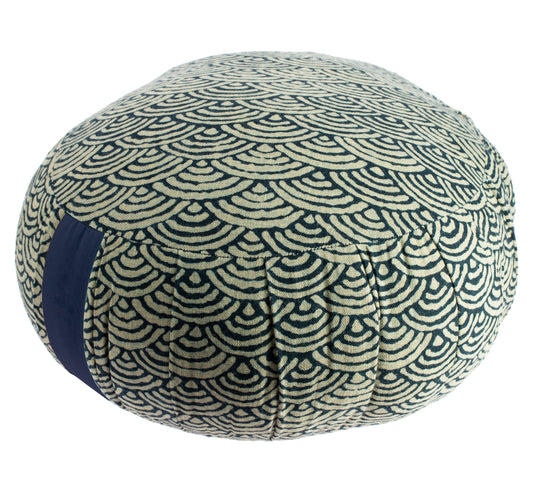
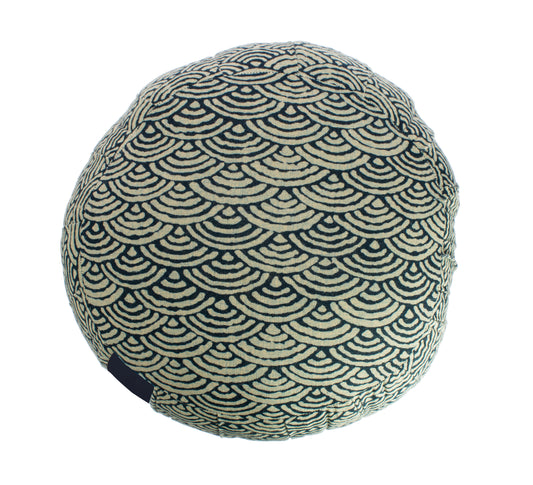
Zafu Rond de Kapok Seigaiha Bleu
Prix habituel 68,00 €Prix habituelPrix unitaire par68,00 €Prix promotionnel 68,00 € -
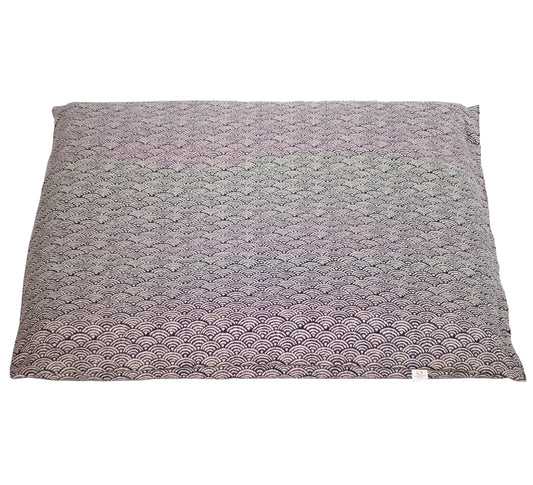
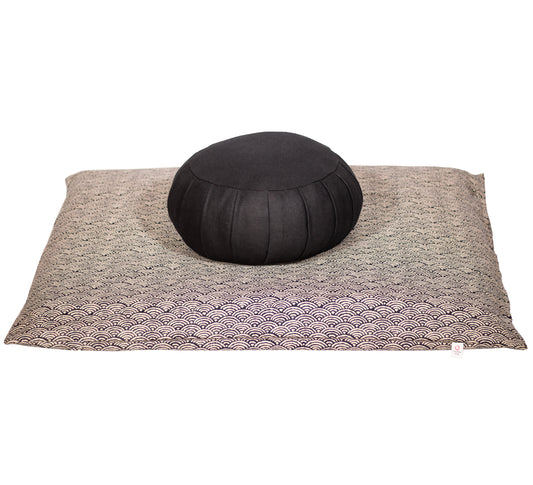
Zabuton Seigaiha Bleu
Prix habituel 69,00 €Prix habituelPrix unitaire par69,00 €Prix promotionnel 69,00 € -
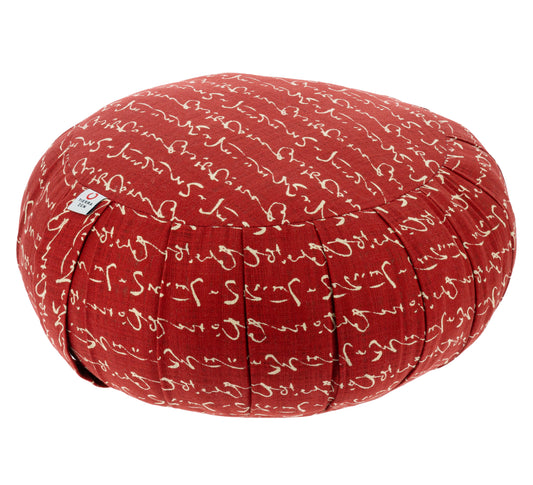
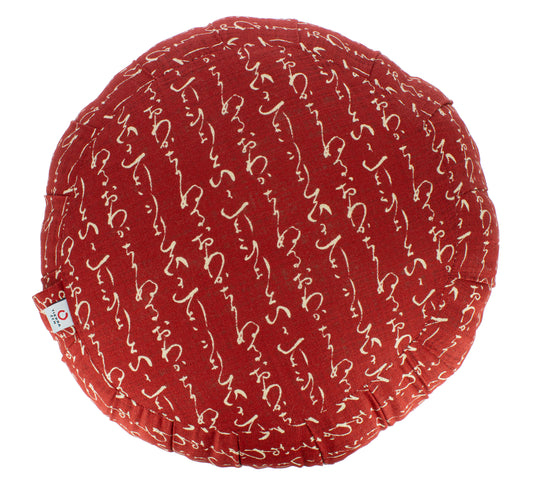
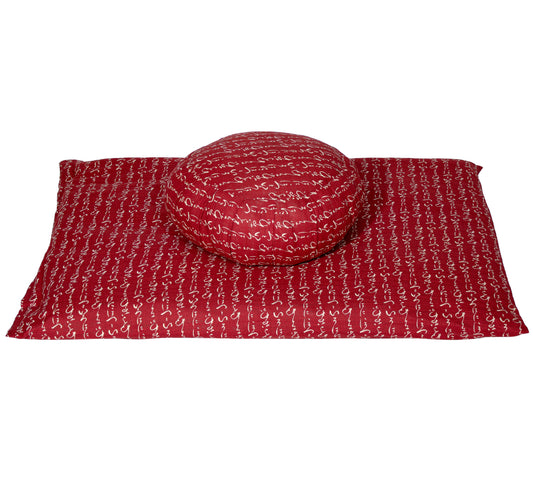
Zafu Rond de Kapok Hiragana Grenat
Prix habituel 68,00 €Prix habituelPrix unitaire par68,00 €Prix promotionnel 68,00 € -
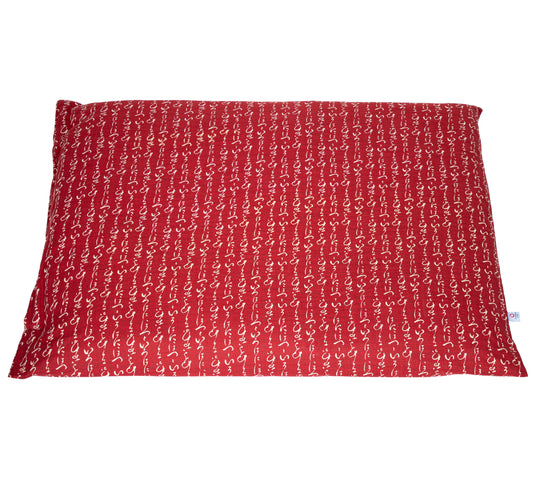
Zabuton Hiragana Grenat
Prix habituel 69,00 €Prix habituelPrix unitaire par69,00 €Prix promotionnel 69,00 € -
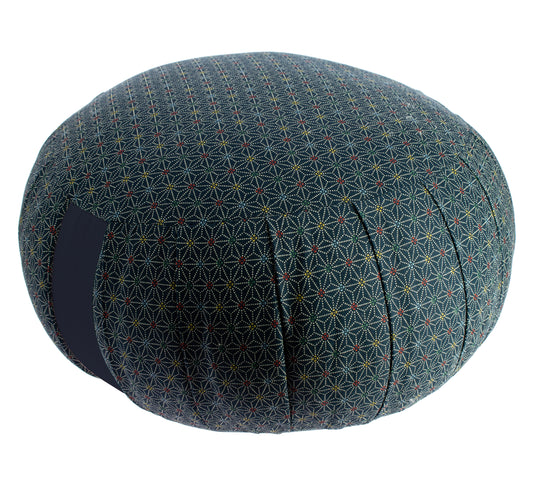
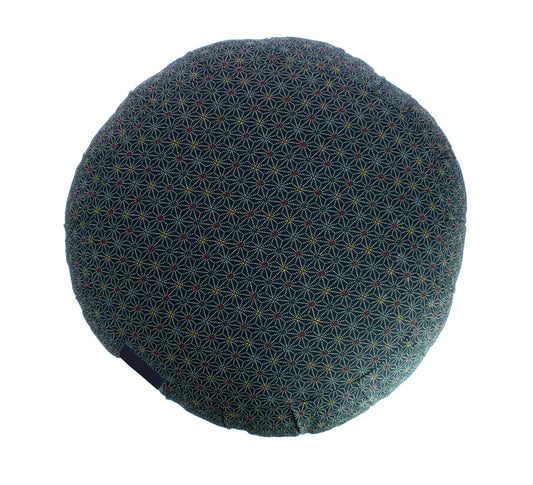
Zafu Rond de Kapok Asanoha Bleu
Prix habituel 68,00 €Prix habituelPrix unitaire par68,00 €Prix promotionnel 68,00 €
Votre panier est vide
Continuer les achatsVous possédez un compte ?
Connectez-vous pour payer plus vite.